Make-ahead waffle guide
Can You Make Waffles Ahead of Time?
Yes—but “make waffles ahead†can mean three different things: prepare the batter the night before, cook waffles shortly before serving, or cook them completely for another day. The best method depends on your timing. For the next morning, an overnight recipe is the cleanest option; for a brunch crowd, cooking ahead and reheating can be easier than managing the waffle iron while guests wait.
By Waffle Kitchen Editorial Team · Published August 3, 2026
Quick answer
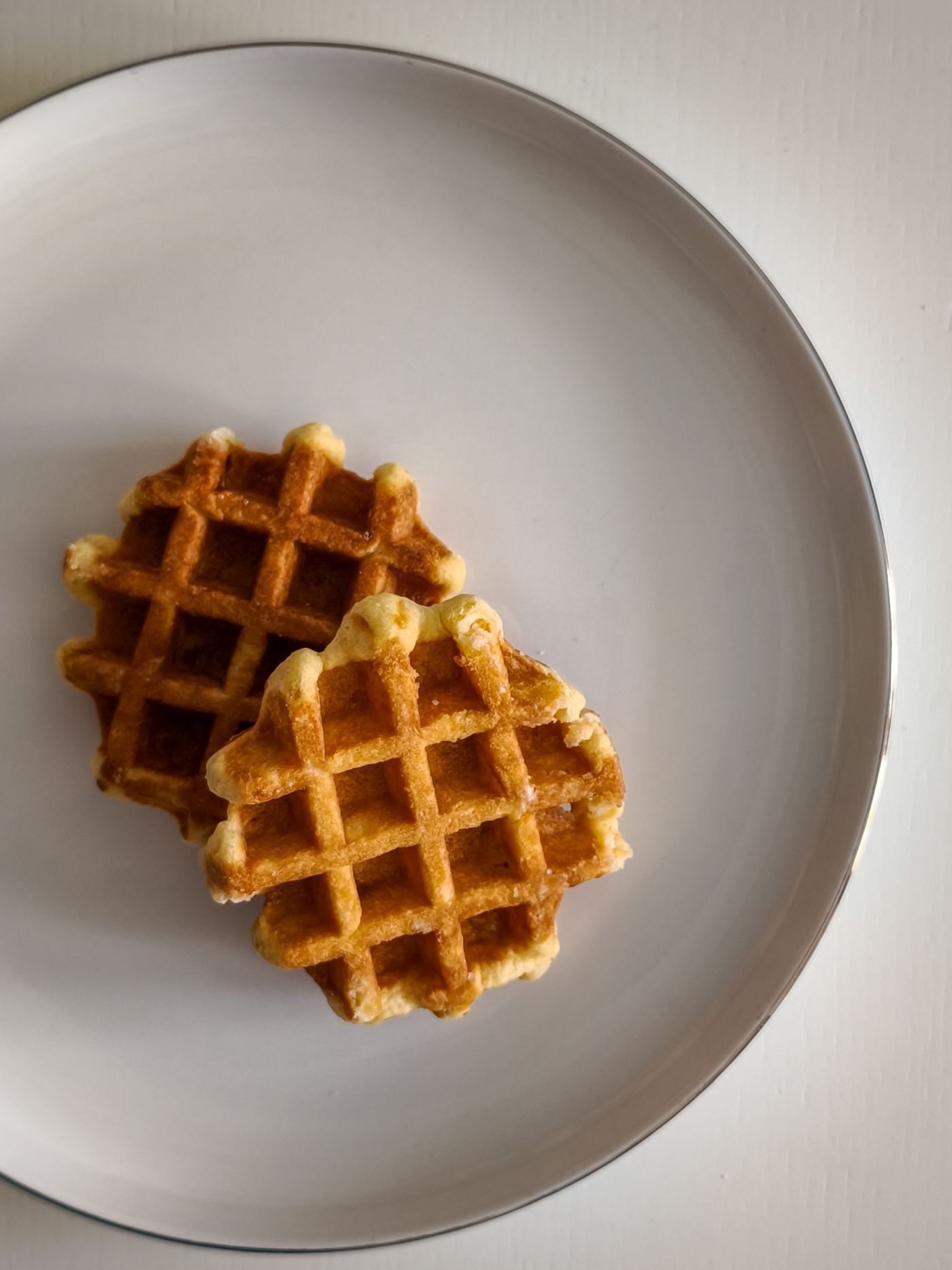
If you need waffles tomorrow morning, use a recipe that is specifically designed for an overnight rest—or cook the waffles fully and reheat them. Ina Garten's Overnight Belgian Waffles are built around a night-before batter and also include a make-ahead plan for cooking waffles up to one hour before serving, then reheating them in a 350°F oven. That makes the core decision simple: choose a tested overnight batter when you want fresh-from-the-iron waffles, or cook ahead when you want the least work at serving time.
Choose the Make-Ahead Method Based on Your Timeline
The biggest mistake is treating all make-ahead situations as the same. The ideal plan for waffles needed in 45 minutes is not the same as the plan for waffles needed the next day.
| Your situation | Best strategy | Why |
|---|---|---|
| You want fresh waffles tomorrow morning | Use an overnight waffle recipe | The batter is designed to rest before cooking |
| You need breakfast ready with almost no morning prep | Cook waffles ahead and reheat | No mixing or waffle-iron queue at serving time |
| You are serving a group within about an hour | Cook in batches, hold briefly, then reheat | Everyone can eat together instead of waiting for individual waffles |
| You are meal-prepping for later in the week | Cook first; use your refrigerator/freezer storage plan | Cooked waffles are easier to portion and reheat predictably |
| Your recipe gives no make-ahead instructions | Do not assume the batter can rest overnight unchanged | Leavening systems behave differently over time |
Can You Make Waffle Batter the Night Before?
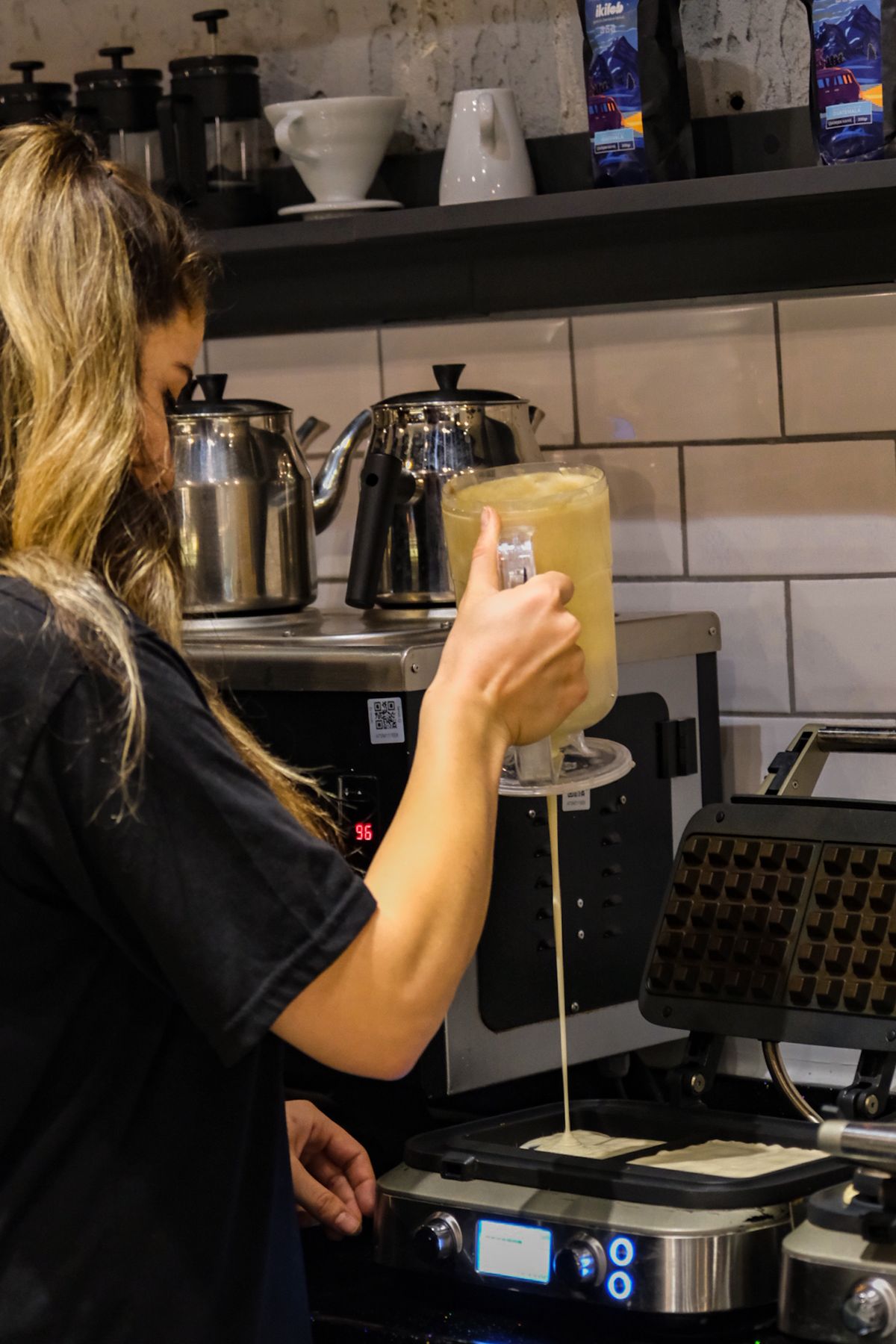
Yes, when the recipe is designed for it. Overnight yeasted waffles are the clearest example. Ina Garten's Food Network recipe mixes yeast, liquid, butter, sweetener, salt and flour the night before, then adds eggs and baking soda the next morning before cooking. The long rest is part of the formula, not an accidental delay.
Woman's Day publishes a similar make-ahead yeasted waffle approach specifically intended to be mixed the night before. Cookie Madness also documents an overnight yeast-based batter. Together, these results show that “overnight waffles†is a real recipe category rather than a generic storage trick.
Can You Cook Waffles Ahead and Reheat Them?
Yes, and this is often the more convenient strategy when serving several people. Food Network's make-ahead plan for Ina Garten's waffles says the cooked waffles can be prepared up to one hour ahead, left on sheet pans at room temperature, and reheated for 10 minutes in a 350°F oven, turning once.
That tested workflow is useful because it separates production from service. Instead of cooking one waffle while everyone else waits, you finish the batch first and restore heat and surface crispness together.
Cook the waffles completely
Do not intentionally undercook them because you plan to reheat later. Start with properly cooked waffles.
Let steam escape
Avoid sealing or tightly stacking hot waffles immediately. Trapped moisture is the enemy of a crisp crust.
Hold only for the time your method supports
For short-term service, follow a tested recipe's holding instructions rather than inventing a long room-temperature window.
Reheat with dry heat
An oven or toaster is better suited to restoring crispness than a method that traps steam.
Best Make-Ahead Waffle Plan for a Crowd
For brunch, holidays or overnight guests, the real problem is often not cooking—it is timing. A single waffle maker creates a queue. If six people are eating, the first waffle can be cooling while the sixth is still in the iron.
The most efficient plan is usually to cook the batch before serving and reheat together. This creates a shared serving time and reduces the need to stand at the waffle maker while everyone else eats.
| Goal | Best workflow | Trade-off |
|---|---|---|
| Maximum fresh-off-iron texture | Overnight batter, cook to order | You remain at the waffle iron |
| Everyone eats together | Cook ahead, reheat together | Slightly less “straight from the iron†experience |
| Minimal morning cleanup | Cook the day before | Requires reheating |
| Large batch | Cook, cool and use a storage/reheating plan | Needs oven/toaster capacity |
How Do You Keep Make-Ahead Waffles Crispy?
The key is moisture management. Waffles continue releasing steam after they leave the iron. If you stack them while hot, that moisture softens neighboring crusts. If you place them flat on a plate, the underside can soften as steam becomes trapped underneath.
Do
Let hot waffles breathe, keep them in a single layer when practical, and use dry heat to reheat.
Avoid
Stacking immediately, sealing hot waffles in a container, or adding syrup long before serving.
Epicurious' crisp-waffle guidance also recommends holding cooked waffles on a wire rack in a warm oven and notes that frozen waffles often re-crisp very well in a toaster. That supports a useful make-ahead principle: crispness can be restored more reliably with dry reheating than by trying to keep a hot waffle perfect indefinitely.
Can You Refrigerate Waffle Batter Overnight?
Sometimes. Martha Stewart's current waffle recipe says its batter can be covered and refrigerated ahead, then whisked gently before use, while noting that cold batter may require extra cooking time. But that instruction belongs to that recipe.
This is why a broad claim like “all waffle batter keeps overnight†is too loose. Yeasted batter, baking-powder batter and recipes with whipped components can behave differently. If your specific recipe provides refrigerator guidance, use it. If it does not, cooking the waffles ahead is the more predictable make-ahead choice.
5 Make-Ahead Waffle Mistakes to Avoid
- Assuming every batter can rest overnight. Use recipe-specific instructions.
- Stacking hot waffles. Steam softens the crust.
- Adding syrup before holding. Wet toppings quickly undo crispness.
- Undercooking because you plan to reheat. Reheating should restore temperature and crispness, not finish raw batter.
- Using the microwave when crispness is the goal. Dry reheating is generally the better texture strategy.
Three Practical Make-Ahead Plans
Plan A: The night-before breakfast
Use a tested overnight waffle batter. Mix the night before according to the recipe, finish any morning additions, preheat the iron and cook fresh.
Plan B: Brunch for several people
Cook the waffles in advance, let steam escape, then reheat the whole batch shortly before serving. Keep syrup and wet toppings separate until the table is ready.
Plan C: Busy weekday mornings
Cook a batch in advance, cool completely and use your preferred refrigerator or freezer storage method. Reheat individual waffles with dry heat as needed.
What This Guide Can and Cannot Tell You
This is a source-based make-ahead guide, not a controlled kitchen test. Exact holding times and overnight-batter behavior depend on the recipe. The strongest recommendation is therefore to choose a method that has actually been written for your timeline rather than extending a batter's storage life by guesswork.
Frequently Asked Questions
Can you make waffles ahead of time?
Yes. Use either a recipe designed for overnight batter or cook the waffles ahead and reheat them. The best method depends on how far in advance you are working.
Can you make waffles the night before?
Yes. Overnight yeasted waffles are specifically designed for this, and fully cooked waffles can also be prepared in advance and reheated the next day.
Can waffle batter be refrigerated overnight?
Some recipes explicitly allow it, while others are built around different leavening behavior. Follow the storage instructions for the specific recipe rather than assuming every batter performs the same way.
How far ahead can I make waffles for a crowd?
For short-term service, some tested recipes support cooking waffles about an hour ahead and reheating before serving. For longer windows, use a refrigerator or freezer storage plan rather than extending room-temperature holding.
How do you reheat waffles without making them soggy?
Use dry heat, such as an oven or toaster, and avoid stacking or sealing waffles while they are still releasing steam.
Can I keep waffles warm while I cook the rest?
Yes, but give them airflow and avoid stacking. A wire rack in a warm oven is a common approach when serving a batch.
Bottom Line
Yes, waffles are very make-ahead friendly—but choose the strategy before you start. Use overnight batter when the recipe is built for it, cook ahead when serving a crowd, and rely on dry reheating when crispness matters. The biggest mistake is forcing one batter or holding method to do a job it was never designed to do.