Waffle cooking guide
How Long to Cook Waffles? Time, Temperature and Doneness by Waffle Maker
Most waffles take about 3–6 minutes in a fully preheated waffle maker, but the timer is only a starting point. A thin classic waffle, a deep Belgian waffle and a mini waffle do not cook at the same rate. Use the iron’s heat setting, the amount of steam and the finished color together.
Quick answer
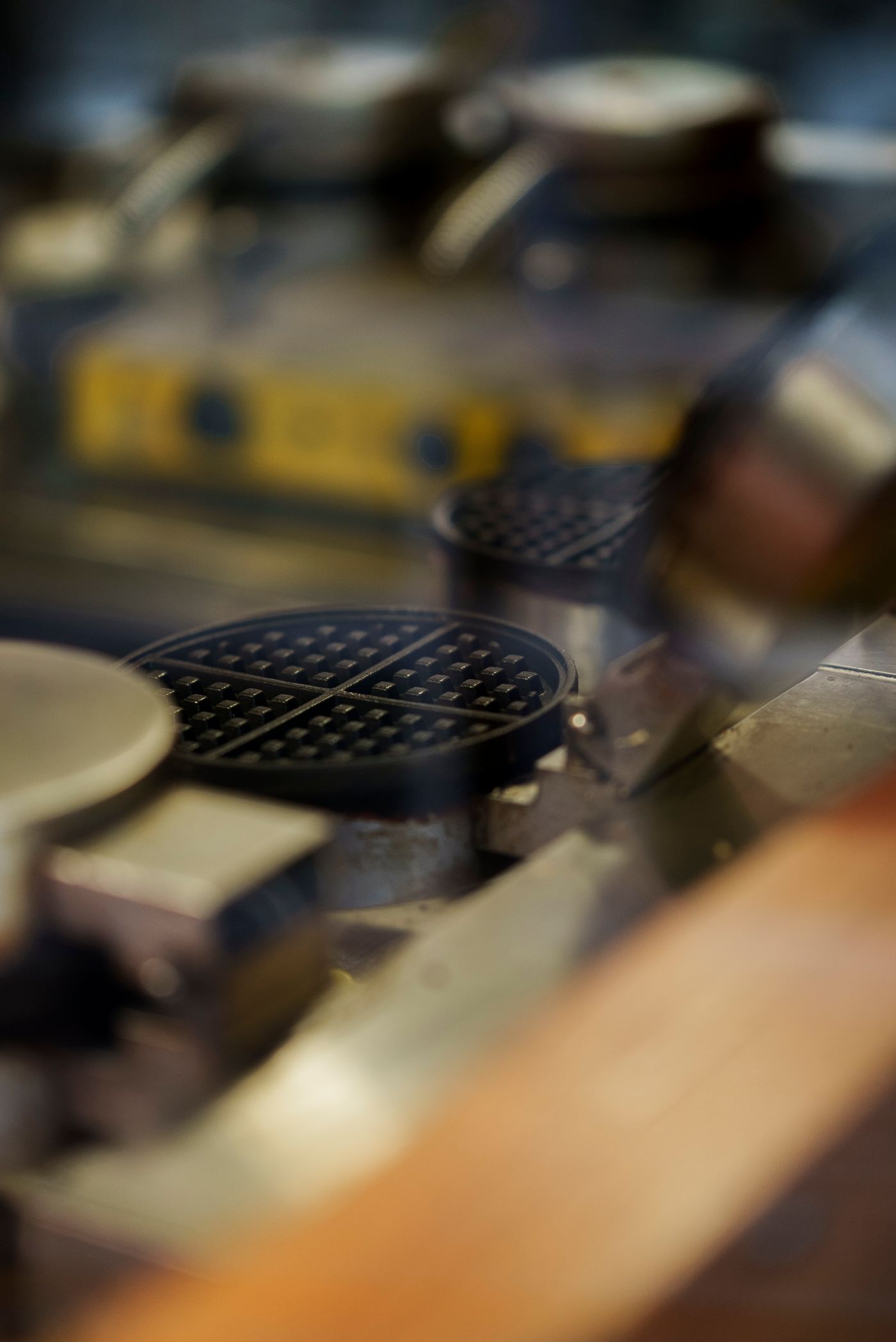
Start with 3–5 minutes for a standard waffle and about 4–6 minutes for a deep Belgian waffle. Fully preheat the machine first. If your waffle maker has a ready light, timer or beep, use it as the primary cue. As a second check, watch the steam: heavy steam means a lot of moisture is still escaping; when it slows substantially, the waffle is usually close to done.
How Long to Cook Waffles by Type
These are practical starting ranges, not guarantees. Iron power, plate thickness, batter temperature and waffle depth can shift the cooking time by a minute or more.
| Waffle type | Starting time | What matters most |
|---|---|---|
| Mini waffle | 2–4 minutes | Small mass cooks quickly; check early |
| Thin classic waffle | 3–4 minutes | High crust-to-center ratio |
| Standard home waffle | 3–5 minutes | Use ready light plus browning |
| Belgian waffle | 4–6 minutes | Deep center needs more time |
| Very deep Belgian / flip maker | 4–7 minutes | Plate depth and batter amount matter |
| Yeasted waffle | Often 4–6 minutes | Thick, airy batter can need a full cook cycle |
| High-sugar waffle | Watch closely | Sugar browns faster and can darken before the center is ready |
Joy of Baking gives a broad 3–5 minute range for its waffle recipe. Several current waffle guides place common home-machine cooking around 4–6 minutes. Those overlaps are useful, but the machine's own instructions remain more specific than any generic chart.
What Temperature Should a Waffle Maker Be?
There is no single correct waffle-maker temperature because many home appliances hide the actual thermostat temperature behind settings such as 1–5, Light–Dark or Soft–Crisp.
One useful manufacturer reference comes from Oster: for its CKSTWF2000 Belgian Waffle Maker, Oster Consumer Care identifies an ideal moderate range around 355–360°F (179–182°C). Commercial waffle equipment often works in the broader neighborhood of 180–200°C (356–392°F).
That does not mean every waffle iron should be set to 360°F. Plate material, thermostat calibration, waffle thickness and recipe all change the result. NIST's waffle recipe takes the safest approach: preheat the waffle iron and use the appliance instructions for temperature.
How Do You Know When a Waffle Is Done?
A timer alone cannot tell you whether the waffle is done because it cannot see the waffle or account for the temperature drop caused by cold batter.
1. Appliance signal
If your waffle maker has an audible beep, countdown or reliable ready light, use it. It is calibrated to that machine's heating cycle.
2. Steam slows
Heavy steam usually means substantial water is still leaving the batter. Slower steam suggests the surface is drying and crisping.
3. Golden color
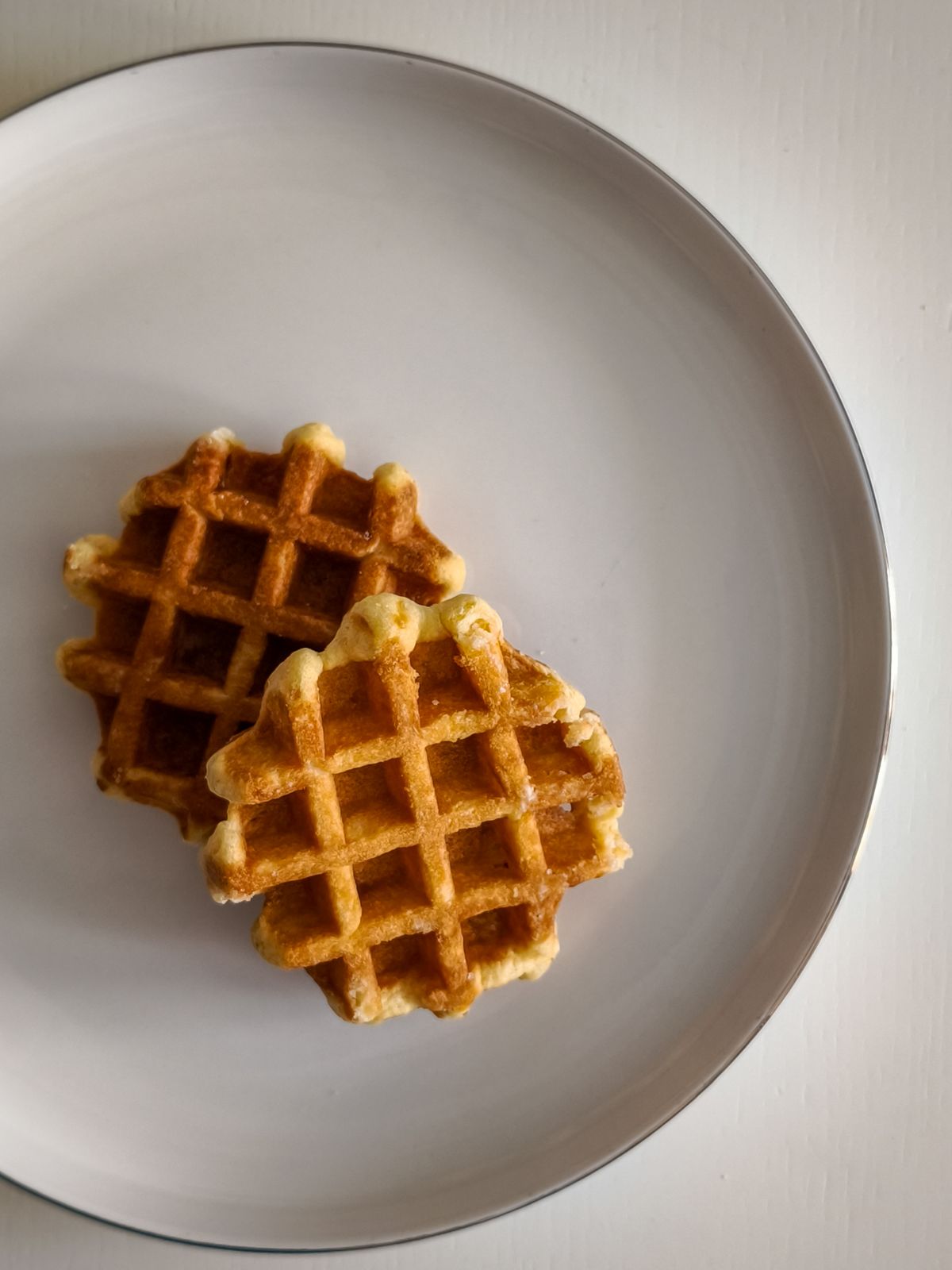
A properly cooked waffle should have developed visible browning rather than remaining pale and soft.
4. Clean release
A waffle that is fully set normally releases more cleanly. Resistance or tearing can mean it needs more time, although dirty or damaged plates can also cause sticking.
Do not repeatedly lift the lid early. Opening a waffle iron before the structure has set can split the waffle and releases heat that the machine then needs to recover.
Can You Tell a Waffle Is Done When the Steam Stops?
Steam is useful, but “wait until absolutely no steam exists†is too rigid.
As waffle batter heats, water turns into steam and escapes around the plates. Serious Eats found that waffle makers designed to vent steam effectively produced crisper waffles than machines that trapped it. That makes visible steam a normal part of good waffle cooking rather than a warning sign.
When heavy steaming falls to a light output, the waffle is often close to ready. Combine that observation with the machine's signal and the waffle's color rather than using steam as the only rule.
Standard Waffles vs Belgian Waffles: Why the Time Changes
Standard waffles
Thin waffles have less interior to heat. They tend to cook faster and have a larger proportion of browned exterior relative to the soft center.
Belgian waffles
Deep Belgian grids create a thicker waffle. Heat needs more time to reach the middle without overbrowning the crust, particularly when the batter is cold or the iron runs at a moderate temperature.
Liège-style waffles
Liège waffles use a rich dough with pearl sugar rather than a typical pourable breakfast batter. The sugar caramelizes against the iron, so visual browning can happen quickly. Follow the specific recipe and machine rather than transferring a standard Belgian waffle time directly.
What Waffle Maker Setting Should You Use?
| Goal | Starting setting | Adjustment |
|---|---|---|
| Soft, lightly colored waffle | Low–medium | Cook until set; avoid removing while wet |
| Balanced crisp outside / soft inside | Medium | Best starting point for an unfamiliar machine |
| Darker, crisper waffle | Medium-high | Watch sugar-rich batters carefully |
| Outside burns before center cooks | Lower setting | Give the center more time at gentler heat |
| Pale after full cycle | Higher setting or longer time | Confirm the iron fully reheated first |
If your waffle maker only has numbered settings, the numbers do not translate consistently across brands. Setting 4 on one machine is not necessarily the same temperature as setting 4 on another.
How Long Should You Preheat a Waffle Maker?
Preheat until the appliance says it is ready. Do not substitute a universal number of minutes for the ready indicator unless the manufacturer's manual tells you to.
Heavier plates can take longer to heat initially but often hold temperature better between waffles. Serious Eats found that machines with heavier, heat-retentive plates recovered faster during repeated batches.
If the first waffle is pale or sticks while later waffles cook properly, inadequate preheating is one of the first variables to investigate.
Why Does the Second Waffle Take Longer—or Come Out Paler?
Every pour of cool batter removes heat from the plates. Better waffle makers recover quickly, while lightweight or lower-powered machines may need a pause between batches.
Wait for the ready signal again
Do not assume the machine is ready just because the previous waffle came out.
Use the same measured batter amount
Changing batter quantity also changes cooking time, making the machine look inconsistent when the real variable is portion size.
Keep batter temperature consistent
A bowl that starts at room temperature and later becomes refrigerator-cold will change the thermal load on the plates.
Judge color against the previous batch
If later waffles become progressively paler, extend recovery time before changing the recipe.
Waffle Cooking Time Troubleshooting
| Problem | Likely timing/heat issue | Try next |
|---|---|---|
| Pale and soft | Iron too cool or waffle removed too early | Fully preheat; extend cook modestly |
| Dark outside, raw middle | Heat too high for waffle thickness | Lower heat and cook longer |
| Sticks when lid opens | May not be fully set | Give it more time before forcing release |
| Dry and hard | Cooked too long | Shorten time before changing batter |
| First waffle pale | Insufficient preheat | Wait for full ready signal |
| Later waffles pale | Iron not recovering between batches | Pause until temperature recovers |
| Very dark sweet waffle | Sugar browning rapidly | Use lower heat if recipe permits |
A Better First-Waffle Method Than Setting a Timer and Hoping
When using a new recipe or waffle maker, treat the first waffle as calibration.
- Preheat the machine fully.
- Use a measured amount of batter.
- Start with the manufacturer's recommended setting or a middle setting.
- Do not open the lid during the first heavy-steam phase.
- When the ready signal occurs, inspect color and texture.
- If pale, add a little time or increase heat for the next waffle.
- If overdark with a wet middle, reduce heat rather than simply shortening the cook.
Record the working setting, batter amount and approximate time. That turns the rest of the batch—and every future batch with the same recipe—into a repeatable process.
Frequently Asked Questions
How long do waffles take in a waffle maker?
Most home waffles take roughly 3 to 6 minutes once the waffle maker is fully preheated, but thin waffles can cook faster and deep Belgian waffles can take longer. Use the appliance signal, steam and browning together rather than relying on a timer alone.
What temperature should a waffle maker be?
There is no universal setting for every machine. Many waffle makers operate in roughly the mid-300°F range, while commercial equipment often runs around 180–200°C (356–392°F). Follow the appliance manual first; Oster lists about 355–360°F for one of its Belgian waffle makers.
How do you know when a waffle is done?
A finished waffle should be deeply golden, release cleanly and have much less steam escaping from the iron. Many modern waffle makers also use a light, beep or timer. Do not rely on steam stopping completely as the only signal.
How long do Belgian waffles take to cook?
Many Belgian waffles take around 4 to 6 minutes, but deep plates, thick batter and lower heat can extend the time. Use the manufacturer setting and look for a crisp exterior with the center fully cooked.
How long do mini waffles take?
Mini waffles often need around 2 to 4 minutes because they contain less batter, but the machine signal and browning are more reliable than a universal timer.
Should I open the waffle maker to check?
Avoid opening it very early. Wait until heavy steaming has slowed or the ready signal appears. Opening before the waffle structure sets can make it tear or stick.
Bottom Line
Most waffles cook in about 3–6 minutes, but the best waffle is cooked to a result, not to a stopwatch. Thin waffles often finish near the low end; deep Belgian waffles tend toward the high end. Start with the manufacturer's recommended setting, fully preheat the iron and use steam, color and the machine signal together.
If the outside burns while the center remains wet, lower the temperature. If the waffle is pale and soft after a full cycle, confirm the iron is recovering to full heat before simply extending every batch.