Waffle maker care guide
How to Clean a Waffle Maker Without Damaging the Plates
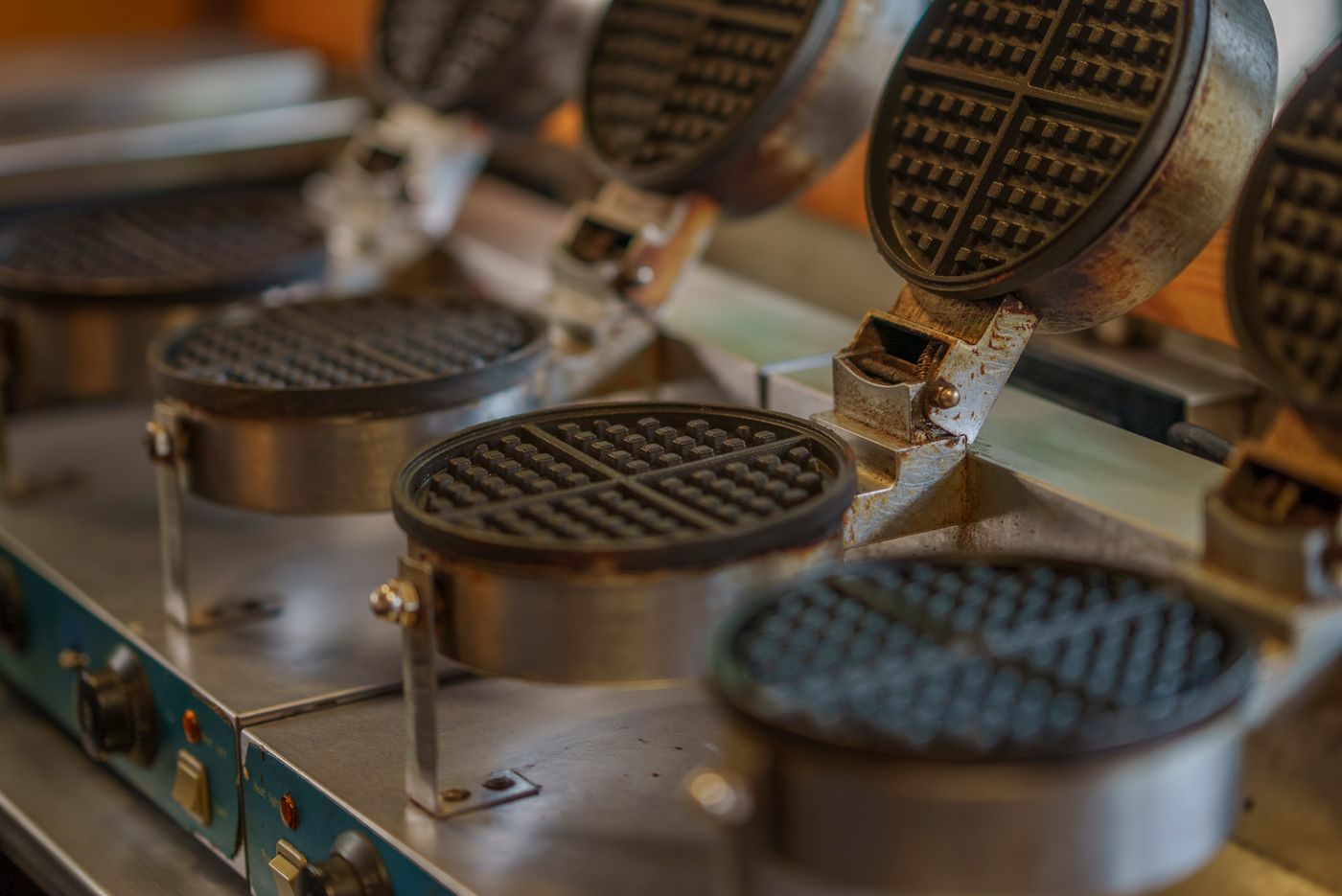
The safest way to clean a waffle maker depends on one thing first: whether the plates are fixed, removable nonstick, or cast iron. Start by unplugging the appliance, let it cool to a safe temperature, and soften stuck batter instead of attacking the grid with metal tools or abrasive pads.
Quick answer
Unplug first. Remove loose crumbs, absorb excess oil, then clean according to the plate type. For fixed nonstick plates, use a damp cloth or soft nylon brush and keep excess water away from the electrical body. For removable plates, follow the manual: some can be hand-washed or put in the dishwasher, while others are removable only for replacement. For baked-on batter, soften it with moisture or a small amount of oil before wiping—do not scrape nonstick grids with metal.
Choose the Cleaning Method by Plate Type
The strongest cleaning advice from manufacturers and independent guides agrees on the principle but not on every detail. That is because waffle makers are built differently. A method that is safe for removable ceramic plates may be wrong for a fixed electrical grid or seasoned cast iron.
| Your waffle maker | Best starting method | Avoid |
|---|---|---|
| Fixed nonstick plates | Brush crumbs, wipe with damp cloth, steam-soften stubborn residue | Soaking, flooding, metal scrapers |
| Removable nonstick plates | Remove only as manual allows; wash with mild soap or dishwasher only when approved | Assuming “removable†means dishwasher-safe |
| Deep Belgian grids | Soft nylon brush + damp cloth pushed into wells | Knives, forks, steel wool |
| Overflow moat / drip tray | Wipe while residue is easy to lift; wash removable tray separately if approved | Letting sugary overflow repeatedly rebake |
| Seasoned cast iron | Brush/wipe, dry thoroughly, maintain seasoning per manufacturer | Long soaking or treating it like coated nonstick |
| Unknown or vintage machine | Locate model/manual before deep cleaning | Strong cleaners until plate material is known |
How to Clean a Waffle Maker With Non-Removable Plates
This is the highest-value sub-intent because fixed plates are the reason waffle makers feel awkward to clean: the grids cannot go to the sink, while the electrical housing cannot be flooded with water.
Unplug the waffle maker
Disconnect it from power before cleaning. Let the plates cool enough to handle safely. Breville notes that its waffle maker is easier to clean while slightly warm; Waring instructs users to unplug and allow plates to cool before cleaning. Follow the manual for your model.
Brush out dry crumbs first
Use a pastry brush, soft-bristle cleaning brush or dry paper towel. Clearing loose debris before adding moisture prevents crumbs from turning into paste in the corners.
Absorb pooled grease
Fold a paper towel or soft cloth into the grid to lift visible oil. Consumer Reports recommends removing excess grease rather than allowing it to collect in seams and controls.
Use a damp—not dripping—cloth
Wipe the grids and accessible grooves. Keep water out of hinges, controls, sockets and the electrical body. Waring specifically warns against immersing the cord, plug or unit.
Steam-soften what remains
For stubborn residue, place a hot damp towel or several damp paper towels across the lower plate, close the unplugged maker and let residual warmth and moisture soften the mess for a few minutes. Waring and Consumer Reports both recommend versions of this technique.
Detail the wells gently
Use a soft nylon brush, silicone tool or manufacturer-approved implement. Do not substitute a metal fork just because it fits between the grid ridges.
How to Clean Removable Waffle Maker Plates
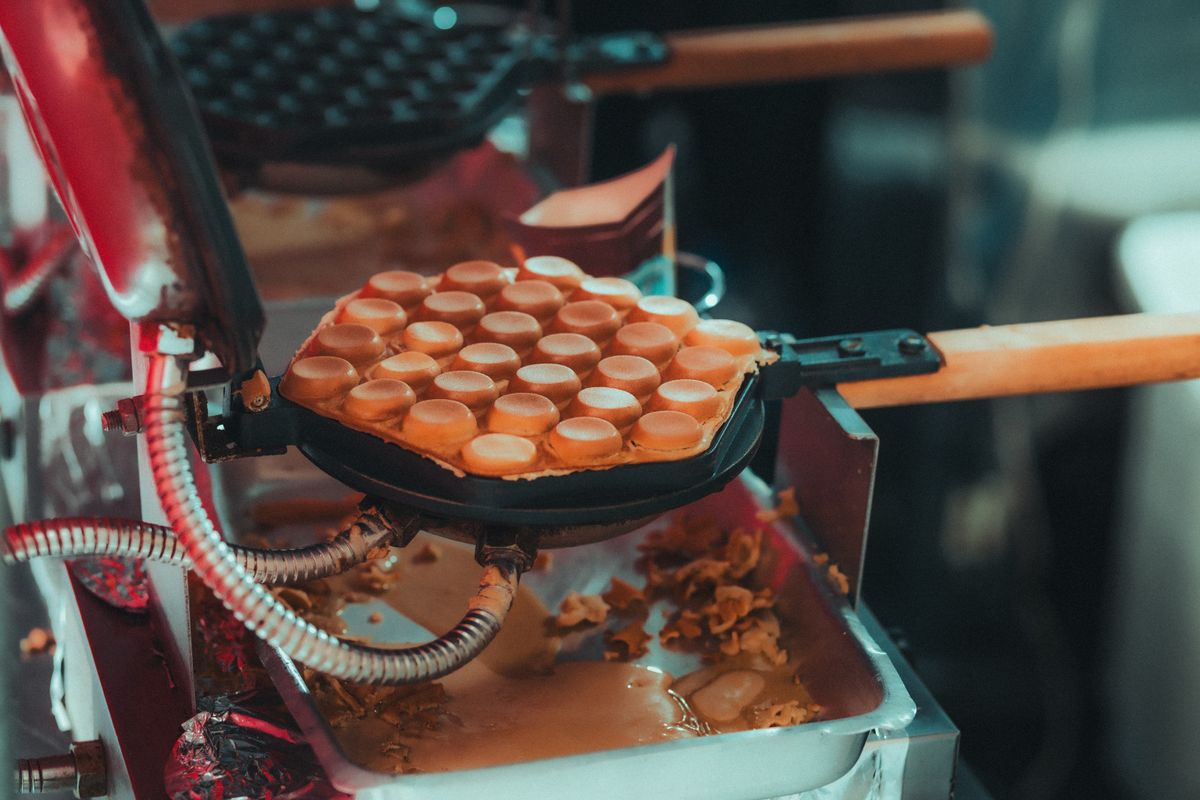
Removable plates can make cleanup much easier, but the user manual still decides what “removable†means.
Cuisinart currently lists waffle makers with removable ceramic nonstick plates that are dishwasher-safe. That is a clear manufacturer permission for those specific models. By contrast, Waring's cleaning guide says some of its serviceable plates should not be removed for routine cleaning and are not dishwasher-safe.
If the manual says hand-wash
Wait until the plates are cool, remove them as directed and wash with warm water, mild dish soap and a soft sponge or nylon brush. Dry them completely before reinstalling.
If the manual says dishwasher-safe
You can use the dishwasher, but there is no advantage in assuming every removable grid has the same coating or hardware. Follow the rack-placement and detergent advice in the specific manual if provided.
If you cannot find the manual
Search by the exact model number printed on the appliance. Until you know what the coating tolerates, treat the plates conservatively: mild soap, soft tools and no abrasive chemicals.
How to Remove Burnt-On Batter Without Scratching the Grid
Burnt batter feels like a scraping problem, but the safer first step is usually softening.
Method 1: Damp-towel soften
Use residual warmth and a damp towel for a few minutes. This is especially useful when dried batter is sitting in deep wells.
Method 2: Small amount of oil
Waring and Breville both describe using a little cooking oil on adhered batter, letting it stand for about five minutes, then wiping the softened residue away.
Method 3: Nylon brush
Once residue is softened, work it loose with a soft nylon or silicone brush instead of a metal scraper.
Method 4: Repeat
Several gentle cycles are safer for a nonstick coating than one aggressive scrub.
The goal is to preserve the cooking surface. A clean grid with scratched nonstick coating can create a bigger sticking problem than the residue you were trying to remove.
How to Clean Sticky Grease and Cooking-Spray Buildup
A greasy film can become more difficult each time the waffle maker reheats. Consumer Reports, The Kitchn and Breville all caution against routine aerosol nonstick sprays on certain coated waffle makers because residue can bake onto the plates and impair release.
For ordinary grease, start with a soft cloth lightly dampened with warm soapy water if your manual permits soap. Wipe again with a clean damp cloth so detergent is not left on the food-contact surface.
For older sticky residue, do not jump directly to oven cleaner or a harsh degreaser. The Kitchn suggests a baking-soda cleaning approach for stubborn nonstick grids, but strong chemistry is not universal across coatings. Manufacturer instructions take precedence.
When Does a Waffle Maker Actually Need a Deep Clean?
A deep clean is useful when normal wiping no longer removes a visible film, waffles begin sticking in areas that used to release cleanly, burnt batter is repeatedly smoking, or grease has accumulated around the hinge, overflow channel or exterior seams.
- Unplug the unit and identify whether the plates are removable.
- Remove crumbs and dry residue before using moisture.
- Clean the cooking surface with the gentlest manufacturer-approved method first.
- Address overflow channels and exterior seams separately.
- Keep cleaning liquids away from electrical components.
- Dry all components before reassembly or storage.
- Inspect the coating for damage while the plates are clean.
Deep cleaning should not mean stripping the plates back to bare material. On a modern nonstick waffle maker, preserving the coating is part of cleaning it correctly.
Cast-Iron Waffle Irons Need a Different Routine
Do not apply nonstick-appliance advice blindly to traditional or commercial cast-iron waffle plates.
Waring's heavy-duty cast-iron waffle maker guide emphasizes brushing crumbs and buildup while the plates are warm, wiping them after cooling, keeping water from being poured directly on the plates, and maintaining seasoning. The guide describes seasoning as the protective oil layer that produces the nonstick surface.
If you have a stovetop cast-iron waffle iron from another manufacturer, follow that manufacturer's seasoning and cleaning instructions. The important point is that seasoned iron and factory nonstick coatings solve sticking in different ways and should not be cleaned identically.
What Not to Use on a Nonstick Waffle Maker
| Avoid | Why | Use instead |
|---|---|---|
| Metal forks, knives or scrapers | Can scratch nonstick coating | Nylon brush, silicone tool, soft cloth |
| Steel wool / abrasive pads | Can wear or score coated surfaces | Non-abrasive sponge if manual permits |
| Immersing the electrical unit | Water can enter electrical components | Damp cloth on fixed surfaces |
| Pouring water onto fixed plates | Can run into the appliance body | Damp towel or cloth |
| Strong oven cleaner | May damage coatings and leave unwanted residue | Manufacturer-approved mild cleaning method |
| Routine aerosol nonstick spray | Can create baked-on tacky residue on some coatings | Follow the recipe/manual; oil only as directed |
Can You Use Baking Soda on a Waffle Maker?
You will see baking soda recommended by several household-cleaning publishers, including The Kitchn, Lowe's and Better Homes & Gardens. That does not make it a universal manufacturer-approved method.
If your manual permits mild cleaning agents and the coating is intact, a gentle paste can be useful for stubborn oily residue. Use it without abrasive scrubbing and remove all residue afterward. If the manufacturer gives a different method—such as oil-softening, warm soapy water or a nylon brush—use the manufacturer method first.
This distinction is important because “nonstick†can refer to different surface technologies. A cleaning shortcut should not cost you the coating.
Can You Put Waffle Maker Plates in the Dishwasher?
Only when the manual explicitly says yes.
Cuisinart's WAF-300 model is a clear example of removable plates marketed as dishwasher-safe. Waring is a useful counterexample: its cleaning documentation for several commercial machines says the plates are not dishwasher-safe and should not be removed for routine cleaning.
That makes dishwasher eligibility a model-level fact, not a generic waffle-maker fact.
How to Make the Next Cleanup Easier
The best cleaning strategy starts before batter touches the iron.
Measure the batter
Repeated overflow sends batter into hinges, seams and exterior channels that are harder to clean than the grid. If overflow is common, reduce and measure the pour rather than accepting it as normal.
Let the waffle finish cooking
Undercooked waffles tear and leave wet batter glued to both halves of the grid. Use the ready signal, slowing steam and color before forcing the lid open.
Avoid unnecessary cooking spray
If the manual says the nonstick coating needs no spray, skip it. Added grease can migrate beyond the cooking surface and aerosol residue can create a tacky film over time.
Clean after use rather than after five uses
Breville recommends cleaning after every use to prevent baked-on residue. A two-minute wipe after breakfast is easier than removing several layers of reheated oil later.
A 5-Minute Post-Waffle Cleaning Routine
Unplug
Disconnect the waffle maker as soon as the batch is finished.
Let it become safe to handle
Do not work on dangerously hot plates. If your manual allows cleaning while slightly warm, take advantage of warmth without risking a burn.
Brush and blot
Remove crumbs and soak up visible oil before they harden.
Wipe the grids
Use a damp cloth or the plate-cleaning method specified for your model.
Dry and store open until fully dry
Do not trap moisture inside the closed appliance before storage.
Frequently Asked Questions
How do you clean a waffle maker with non-removable plates?
Unplug the waffle maker and let it cool until it is safe to handle. Brush out loose crumbs, wipe away grease, then use a damp—not dripping—cloth on the grids. A warm damp towel closed between the plates for a few minutes can soften stuck residue. Never immerse the appliance.
How do you remove burnt batter from a waffle maker?
Start by softening rather than scraping. Manufacturer guidance from Waring and Breville supports using a small amount of cooking oil on stuck batter or a warm damp towel to loosen residue before wiping with a soft cloth or nylon brush.
Can you wash waffle maker plates in the dishwasher?
Only if the manufacturer says the specific plates are dishwasher-safe. Some Cuisinart models have removable dishwasher-safe plates, while Waring explicitly states that some replaceable plates are not intended to be removed for routine cleaning.
Can you use cooking spray on a waffle maker?
Check the manual first. Consumer Reports, The Kitchn and Breville warn that aerosol nonstick sprays can create sticky buildup or reduce the performance of some nonstick coatings.
How often should you clean a waffle maker?
Wipe away crumbs, batter and excess grease after every use. Manufacturer guidance from Breville and Waring recommends regular cleaning to prevent baked-on residue and sticking.
Can you clean a waffle maker while it is hot?
Do not clean dangerously hot plates. Some manufacturers recommend allowing the unit to cool completely, while Breville notes that certain models are easier to wipe while slightly warm. Follow the manual for the exact appliance.
Bottom Line
The best waffle-maker cleaning method is determined by the plate material and whether the plates are designed to come out. For most fixed nonstick makers, unplug, remove crumbs, blot grease, soften stubborn residue and wipe with a damp cloth or soft nylon brush. Do not immerse the unit or use metal tools.
For removable plates, verify whether they are hand-wash or dishwasher-safe rather than guessing. And when residue is burned on, soften first: manufacturer instructions from Waring and Breville support moisture or a small amount of oil as gentler alternatives to aggressive scraping.