Kitchen technique
How to Reheat Garlic Bread Without Drying It Out
The best method depends on the bread you have. Use the oven for a loaf or several servings, the air fryer for a few crisp slices, a skillet when you have no oven, and the microwave only when speed matters more than crust.
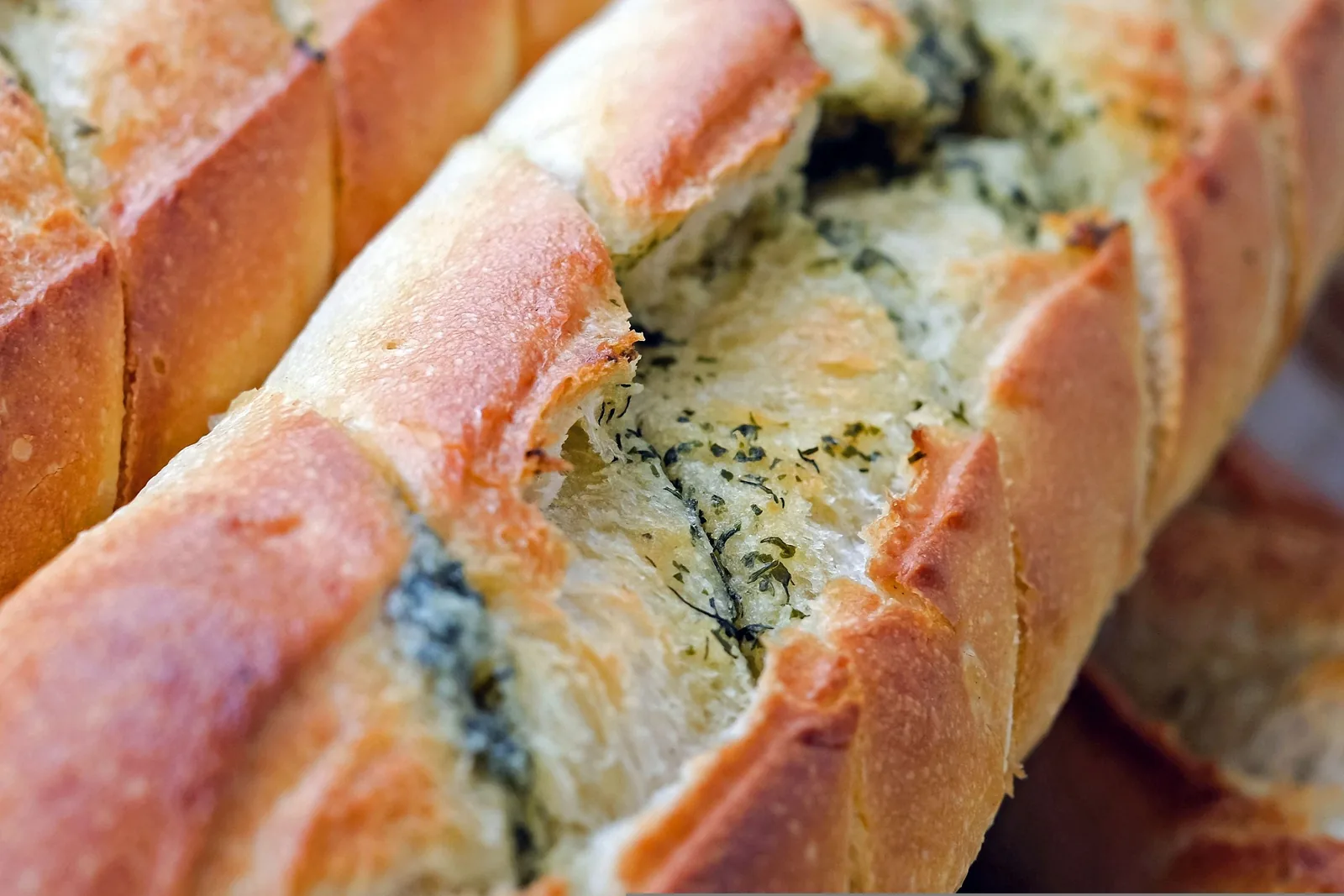
Quick answer
For most leftover garlic bread, wrap it loosely in foil and reheat at 350°F (175°C) for about 8–15 minutes, depending on thickness and quantity. Open the foil for the last 2–3 minutes if you want a crisper surface. For only one or two slices, an air fryer at about 350°F can be faster, but check early because the exposed garlic butter can brown quickly.
Choose the reheating method by what you actually need
Most guides give you four or five appliances and leave you to guess. A more useful choice starts with three questions: how much bread are you reheating, how crisp do you want it, and is the bread merely cold or actually dry?
| Your situation | Best method | Starting point | Why | Main risk |
|---|---|---|---|---|
| Half or whole loaf | Oven | 350°F, 10–15 min | Gentle, even reheating | Drying if left uncovered too long |
| 1–3 slices | Air fryer | 350°F, 2–4 min | Fast and crisp | Edges and garlic can brown quickly |
| Soft interior matters most | Foil in oven | 350°F, covered first | Retains more moisture | Less crisp surface |
| No oven or air fryer | Covered skillet | Low-medium heat, a few minutes | Uses direct heat without special equipment | Bottom can toast faster than center warms |
| You have under a minute | Microwave | Very short bursts | Fastest | Soft or chewy texture |
| Bread is already dry | Foil + low oven | Add only a trace of moisture if needed | Limits further moisture loss | Too much water makes it soggy |
Best overall: reheat garlic bread in the oven
The oven is the safest default when you want the middle warm without scorching the exposed buttered surface. Several reheating guides converge around 350°F, and Pantry & Larder’s direct comparison also preferred the oven overall.
- Preheat the oven to 350°F (175°C).
- If reheating a large piece or whole loaf, wrap it loosely in foil. The foil reduces moisture loss while the center heats.
- Place it on a baking sheet and heat for roughly 10–15 minutes. Thin slices may need less.
- For a crisper top, open the foil for the final 2–3 minutes.
- Serve promptly rather than leaving the bread in the hot oven after it is ready.
Fastest crisp method: use the air fryer
An air fryer makes sense when heating a small amount because its compact convection chamber restores surface crispness quickly. Dedicated air-fryer guides commonly recommend about 350°F and only a few minutes.
Arrange slices in one layer and check early. Garlic butter, herbs and cheese all brown faster than plain bread, so reheating time varies more than it does with an unseasoned roll.
If the slices are thick and very cold, lower heat for a little longer can be preferable to blasting them until the edges darken while the middle stays cool.
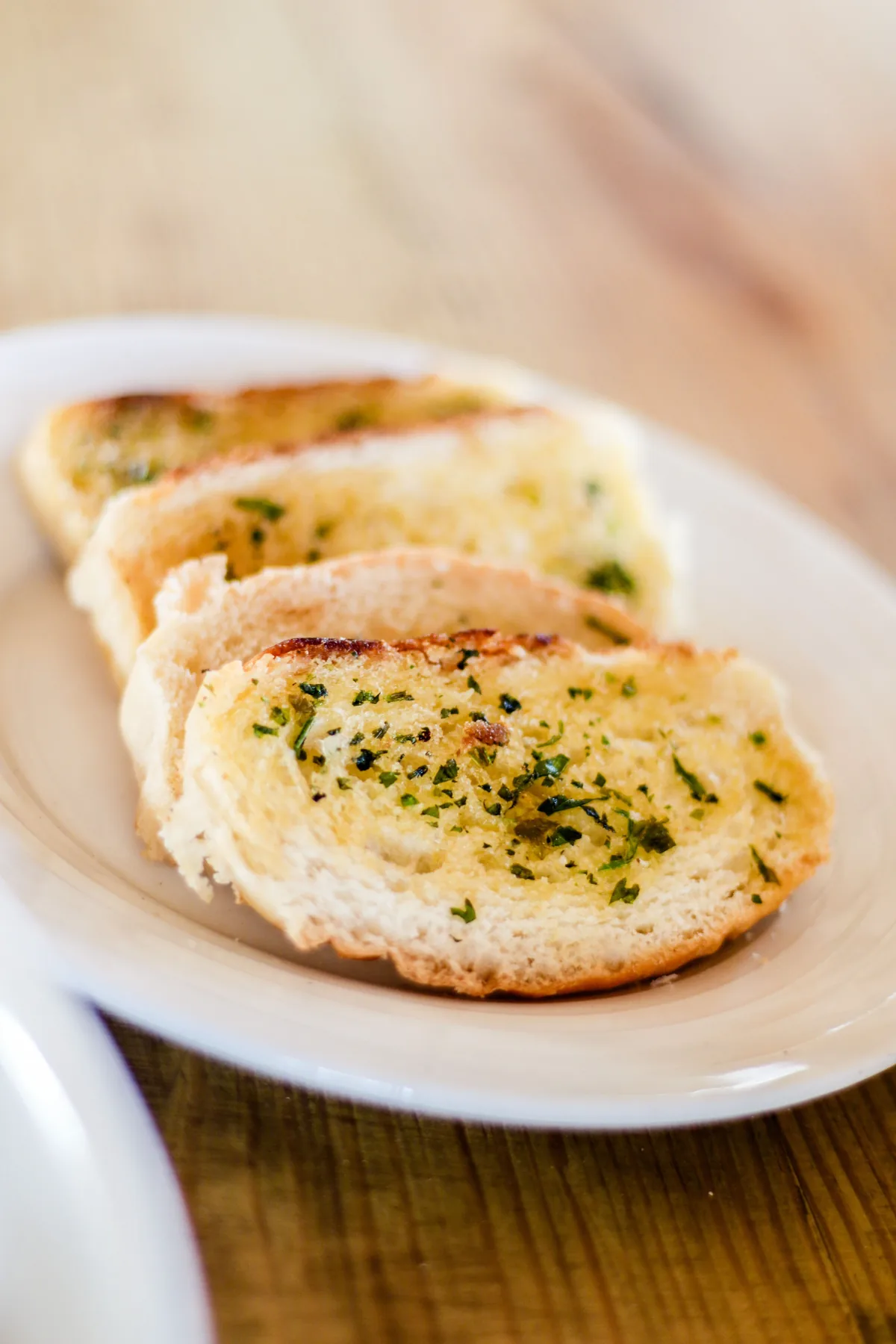
No oven? Reheat garlic bread in a skillet
A skillet is useful when you only have a few pieces and want to avoid the microwave. Put the bread in a pan over low to medium-low heat and cover the pan briefly so the trapped heat can reach the center.
Check the underside before the middle feels completely hot. Direct contact with the pan means the bottom can toast faster than the interior warms.
For very buttery bread, you generally do not need to add more oil or butter to the pan. Extra fat can make the underside greasy before the bread is heated through.
Can you reheat garlic bread in the microwave?
Yes, but use it because you need speed, not because it gives the best crust.
Microwaves heat moisture rapidly. That makes bread warm fast, but also tends to soften the crust; as the bread cools again, the texture can become chewy or tough. Use short bursts and eat the bread immediately.
If your alternative is eating it cold at a desk, the microwave is perfectly practical. If you are trying to restore a crisp dinner side, the oven or air fryer is the better tool.
The method changes with the type of garlic bread
Whole or half loaf
Use the oven. The center needs time to warm, and aggressive surface heat can brown the outside long before that happens. Start covered, then uncover briefly if the crust needs refreshing.
Thin slices
Use an air fryer, toaster oven or conventional oven for a short period. Because there is less mass, start checking early.
Cheesy garlic bread
Use moderate oven heat and watch the cheese rather than chasing maximum crispness. The topping can overbrown while the bread underneath is still warming.
Garlic knots
Treat them more like rolls than toast. Gentle covered oven heat is useful when maintaining a soft interior matters more than making every surface crunchy.
Very crusty baguette-style garlic bread
Favor the oven over the microwave. A brief covered warm-up followed by an uncovered finish better preserves the difference between crust and interior.
How to keep reheated garlic bread from getting hard
Hard reheated bread is usually a time-and-moisture problem. Bread that is already stale has less margin for error, and long exposure to dry oven heat removes still more moisture.
For bread that feels dry before reheating, use foil and moderate heat. Some reheating guides suggest adding a small amount of water before wrapping very dry bread. If you try that, think in terms of a few droplets or a very light mist, not soaking the surface.
If the outside is crisp but the middle is cold
Your heat is too aggressive for the thickness of the bread. Lower the temperature, cover it and give the heat more time to move toward the center.
If the bread is soggy
Remove the foil or lid and give it a brief dry finish in the oven or air fryer. Do not add more butter in an attempt to fix softness.
If the edges are burning
Stop using direct high heat. Lower the temperature or shield the bread loosely with foil while the center catches up.
If the garlic tastes harsh or burnt
Fresh minced garlic on the surface is more vulnerable than the bread itself. Use lower heat and avoid placing the bread too close to a broiler element.
How to reheat frozen garlic bread
First distinguish between leftover cooked garlic bread that you froze and garlic-buttered bread intentionally prepared for baking from frozen.
The Kitchn’s garlic-bread recipe, for example, freezes buttered bread before the final bake and then cooks it from frozen. That is not exactly the same task as reheating yesterday’s fully baked leftovers.
For cooked leftovers, the oven is the most forgiving method. Keep the bread covered for the first part of reheating so the outside does not overbrown before the interior warms, then uncover near the end if necessary.
When using commercially frozen garlic bread, follow the package directions first: product thickness, butter content and whether it is already fully baked can change the correct time and temperature.
Store it correctly before you worry about reheating
Reheating cannot rescue bread that was stored poorly. Cool leftovers before sealing them for storage so excess steam does not collect inside the container, then keep them protected from drying and odors.
Storage advice varies with the actual garlic bread: plain bread with garlic oil is not identical to bread topped with cheese or other perishable ingredients. For versions containing perishable toppings, refrigerate promptly and follow normal leftover food-safety guidance.
The FDA’s cold-storage guidance uses 40°F (4°C) as the refrigerator threshold and commonly recommends about 3–4 days for many cooked leftovers. Because garlic bread recipes vary, treat that as general leftover guidance rather than a universal shelf-life claim for every bread recipe.
Which method should you use tonight?
If you have half a loaf from dinner, choose the oven. If you have two slices and want crisp edges quickly, use the air fryer. If there is no oven, use a covered skillet. Use the microwave only when the fastest possible result matters more than crust.
The biggest improvement is simply matching the method to the bread instead of treating every leftover as identical.
Frequently asked questions
What is the best way to reheat garlic bread?
For most quantities, the oven is the most forgiving method. Heat the bread around 350°F (175°C), using foil initially for a loaf or dry bread and uncovering near the end when a crisper surface is wanted.
How do you reheat garlic bread without it getting hard?
Avoid excessive heat and long uncovered reheating. For dry or thick bread, wrap it loosely in foil so the center can warm without losing moisture as quickly.
How long do you reheat garlic bread at 350°F?
A larger piece or loaf commonly needs roughly 10–15 minutes, while slices may need less. Thickness, starting temperature and toppings matter, so check the bread rather than relying only on a timer.
Is an air fryer good for reheating garlic bread?
Yes, especially for one to three slices when you want a crisp surface quickly. Around 350°F for a few minutes is a useful starting point, but check early because garlic, herbs and cheese can brown quickly.
Can you microwave garlic bread?
Yes. Use very short bursts and eat it immediately. The microwave is fast but tends to soften the crust, so it is less suitable when crisp texture is the goal.