MUFFIN STORAGE · REHEATING · UPDATED AUGUST 2026
How to Reheat Muffins: Choose the Best Method for a Soft Center or Crisp Top
Reheat cold or frozen muffins with a method matched to the texture you want, rather than using one setting for every muffin.
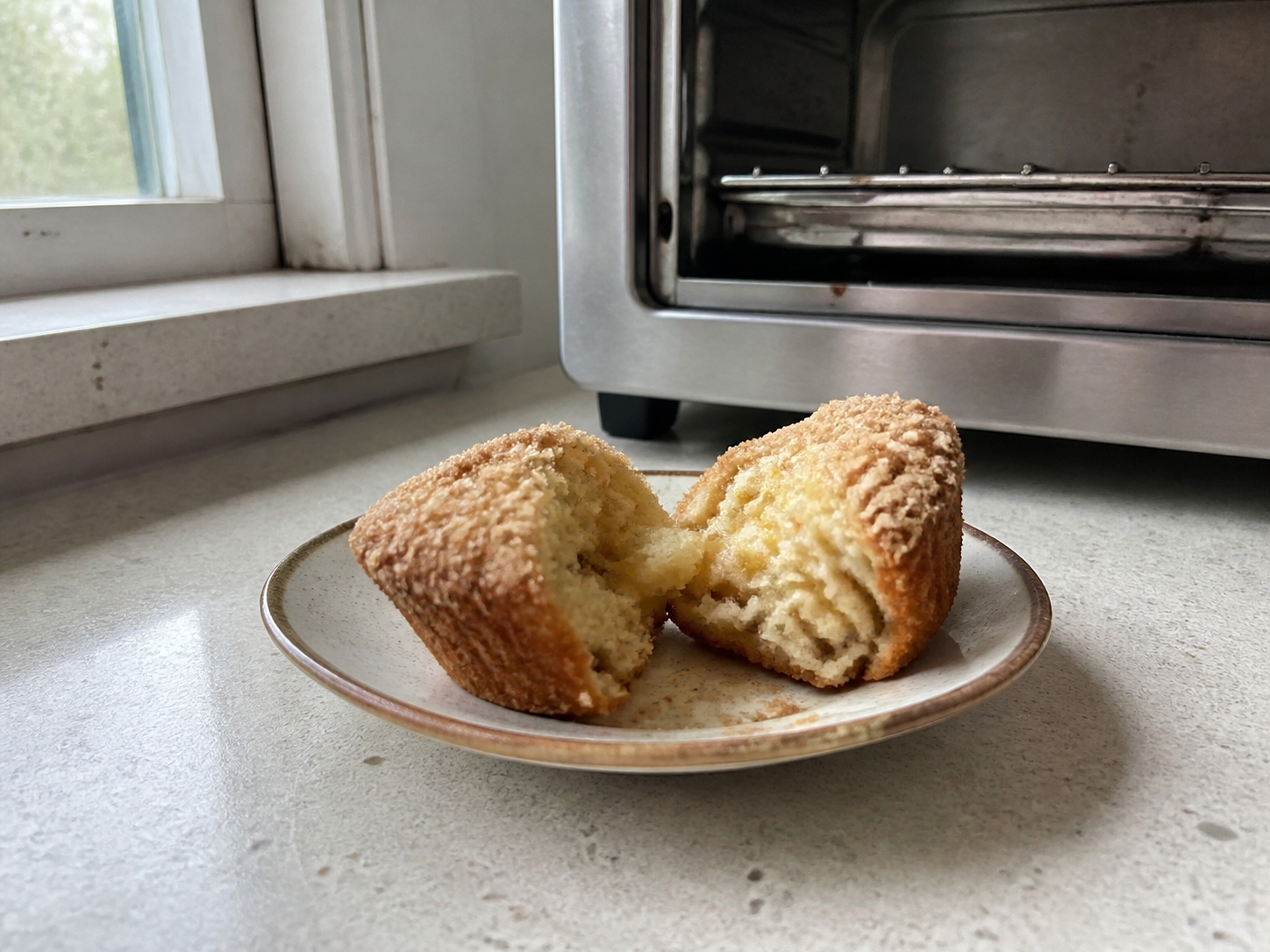
Choose the method that fits what you have
| Your starting point | Best next move | Why |
|---|---|---|
| One muffin, immediate snack | Microwave briefly with a light cover | Fastest; softer exterior |
| Several muffins, want a fresh top | Oven or toaster oven | More even warmth and better surface texture |
| Frozen muffin | Thaw first when time allows | Helps the center warm before the top dries |
A practical step-by-step method
- Decide whether you are optimizing for speed or texture. A soft, plain muffin tolerates the microwave well; a streusel or sugar-topped muffin usually benefits from dry oven heat.
- For the microwave, place one muffin on a plate and cover it lightly with a barely damp paper towel. Warm in short intervals and stop as soon as the center is comfortable to eat.
- For an oven or toaster oven, use low-to-moderate heat and place muffins on a small rack or tray. The goal is to warm through without darkening a delicate top.
- If the muffin was frozen solid, allow a few minutes of counter thawing or use a lower oven setting. A very hot oven can dry the outside before the middle catches up.
- Rest the muffin for a minute before eating. Residual heat finishes the center and makes it easier to judge whether it needs another short warm-up.
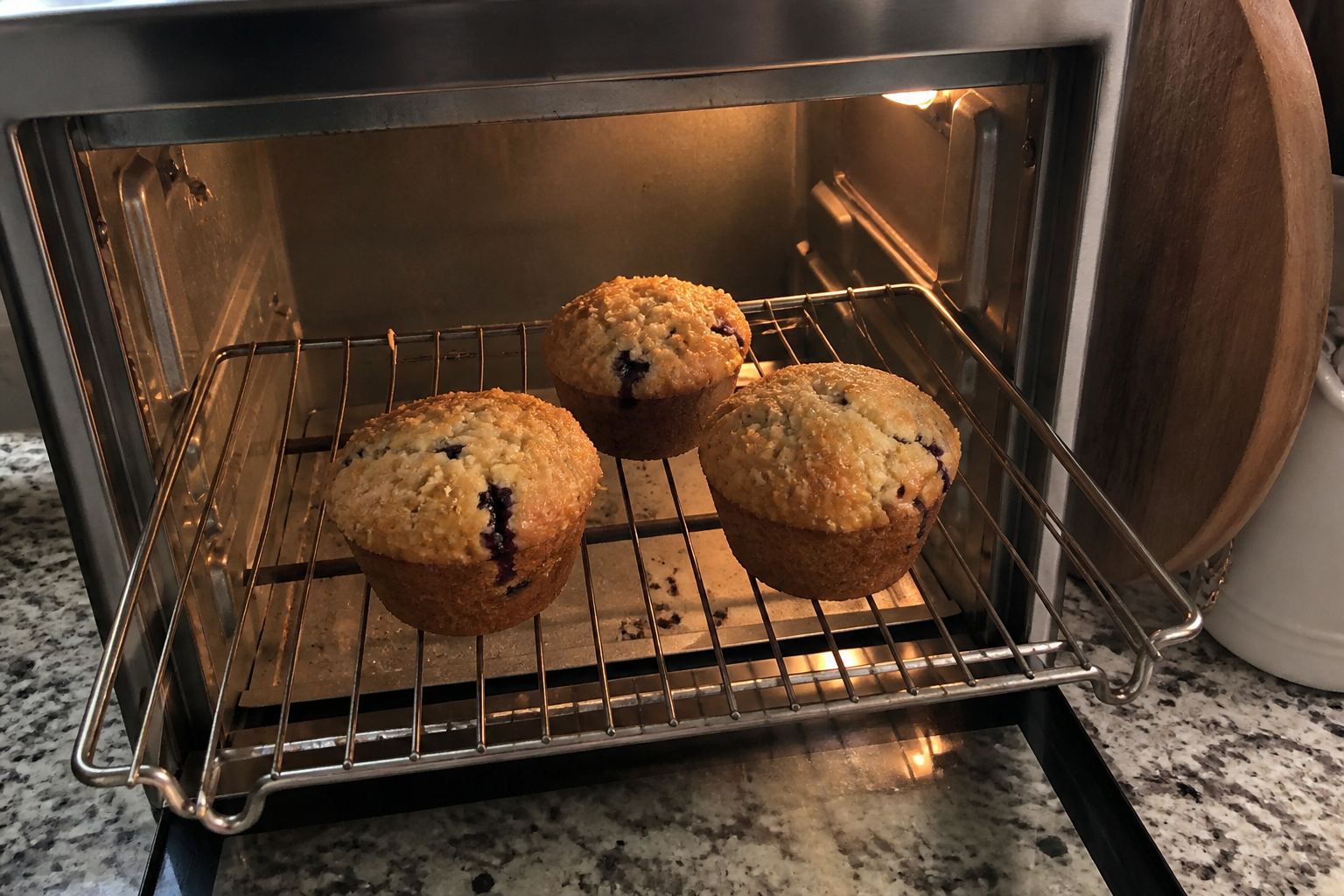
Why small adjustments matter
Reheat cold or frozen muffins with a method matched to the texture you want, rather than using one setting for every muffin. The useful part is not an overconfident universal rule: flour absorption, pan heat, moisture, sugar level, appliances and serving time all change the result. Start with the least aggressive correction, then use visible cues—set edges, a dry surface, a light interior, or a stable batter—to decide whether another change is necessary.
For a repeatable result, change one variable at a time. That approach makes it easier to identify the cause rather than creating a new problem with several fixes at once. It also keeps the page useful when the reader is working with a different recipe, brand, oven or portion size.
Common questions
Can I make this ahead?
Prepare only the parts that benefit from waiting. Keep the final texture step—crisping, reheating, freezing or folding—close to serving when possible.
What if my result still looks different?
Use the decision table and the visual cue in the method before changing the whole recipe. A small adjustment is easier to evaluate and less likely to create a dry or tough result.
Which related guide should I read next?
Choose the related page that matches the exact problem you have: storage, reheating, batter consistency, or the final cook.