Breakfast batter comparison
Pancake Batter vs Waffle Batter: What’s the Difference, and Can You Swap Them?
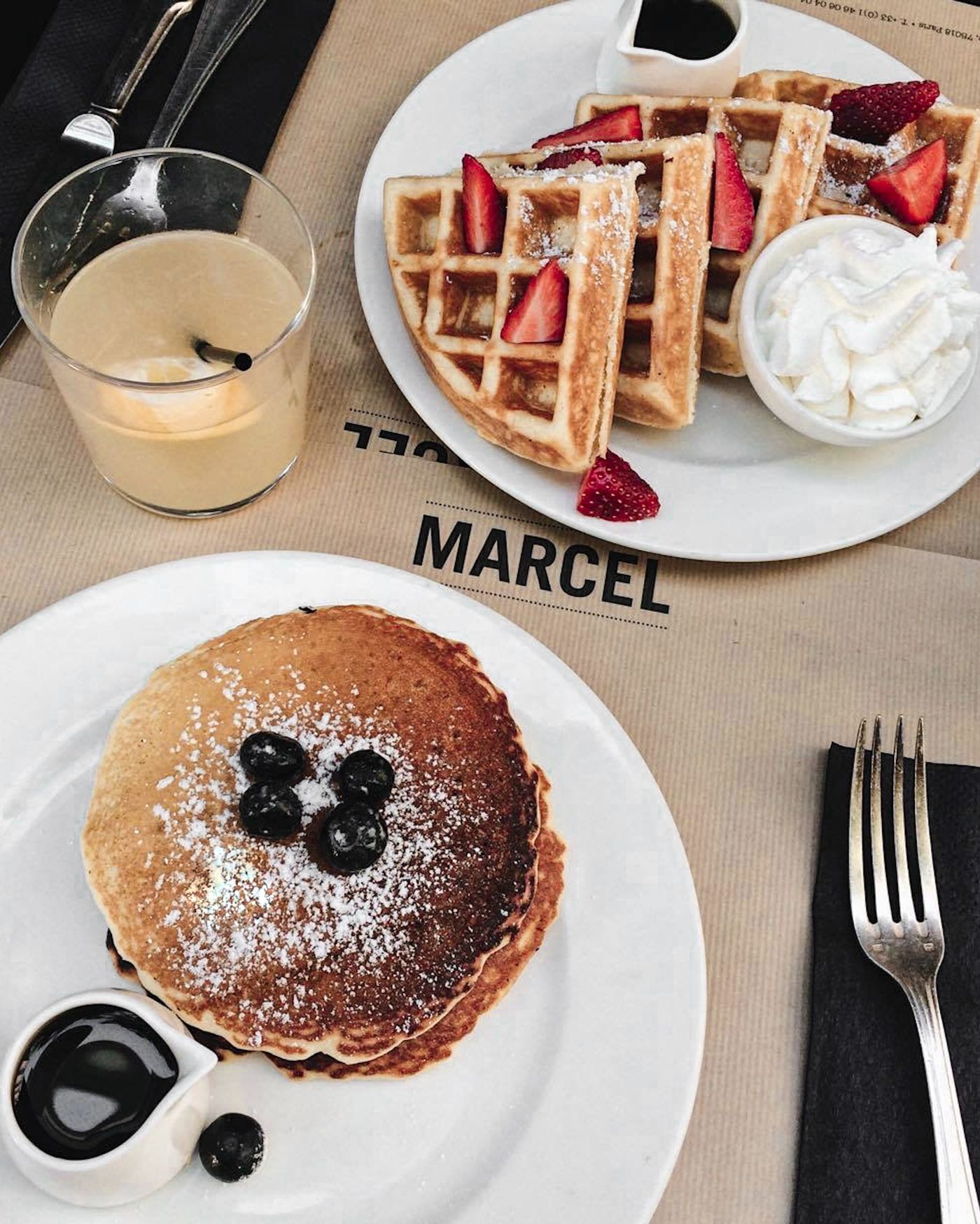
Pancake and waffle batters share flour, liquid, eggs and leavener, but their ratios serve different cooking systems. Waffle batter usually contains more fat and often more sugar so it can brown, crisp and release from two hot metal plates. Pancake batter is usually leaner and looser because it needs to spread gently and remain soft on a flat griddle.
Quick answer
Waffle batter is usually richer than pancake batter. It generally has more oil or butter and sometimes more sugar, which helps create a crisp, deeply browned shell in the waffle iron. Pancake batter is usually softer, slightly looser and lower in fat. You can swap them in an emergency, but pancake batter makes softer waffles, while waffle batter makes richer pancakes that brown faster.
Pancake Batter vs Waffle Batter: Complete Comparison
Betty Crocker and Alton Brown agree on the central distinction: waffles generally use more fat and more sugar. The difference matters because waffle batter cooks in contact with hot metal on both sides, while a pancake receives direct heat only from the griddle below.
| Feature | Pancake batter | Waffle batter | Why it matters |
|---|---|---|---|
| Flour | Usually all-purpose | Usually all-purpose | Provides structure in both |
| Liquid | Often slightly higher relative to flour | Often slightly lower or balanced by more fat | Pancakes need to spread on a flat surface |
| Fat | Low to moderate | Usually higher | Supports crisping, release and tenderness |
| Sugar | Low to moderate | Often higher | Promotes caramelization in the iron |
| Eggs | Provide structure and moisture | May be used in a slightly richer ratio or separated | Supports a light interior and crisp shell |
| Leavener | Baking powder, soda or both | Similar, sometimes yeast or whipped whites | Both need internal lift |
| Consistency | Pourable and gently spreading | Often thicker and more cohesive | Must stay within the waffle plates |
| Cooking surface | Flat griddle or skillet | Heated iron on top and bottom | Changes heat transfer and moisture loss |
| Desired exterior | Soft and evenly browned | Crisp, browned grid | Requires different fat and sugar balance |
| Desired interior | Tender and cake-like | Light or chewy, depending on style | Recipe type changes the target |
Choose the Batter by the Result You Want
Why Waffle Batter Usually Contains More Fat
Alton Brown describes waffles as closer to a fried food than a pancake because the batter is enclosed by oil-coated hot metal. That direct contact produces the characteristic crisp grid.
Extra oil or melted butter helps in four ways:
- promotes a crisp exterior;
- reduces sticking to the waffle plates;
- keeps the interior tender;
- supports even browning across the grid.
Pancakes do not require the same fat level because their outer surface is intended to stay flexible. Too much oil in pancake batter can make the result heavy, greasy or cake-like.
Why Waffle Batter Often Has More Sugar
Sugar supports caramelization and deeper browning. Betty Crocker specifically connects additional waffle sugar with a browner, crisper exterior.
That does not mean waffles need to taste like dessert. Even a modest increase can change the way the batter behaves against hot metal. Too much sugar, however, can create rapid darkening, sticky plates and burnt edges before the center finishes cooking.
Low sugar
Paler waffles, slower browning and a more bread-like flavor.
Moderate sugar
Balanced browning and a crisp exterior.
High sugar
Fast caramelization and greater sticking risk.
Sweetened mix-ins
Chocolate, fruit and pearl sugar add their own browning pressure.
Is Waffle Batter Thicker Than Pancake Batter?
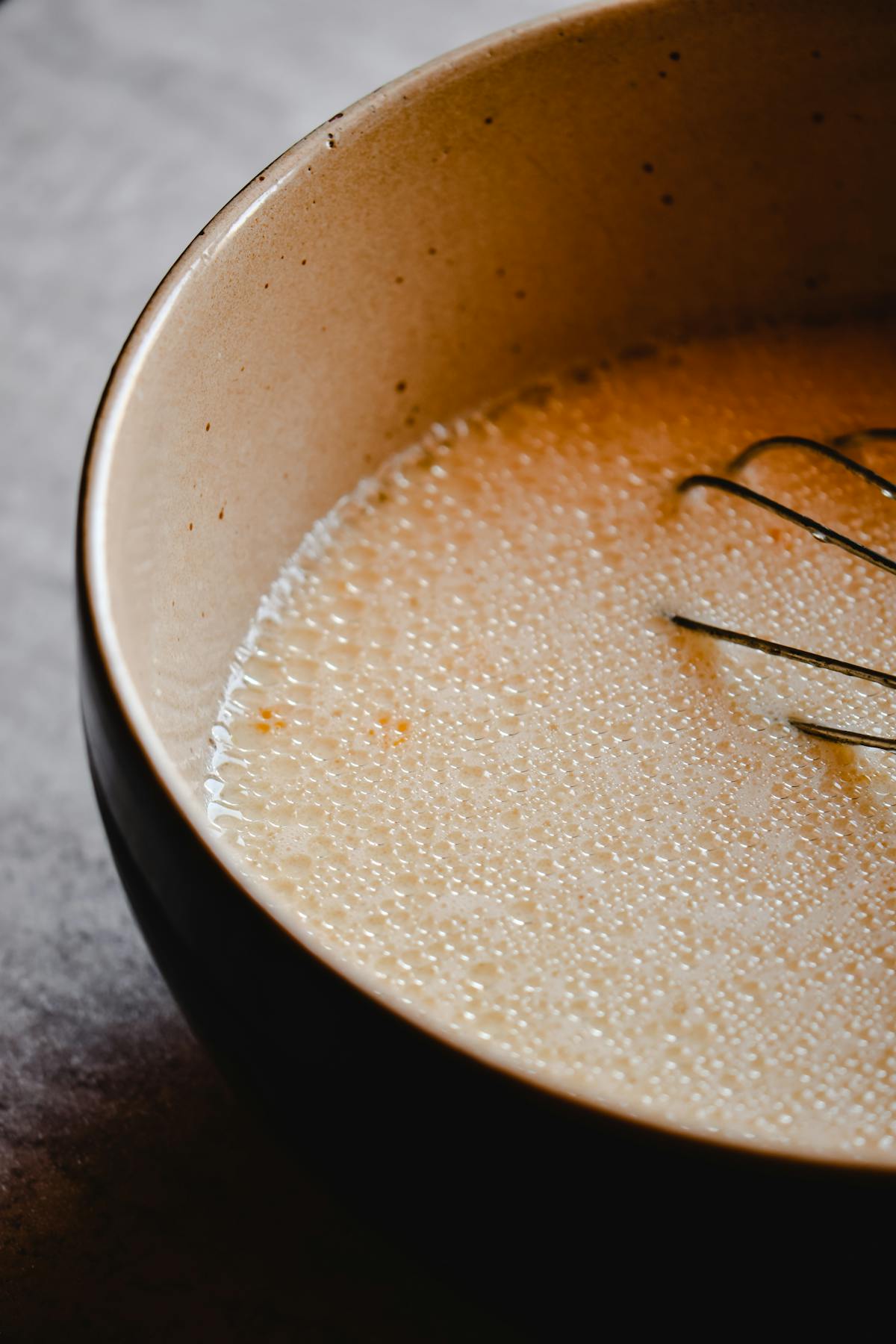
Often, but not always. Many comparison guides describe waffle batter as thicker because it must remain in the iron and support a structured grid. Pancake batter should flow from a ladle and spread into a round without being forced.
Pancake consistency
- falls in a slow ribbon;
- spreads slightly on its own;
- forms rounded edges;
- should not run like milk.
Waffle consistency
- usually more cohesive;
- spreads slowly over the plates;
- holds air and fat evenly;
- must not overflow immediately.
Serious Eats notes an important exception: thicker yeasted waffle batters may need manual spreading or a flip-style maker to reach the edges, while some thinner batters flow easily. Consistency is therefore a useful clue, not an absolute definition.
The Cooking Method Changes the Formula
Pancakes: heat from below
A pancake cooks on a flat griddle. The top remains exposed until flipping, so bubbles can rise, open and signal when the first side has set. The batter needs enough flow to spread but enough structure to hold the gas.
Waffles: heat from both sides
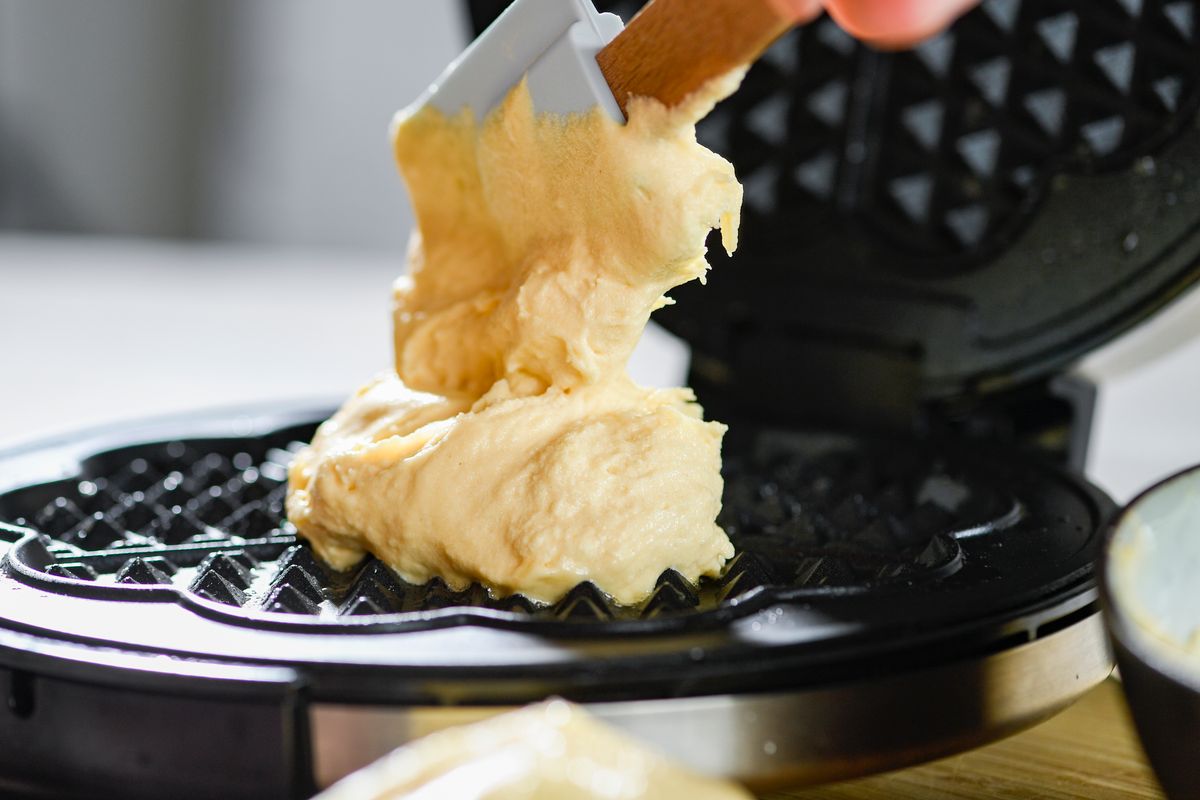
A waffle iron clamps the batter between two patterned plates. Steam expands inside the grid, while moisture escapes through vents. Serious Eats found that waffle makers trapping too much steam produced wetter waffles.
The iron also creates far more surface area than a flat pancake. That is why waffle recipes benefit from extra fat and sugar: more exterior needs to brown and crisp.
Can You Use Pancake Batter for Waffles?
Yes, but unmodified pancake batter usually produces waffles that are pale, soft and less crisp. It may also stick more readily because the formula contains less fat.
A cautious conversion method
Measure the prepared batter
Work with one cup at a time so the whole bowl is not changed blindly.
Add neutral oil
Begin with about one tablespoon oil per cup of prepared pancake batter.
Evaluate sugar
If the batter is nearly unsweetened, add no more than one to two teaspoons sugar per cup initially.
Preheat and grease as required
Follow the waffle maker instructions; nonstick does not always mean grease-free.
Cook one test waffle
Check release, browning, crispness and center doneness before changing the rest.
| Test result | Likely issue | Next adjustment |
|---|---|---|
| Soft and pale | Too little fat or sugar | Add a small measured amount |
| Sticks to plates | Not enough fat, poor preheat or opening early | Increase fat slightly and cook longer |
| Overflows quickly | Too much batter or very thin consistency | Use less batter; do not thicken automatically |
| Dark before center sets | Too much sugar or iron too hot | Reduce heat or sugar |
| Dense interior | Old leavener or overmixed batter | Use fresh batter next time |
Can You Use Waffle Batter for Pancakes?
Yes. The pancakes will often be richer, more deeply browned and slightly crisper at the edges. Waffle batter may also be too thick to spread naturally.
A cautious conversion method
- Cook one small pancake without changing the batter.
- If it does not spread, add milk one tablespoon at a time.
- Use medium-low heat because extra sugar browns quickly.
- Use little or no additional pan fat if the batter already contains plenty.
- Flip once and do not press.
Is Pancake Mix the Same as Waffle Mix?
Many commercial boxes market one dry mix for both products. Betty Crocker explains that the dry ingredients can be similar while the package directs users to add more oil for waffles.
Read the two instruction columns rather than assuming the powder itself changes. Common differences include:
- more oil or melted butter for waffles;
- different water or milk quantities;
- sometimes an extra egg;
- different portion size and cooking directions.
Complete mixes may already contain powdered fat, sugar, egg or milk. Ingredient and allergen checks remain necessary even when the preparation calls only for water.
Recipe Style Can Matter More Than the Label
| Style | What makes it different | Interchangeability |
|---|---|---|
| Buttermilk pancakes | Acid + baking soda, tender crumb | Can make waffles, but may need more fat |
| Belgian waffles | Deeper grid, sometimes yeast or whipped whites | Not equivalent to ordinary pancake batter |
| Yeasted waffles | Fermentation and strong flavor | Can make unusual pancakes, but timing differs |
| Liege waffles | Enriched dough and pearl sugar | Not pancake batter at all |
| Protein pancakes | Higher protein, often lower starch | Can become dry in a waffle iron |
| Gluten-free mix | Blend-specific hydration and binders | Follow package or recipe directions |
| Eggless batter | Alternative binder or no direct egg substitute | May stick more in waffle plates |
Why Pancake Batter Makes Soft Waffles
Soft waffles usually result from one or more of these conditions:
- not enough fat to fry and crisp the exterior;
- not enough sugar for strong browning;
- the waffle iron was not fully preheated;
- the maker traps steam;
- the waffle was removed before steam output slowed;
- finished waffles were stacked, trapping moisture.
Moving the finished waffle to a wire rack rather than a plate helps preserve crispness. Do not stack hot waffles unless softness is acceptable.
Why Waffle Batter Makes Heavy Pancakes
Waffle batter can make pancakes heavy when the extra fat slows structural setting or when thick batter is cooked as an oversized pancake. Additional sugar may brown the exterior before the center cooks.
Use smaller portions and lower heat. If the batter barely moves, thin it gradually rather than spreading it manually across the pan.
Pancake and Waffle Batter Troubleshooting
| Problem | Likely cause | Best correction |
|---|---|---|
| Pancake batter sticks in waffle iron | Low fat, poor preheat or opening early | Add measured oil and cook until steam slows |
| Waffles are pale and floppy | Low fat/sugar or trapped steam | Adjust formula and cool on rack |
| Waffle batter makes burnt pancakes | Higher sugar and excessive heat | Lower pan heat |
| Waffle batter does not spread on griddle | Too thick | Add milk one tablespoon at a time |
| Pancake batter overflows iron | Too much batter or very loose consistency | Reduce portion first |
| Both products are dense | Old leavener or overmixing | Use fresh leavener and mix gently |
| Waffles become soggy on plate | Steam trapped beneath | Move to wire rack |
| Pancakes become greasy | Waffle formula has high fat | Use a dry or lightly greased pan |
Can the Same Batter Be Designed for Both?
Yes. A balanced all-purpose mix can produce acceptable pancakes and waffles when the user changes added oil, liquid or egg according to the appliance. Many boxed products use exactly this strategy.
However, a formula optimized for both is usually a compromise. It may not make the softest pancake or the crispiest waffle. For the highest-quality result, use a dedicated recipe for the chosen format.
Storage Differences
Both batters are perishable once eggs and dairy are added, and both lose leavening quality during storage. Pancake batter may be refrigerated briefly, but day-two pancakes are often flatter. Waffle batter can also lose lift, especially when it contains whipped egg whites or baking soda.
For leftovers, cooking first is generally better:
- cook all fresh pancake batter and freeze the pancakes;
- cook all waffle batter and freeze the waffles;
- cool completely before packing;
- reheat in a toaster or oven for the best exterior.
Frequently Asked Questions
Is pancake batter the same as waffle batter?
No. They use similar ingredients, but waffle batter usually contains more fat and often more sugar. Those changes help waffles brown, crisp and release from the hot iron, while pancake batter is formulated to remain soft and tender on a flat griddle.
Can you use pancake batter to make waffles?
Yes, but the waffles are usually softer and less crisp. For every cup of prepared pancake batter, begin by adding about one tablespoon neutral oil; add a small amount of sugar only if the original batter is low in sugar. Cook one test waffle before adjusting further.
Can you use waffle batter to make pancakes?
Yes, but the pancakes may brown quickly and feel richer or slightly crisp at the edges. Thin the batter with a small amount of milk if it does not spread, lower the pan heat and watch the added sugar carefully.
Why does waffle batter contain more oil?
Extra fat helps the waffle surface fry against the hot iron, promotes crispness, reduces sticking and keeps the interior tender. Pancakes need less fat because they cook on one flat surface and are intended to stay soft.
Is waffle batter thicker than pancake batter?
Often, but not always. Waffle batter generally needs enough body to stay inside the iron and create a structured grid. Some Belgian, yeasted or whipped-egg-white batters can behave differently, so consistency should be judged within the recipe.
Why does pancake mix have different waffle directions?
The dry mix can be the same while the preparation changes. Waffle directions commonly add more oil, and sometimes different liquid or egg quantities, to create a crisper result.
Can Belgian waffle batter be used for pancakes?
Sometimes, but Belgian batters may contain yeast, whipped whites or a richer ratio. The resulting pancakes can be unusual, heavy or fast-browning and should be tested in a small portion first.
Bottom Line
Pancake and waffle batters share ingredients but are not optimized for the same job. Waffle batter usually contains more fat and often more sugar so it can crisp, brown and release from two heated plates. Pancake batter is usually leaner and more fluid so it spreads and stays tender.
You can swap them when necessary. Add a measured amount of oil when turning pancake batter into waffles; thin waffle batter and reduce the pan heat when making pancakes. For the best texture, use a dedicated formula rather than treating the two batters as identical.