No-milk pancake guide
Can You Make Pancakes Without Milk? The Best Substitutes and a Complete Recipe
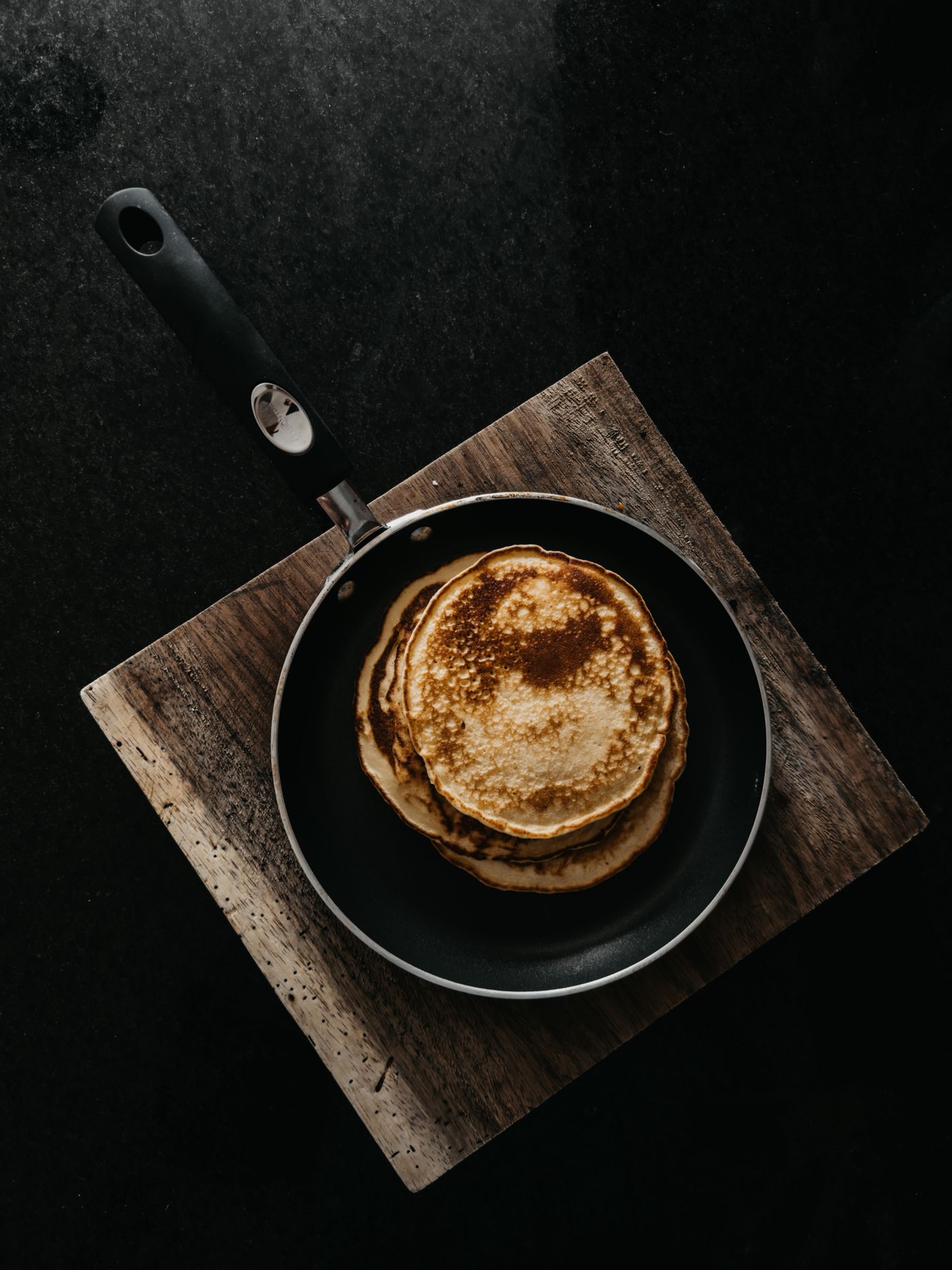
Yes. Pancakes do not require dairy milk to rise or cook properly. Water gives the lightest and simplest result, soy milk gives the closest structure to ordinary milk, oat milk adds mild sweetness and almond milk produces a lighter batter. The best replacement depends on whether you are out of milk or need the entire recipe to be dairy-free.
Quick answer
Replace milk with the same starting amount of water or unsweetened plant milk. When using water, keep the oil in the recipe because water supplies no fat or milk solids. Soy milk gives the closest body, oat milk gives a tender mild pancake and almond milk makes a lighter batter. Use unsweetened products so added sugar does not cause premature browning.
Choose the Best Milk Substitute for Pancakes
Most competitors prove that water works, but the useful decision is what each substitute changes. Milk contributes liquid, protein, sugar, fat and flavor; every alternative replaces the moisture, but not all of the other functions.
| Substitute | Starting ratio | Expected pancake | Best use | Main caution |
|---|---|---|---|---|
| Water | 1:1 | Light, less rich, slightly crisper | Out-of-milk emergency | Needs enough oil and flavoring |
| Unsweetened soy milk | 1:1 | Balanced body and browning | Closest plant substitute | Check soy-allergy needs |
| Unsweetened oat milk | 1:1 | Tender, mild, slightly sweet | Neutral dairy-free pancakes | Sweetened versions brown faster |
| Unsweetened almond milk | 1:1 | Light and mildly nutty | Thin, easy-pouring batter | Lower protein and nut allergen |
| Rice milk | Start 1:1 | Thin and lightly flavored | Nut- and soy-free needs | Batter may spread more |
| Coconut beverage | 1:1 | Tender with coconut note | Banana or tropical pancakes | Canned milk must be diluted |
| Yogurt + water | Thin to milk consistency | Tender and tangy | No liquid milk but dairy is fine | Acidity may affect leavener |
| Lactose-free milk | 1:1 | Closest to ordinary dairy milk | Lactose intolerance | Still contains milk protein |
Choose This If…
Fluffy Pancakes Without Milk
This baseline recipe works with water, unsweetened soy milk, oat milk or almond milk. Water creates the leanest result; plant milk provides more flavor and body.
Ingredients
- 1½ cups all-purpose flour
- 2 tablespoons sugar
- 1 tablespoon baking powder
- ½ teaspoon fine salt
- 1 large egg
- 1¼ cups water or unsweetened plant milk
- 3 tablespoons neutral oil
- 1 teaspoon vanilla extract
Instructions
Preheat the pan
Warm a lightly greased skillet or griddle over medium heat before combining wet and dry ingredients.
Mix the dry ingredients
Whisk flour, sugar, baking powder and salt so the leavener is evenly distributed.
Mix the wet ingredients
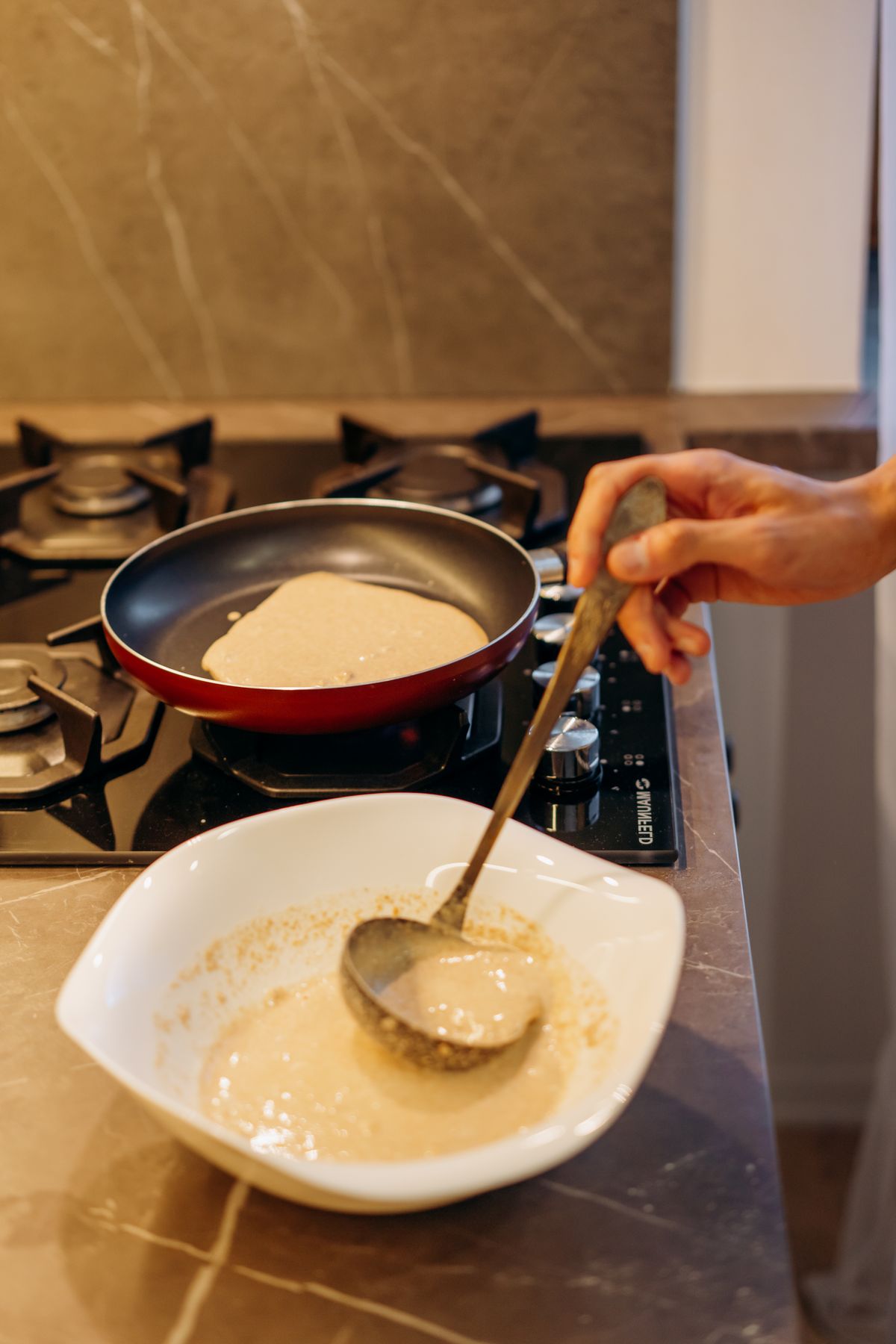
Whisk the egg, water or plant milk, oil and vanilla in a separate bowl.
Combine gently
Fold wet into dry only until no dry flour remains. Small lumps are normal and preferable to overmixing.
Rest briefly
Allow about five minutes for hydration. Do not leave the batter for an extended period after the leavener is wet.
Cook a test pancake
Use about ¼ cup batter. Flip when bubbles persist and the edges look set.
Adjust once, if necessary
If the pancake spreads too widely, fold in a little flour. If the batter barely spreads, add liquid one tablespoon at a time.
Can You Use Water Instead of Milk in Pancakes?
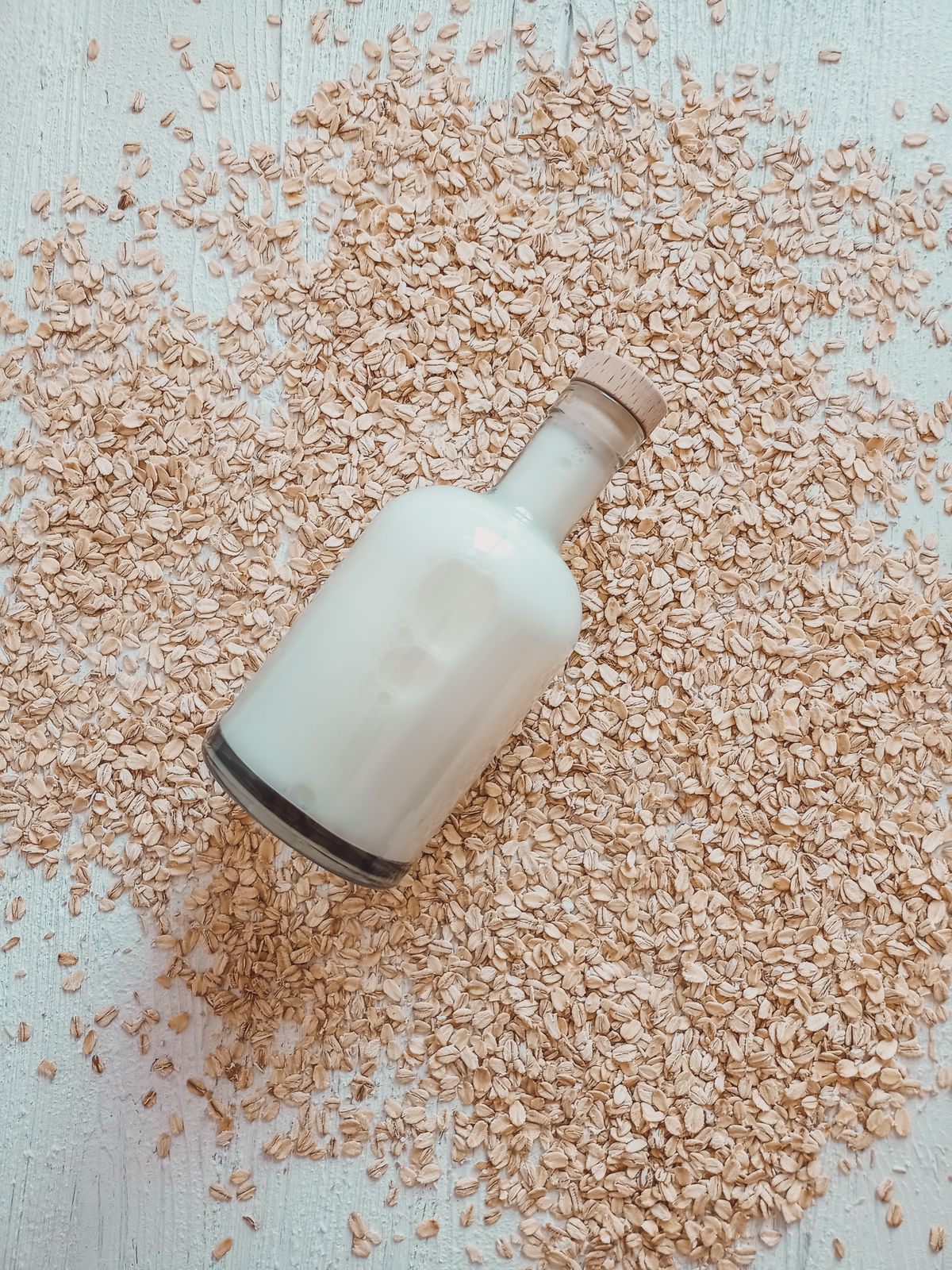
Yes. Laura Fuentes, Texanerin, GialloZafferano and Wholefood Soulfood Kitchen all publish successful water-based pancake recipes. Water hydrates the flour and allows baking powder to work, but it does not add milk fat, lactose or protein.
The result is usually less rich and can be slightly paler. Oil, sugar, vanilla and salt become more important because they supply flavor and support browning.
How to improve water-based pancakes
- Keep the full amount of neutral oil.
- Do not remove all the sugar if browning is weak.
- Add vanilla, cinnamon or citrus zest deliberately.
- Preheat the pan fully.
- Cook one small pancake before adjusting the bowl.
Which Plant Milk Is Best for Pancakes?
Soy milk
Unsweetened soy milk generally has more protein than other common plant beverages. It gives the batter body and helps the surface brown, making it the closest general substitute for dairy milk.
Oat milk
Oat milk is mild, slightly sweet and well suited to cinnamon, fruit and maple flavors. It often makes tender pancakes. Use an unsweetened product so the sugar level remains predictable.
Almond milk
Almond milk is thinner and lower in protein. It works one-for-one but tends to produce a lighter pancake. The subtle nut flavor can complement berries or chocolate.
Coconut milk
Carton coconut beverage can replace milk directly. Full-fat canned coconut milk is much richer and should be diluted. It brings a noticeable flavor, so it is better for a planned variation than a neutral pancake.
Rice milk
Rice milk is thin and mild. It can be useful for nut- and soy-free households, but the batter may spread more. Reserve a small portion of the liquid and add it only if needed.
What Milk Normally Does in Pancakes
Hydrates flour
Any suitable liquid can perform this essential function.
Adds protein
Protein supports structure and surface browning.
Adds sugar
Lactose contributes color and subtle sweetness.
Adds richness
Milk fat improves flavor and tenderness.
Replacing milk therefore requires more than asking whether the batter becomes wet. Water replaces hydration only; plant milks replace hydration plus varying amounts of protein, carbohydrate and fat.
Does “Without Milk†Mean Dairy-Free?
No. Pancakes can omit liquid milk and still contain butter, whey, milk powder, buttermilk or dairy toppings.
- Use neutral oil or verified dairy-free butter.
- Check boxed mixes for whey and milk powder.
- Verify bread-style add-ins such as chocolate chips.
- Use dairy-free yogurt and cream toppings when needed.
- Prevent cross-contact for a milk allergy.
Lactose-free cow's milk is appropriate for many people with lactose intolerance, but it still contains milk proteins and is not suitable for a milk allergy.
How to Replace Buttermilk
Buttermilk is acidic, so a direct water substitution can leave excess baking soda unreacted. That can cause poor rise, excessive browning or a soapy taste.
A common dairy-free substitute is one cup unsweetened plant milk mixed with approximately one tablespoon lemon juice or vinegar. Let it stand briefly before using. This recreates acidity but not the exact protein, thickness or flavor of cultured buttermilk.
If the original batter is very thick, begin with slightly less substitute and add more only as needed.
Can You Make Boxed Pancake Mix Without Milk?
Usually yes, especially when the package already calls for water. Complete mixes often contain powdered dairy, fat and leavening, so “made with water†does not necessarily mean dairy-free.
- Read the package directions first.
- Check the ingredient list for milk derivatives.
- Replace added milk with the same starting amount of water or unsweetened plant milk.
- Keep the specified egg and oil quantities unchanged for the first test.
- Adjust only after cooking one pancake.
Can You Make Pancakes Without Milk and Eggs?
Yes, but removing both ingredients requires a separate formula. Milk is mainly a liquid and enrichment ingredient; eggs provide binding, structure and emulsification.
Use water or plant milk for hydration, oil for richness and a tested egg replacement such as flax, chia, applesauce, banana or a commercial replacer. Do not simply remove the egg from the recipe above.
A future dedicated page on pancakes without eggs should remain the primary resource for binder comparisons, preventing this page from becoming oversized or cannibalizing a separate intent.
How the Substitute Changes Texture
| Liquid | Spread | Interior | Browning | Flavor |
|---|---|---|---|---|
| Water | Moderate | Light, less rich | Light to moderate | Neutral |
| Soy milk | Moderate | Structured and tender | Good | Mild |
| Oat milk | Moderate | Soft and tender | Good | Slightly sweet |
| Almond milk | Slightly more | Light | Moderate | Mildly nutty |
| Coconut milk | Less when rich | Tender and rich | Good | Coconut |
| Yogurt mixture | Less | Thick and tender | Good | Tangy |
Pancakes Without Milk: Troubleshooting
| Problem | Likely cause | Try next |
|---|---|---|
| Pancakes are pale | Water adds no milk sugar or protein | Preheat fully and keep adequate sugar/oil |
| Pancakes taste bland | Water replaced milk flavor | Add vanilla, salt and a deliberate flavor |
| Batter spreads too much | Thin plant milk or excess liquid | Reserve liquid or add flour gradually |
| Pancakes are dense | Thick substitute, overmixing or weak baking powder | Dilute carefully and use fresh leavener |
| Outside burns quickly | Sweetened plant milk | Use unsweetened milk and reduce heat |
| Pancakes stick | Pan too cool, opened early or too little fat | Preheat and grease lightly |
| Strong plant-milk flavor | Flavored or distinctive product | Use water, soy or neutral oat milk |
| Buttermilk recipe tastes soapy | Water replaced acid but soda remained | Use acidified plant milk or a different recipe |
Can You Store or Freeze No-Milk Pancakes?
Yes. The absence of milk does not materially change the basic storage method. Cool cooked pancakes completely, refrigerate them promptly for short storage or freeze them flat before transferring them to an airtight package.
For reheating, use a toaster for one or two plain pancakes, an oven for a larger batch or a skillet for pancakes containing fruit or chocolate. Link to the site's dedicated freezing and reheating guides rather than duplicating the full procedures here.
Best Substitute by Goal
| Your goal | Choose | Reason |
|---|---|---|
| You ran out of milk | Water | No shopping and predictable hydration |
| Closest dairy-free result | Unsweetened soy milk | More protein and body |
| Mildest plant flavor | Unsweetened oat milk | Tender and neutral |
| Lightest batter | Almond or rice milk | Thin consistency |
| Tropical flavor | Diluted coconut milk | Richness and clear flavor |
| Lactose intolerance only | Lactose-free milk | Closest to conventional milk |
Frequently Asked Questions
Can you make pancakes without milk?
Yes. Water, oat milk, soy milk, almond milk and other liquids can replace dairy milk in pancakes. Water gives a lighter, less rich result, while plant milk adds more flavor, body and browning.
Can you use water instead of milk in pancakes?
Yes. Start with the same amount of water, but keep enough oil or melted butter in the recipe because water does not supply the fat and milk solids found in dairy milk.
What is the best substitute for milk in pancakes?
Unsweetened soy milk is the closest general substitute because it has more protein and body. Oat milk is mild and tender, almond milk is lighter, and water is the best no-shopping option.
Are pancakes without milk dairy-free?
Only if the butter, boxed mix, toppings and other ingredients are also dairy-free. A recipe can omit liquid milk but still contain butter, whey or milk powder.
Can you use oat milk in pancakes?
Yes. Unsweetened oat milk can replace dairy milk one-for-one and generally produces mild, tender pancakes.
Can you use almond milk in pancakes?
Yes. Almond milk works one-for-one, although the batter may be slightly thinner and the pancakes somewhat lighter.
Can boxed pancake mix be made without milk?
Usually yes. Many complete mixes call for water already. Check the package and ingredient list because the dry mix itself may contain dairy.
Bottom Line
You can make fluffy pancakes without milk. Use water when you need the simplest pantry solution, unsweetened soy milk for the closest structure or oat milk for a mild, tender result.
Keep enough oil in the recipe, use unsweetened substitutes and judge the consistency with one test pancake. For a completely dairy-free breakfast, verify the cooking fat, dry mix and toppings—not only the liquid.