CHOCOLATE CAKE · APRICOT JAM · UPDATED AUGUST 2026
Sacher Cake With Raspberry Jam: A Bright Alternative to Apricot
Use raspberry jam in a Sacher-style cake without making the layers wet: flavour balance, straining and glazing tips.
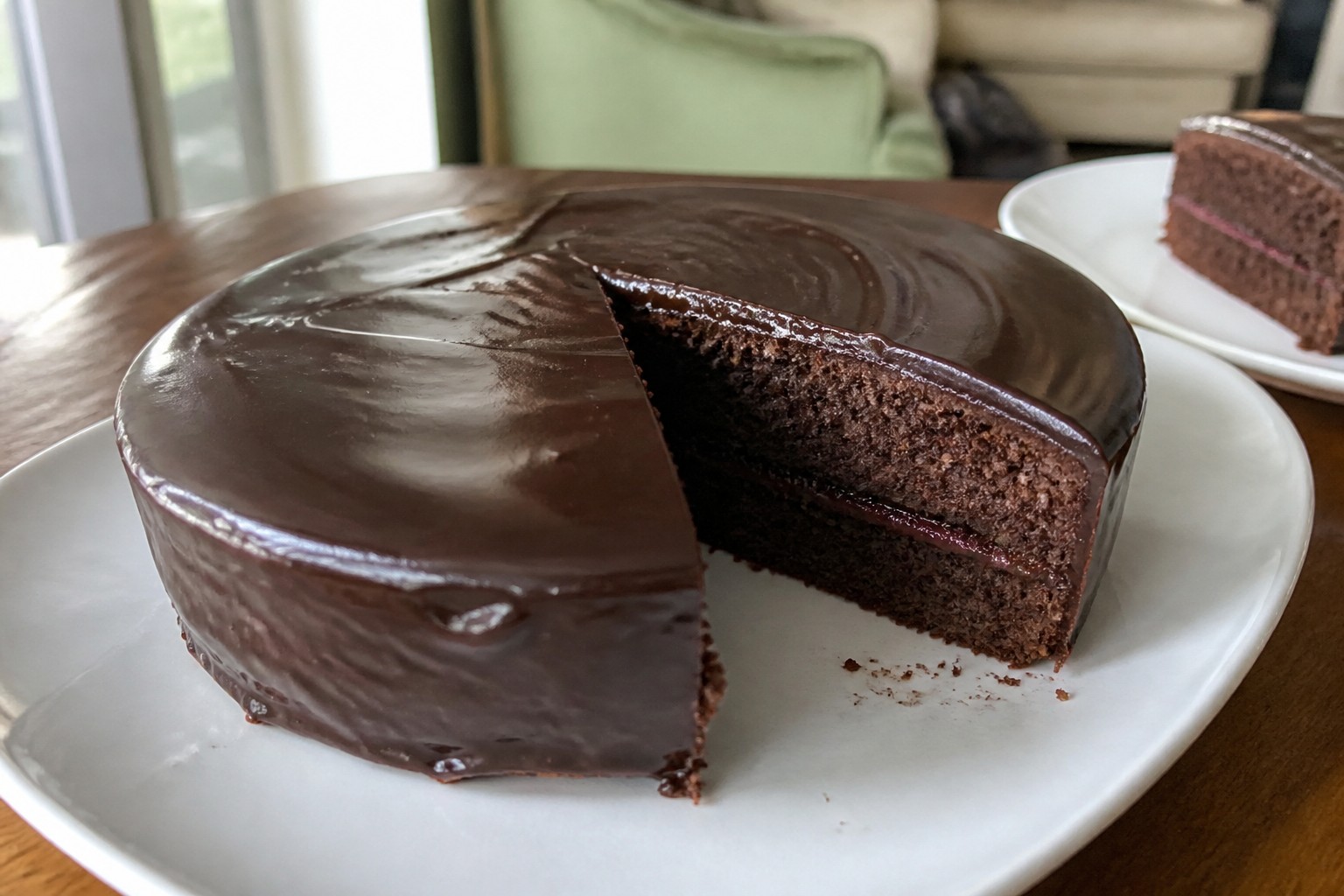
A good home Sacher cake is built in layers: a chocolate sponge that stays tender, a thin strained apricot layer, and a glaze poured while fluid. It should taste deeply chocolatey rather than overly sweet, with the jam adding acidity.
Start with the outcome, not a rigid rule
When people search for Sacher cake recipe: a vienna-style chocolate apricot cake at home, they usually want a confident result and a way to recognise it while they work. The useful approach is to decide what the finished cake should do: slice cleanly, keep a tender crumb, and let the dark chocolate and apricot read as separate flavours. That outcome gives you better decisions than copying a single timing or treating every oven, pan and jar of jam as identical. A good home Sacher cake is built in layers: a chocolate sponge that stays tender, a thin strained apricot layer, and a glaze poured while fluid. It should taste deeply chocolatey rather than overly sweet, with the jam adding acidity.
The variables that change the result
Chocolate cakes magnify small choices. Pan diameter changes the depth of the batter; oven heat changes how quickly the outside sets; the water content of jam changes how easily it spreads; and a few degrees can change a glaze from fluid to stubborn. Put the recipe beside your own equipment, then watch the signals the food gives you. This does not mean improvising at random. It means using visual and texture cues alongside the written method, especially at the stages where the cake cannot be easily reset.
A three-part working plan
- Bake the sponge until the centre springs back and a skewer has only a few damp crumbs. Cool it completely before slicing; warmth makes the crumb tear and melts the jam.
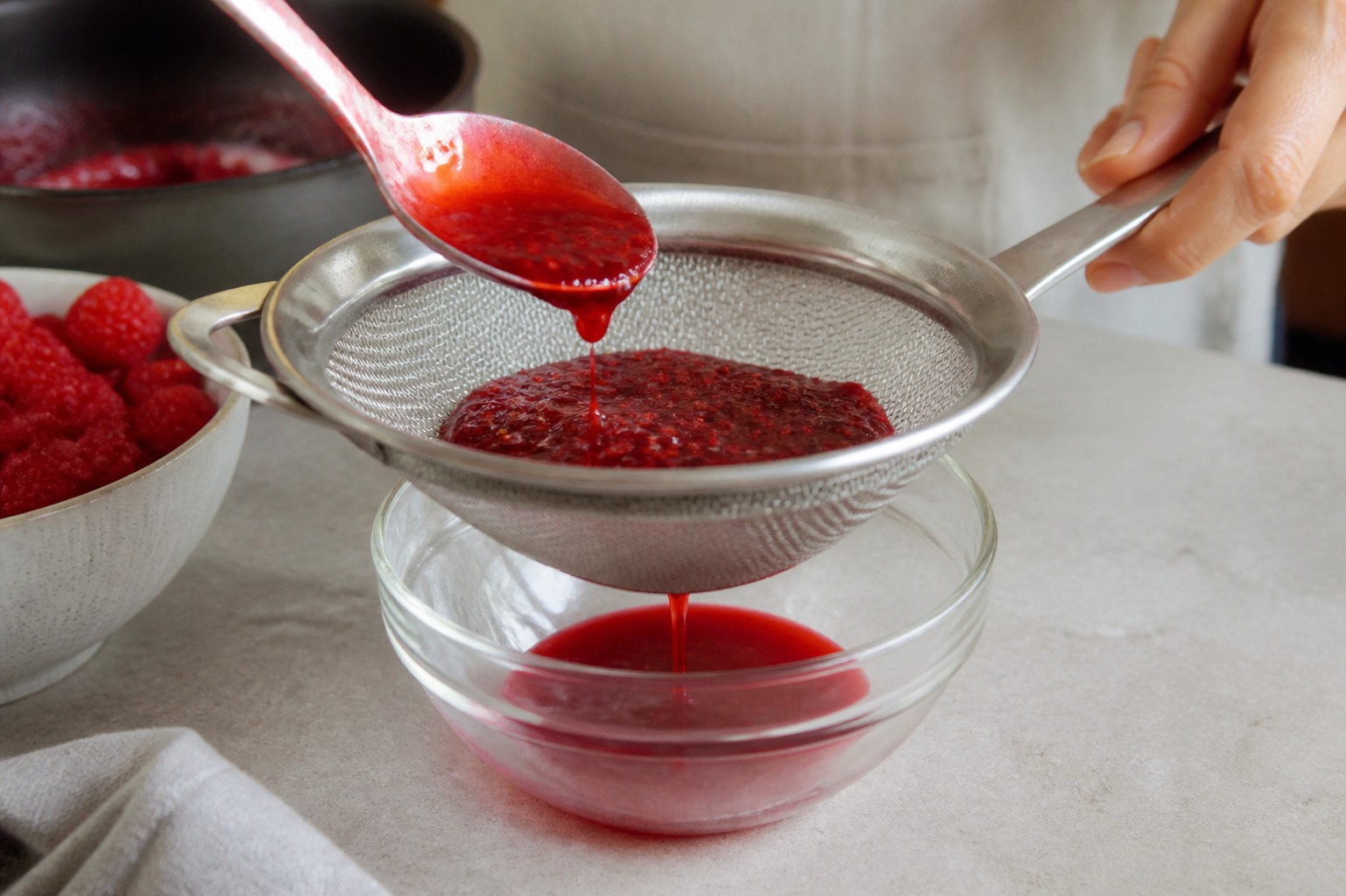
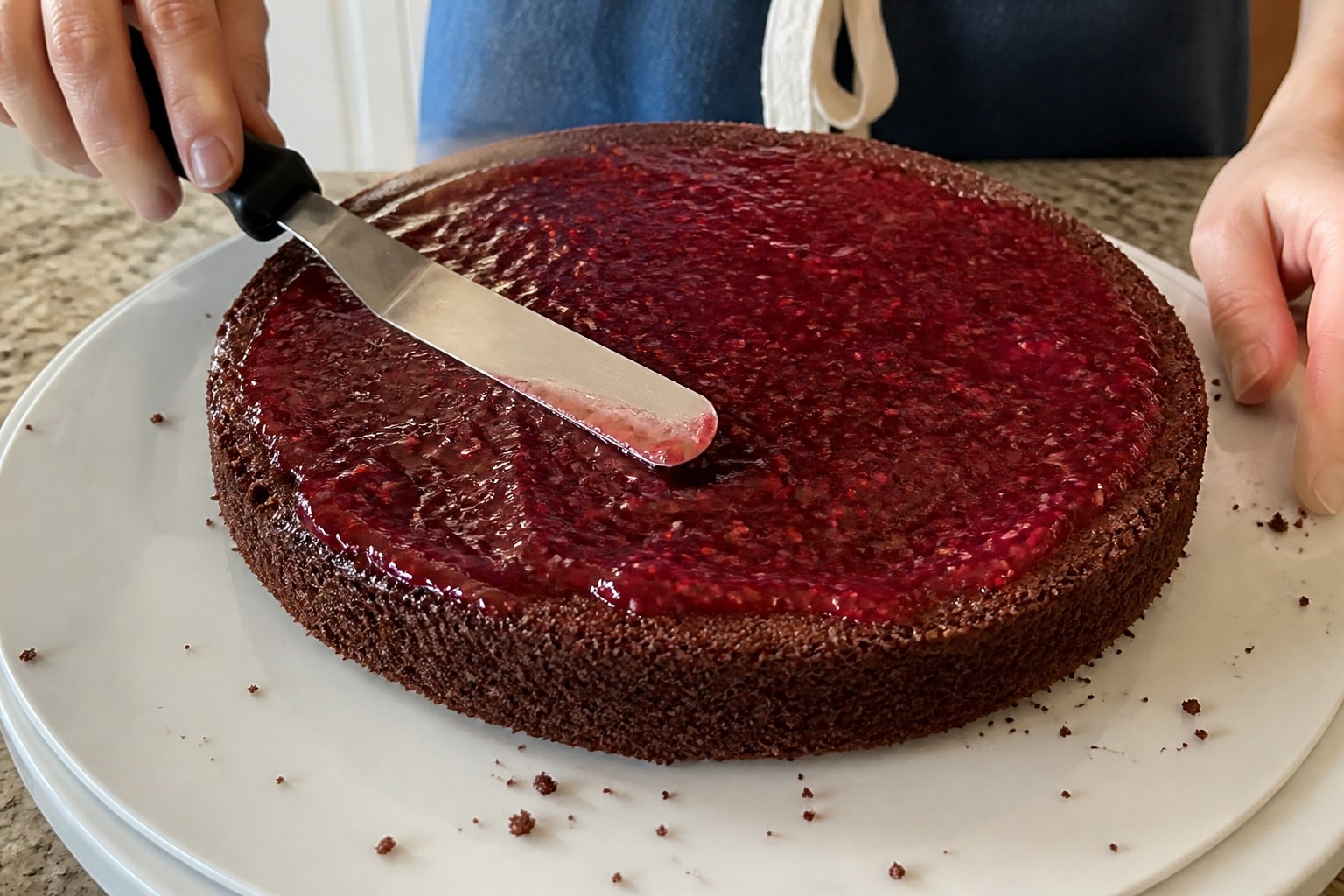
- Warm apricot preserves just enough to pass through a fine sieve. Brush a modest layer over the cut side, reassemble, then coat the outside lightly so the glaze has an even surface.
- Let the chocolate glaze cool only until it flows in a continuous ribbon. Set the cake on a rack, pour from the centre, and nudge the excess toward the edge rather than repeatedly smoothing it.
A calm, repeatable method
Work in stages rather than trying to finish everything at once. Prepare the pan and tools first, make one component at a time, and allow the sponge to cool before any cutting, filling or coating. Keep the workspace dry around chocolate and use a small palette knife, brush or spoon only when it improves control. If a step begins to look rough, pause before adding more: a thin correction is usually safer than a heavy second layer.
What readers often get wrong
The most common mistake is treating a Sacher cake like a frosted layer cake. Its appeal is restraint: enough jam to brighten the chocolate, enough glaze to give a clean finish, and enough time between stages for the structure to settle. Another frequent problem is chasing appearance by overworking the surface. A natural, slightly imperfect home finish is better than a glaze repeatedly scraped until it becomes dull or a sponge pressed flat while trying to level it.
How to judge success before serving
Look for a cake that is stable at room temperature, a jam layer that does not squish out at the cut edge, and chocolate that breaks or yields cleanly instead of smearing. The first slice is the best diagnostic: if it pulls, warm and wipe the knife; if the crumb looks dry, pair the slice with cream or fruit and adjust the next bake rather than burying the issue under extra topping. A good guide gives a reader these decisions, not just a list of ingredients.
| If you notice | Try this first |
|---|---|
| The surface looks uneven | Stop adding layers and let the current one settle. |
| The cake feels fragile | Cool it fully before moving, cutting or glazing. |
| The flavour is too heavy | Use the apricot element sparingly for contrast, not sweetness. |
How to make the guidance work in a real kitchen
A useful Sacher cake guide has to leave room for the equipment and ingredients in front of you. Chocolate percentages differ, apricot preserves range from loose to almost set, and a fan oven can behave very differently from a conventional one. Instead of forcing every kitchen to match a photograph, make a short observation at each transition: is the sponge cool enough to cut without tearing; is the jam thin enough to brush; does the glaze move before it begins to set? That single observation tells you whether to continue, wait, or make a small adjustment. It is more dependable than treating a minute on a timer as a guarantee.
Work cleanly but not anxiously. Keep the cake on a stable board or rack, wipe away an accidental drip only after it has stopped moving, and use a smaller amount of jam or glaze than you think you need at first. You can always add a little; taking a saturated layer away is much harder. The same principle helps when slicing. A narrow blade warmed in hot water and dried fully will travel through the set chocolate with far less drag. After every cut, wipe it clean so crumbs from the previous slice do not mark the next one.
There is also a difference between a harmless imperfection and a useful warning. A fine crack that will be sealed with jam is usually cosmetic. A cake that feels wet at its centre, a glaze that looks separated, or a storage container that gathers condensation deserves a pause. Let temperature equalise, check the cake’s structure, and avoid covering a surface while it is still warm. The aim is not a restaurant display piece. It is a home cake with a clear chocolate flavour, a controlled apricot note, and a texture that feels intentional from the first slice to the last.
Plan the order of operations
Set out the pan, parchment, cooling rack, small bowl for jam, brush, knife and serving plate before you start. This reduces the rushed moments that tend to cause damage: turning out a cake while looking for a rack, trying to spread jam with the wrong tool, or letting a glaze thicken while the work surface is still being prepared. Once the sponge is baked, cooling is an active step in the process, not idle time. Use it to prepare the next component and to decide how you want to serve the finished cake.
For a simple home presentation, let the cake itself remain the focal point. A little unsweetened or lightly sweetened cream on the side, if desired, gives diners a choice without hiding the glaze. Keep fresh fruit restrained so it supports the apricot rather than competing with it. These choices also make leftovers easier to store because the cake remains separate from wet toppings. The result is a repeatable approach that respects the familiar Sacher profile while remaining honest about the variables of a non-professional kitchen.
Questions readers ask
Is this the protected Original Sacher-Torte recipe?
No. This is an independent home guide to a Vienna-style chocolate and apricot cake. The protected Original Sacher-Torte is associated with Hotel Sacher.
Can I change one ingredient?
Usually, but change one variable at a time. A substitution that changes moisture, fat or acidity can affect both the sponge and the glaze.
What matters most for a neat slice?
Let the cake settle, use a thin knife, and wipe and warm the blade between cuts when the glaze is firm.