Breakfast · cereal guide · updated August 2026
Trix Cereal: Bowl Ideas, Snack Mixes and Label Checks for a Fruity Cereal
This is not a verdict on one box. It is a repeatable way to make a useful choice: read the current label, set a portion you would actually eat, and add what makes the bowl satisfying for you.
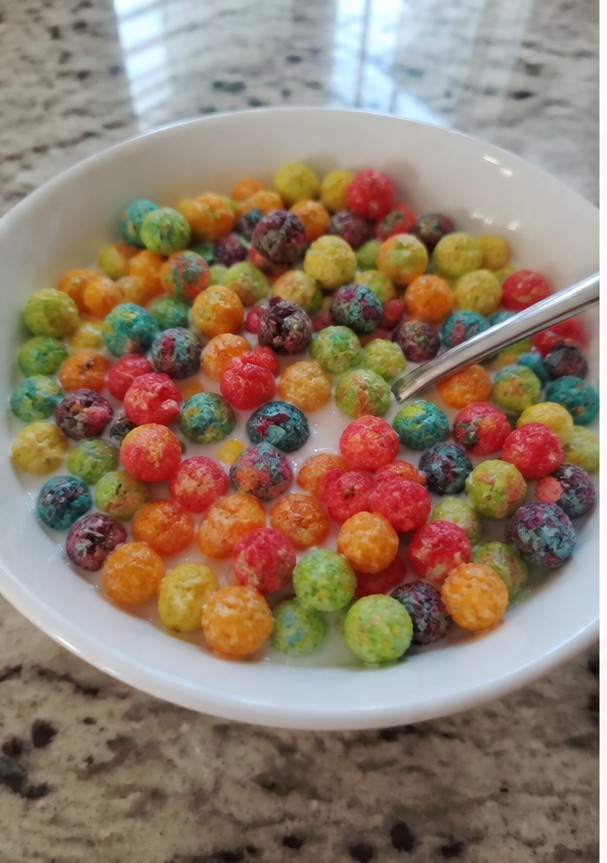
A plain, measured bowl is the easiest starting point for judging texture and portion before extras go in.
Quick answer
Start with the box in your hand, then build the bowl around the reason you are eating it.
Trix cereal is most useful when you decide whether this is breakfast, a dry snack, or one element of a bigger meal. For any named product, the current package—not an old review—is the authority for ingredients, allergens and serving information.
What people usually want to know about Trix cereal
A broad product search can look simple, but it usually hides several decisions. Someone may be checking the flavor, looking for a current box, comparing nutrition panels, wondering whether it fits an allergy-related need, or trying to make breakfast less repetitive. This guide focuses on how to serve a colorful sweet cereal in ways that are fun but still intentional about portions and current ingredients. That distinction matters: a product name alone does not explain a person’s goal.
Start by naming the occasion. A rushed weekday bowl, a child’s after-school snack, a late-night crunchy craving and a recipe ingredient are not the same job. When you choose the job first, you stop expecting one cereal to solve every nutrition question and can make a better comparison between products.
The useful visual cue is texture. fruit-flavored cereal puffs may feel light in the bowl, but its volume, sweetness and crunch can make it easy to eat quickly. A small bowl, a spoon and a short pause before a refill reveal more than a front-of-box promise ever will.
Read the current label in a practical order
Turn the box around before judging it. The serving size tells you what the rest of the panel refers to, but it is not an instruction that every adult, child or occasion must use that exact amount. Use it as a comparison unit, then choose a portion that makes sense for your breakfast and appetite.
First, check ingredients and allergens
Ingredients are listed by weight. That does not turn the list into a scorecard; it gives you concrete information about what is in the product. If you are managing an allergy, celiac disease, a medical diet or an infant-feeding concern, treat the exact packaging and professional guidance as primary. Online ingredient lists can be incomplete, old or from another country.
Then compare the numbers that affect your decision
Protein, fiber, sugars, sodium and calories can each be relevant, but their meaning depends on the portion and the rest of the meal. Compare like with like: two dry cereals at their listed serving sizes, or two bowls built the way you would actually eat them. Price per ounce and how quickly a household finishes a box belong in the decision too.
colors, flavors, formulas and allergens can change by market. That is not a minor footnote. It is the difference between using a guide as a starting point and relying on it as an outdated product label.
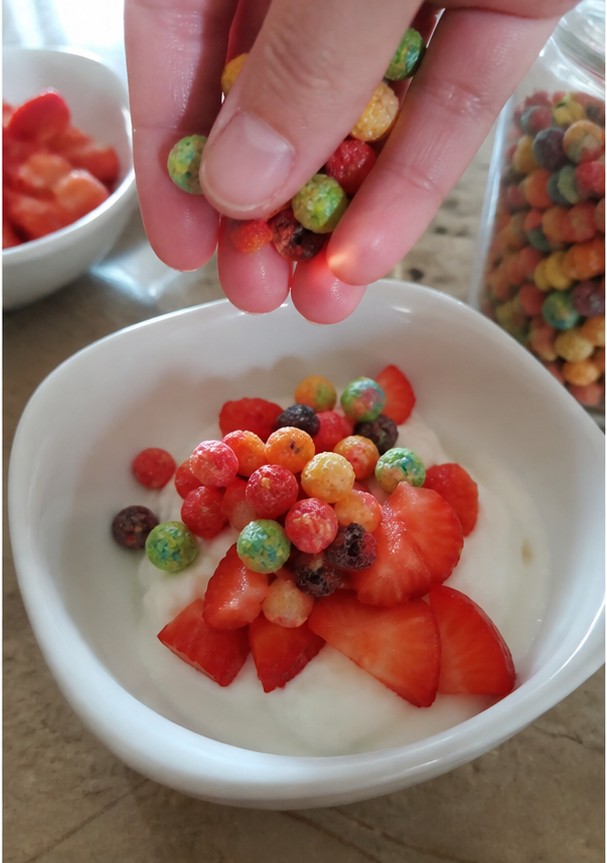
Adding cereal to yogurt and fruit changes the role of the cereal: it becomes one crunchy component rather than the whole breakfast.
Build a bowl that matches your morning
There is no mandatory formula, but a bowl becomes more useful when it has a clear job. If you enjoy a lighter, quick breakfast, cereal with milk and fruit may be enough. If you need a longer-lasting meal, plain yogurt, fruit, or a measured snack mix can make the bowl more satisfying. The goal is not to disguise cereal; it is to make the meal fit your day.
For a fast weekday breakfast
Put the cereal in a smaller bowl first, then add milk at the table. This preserves crunch and makes it easier to stop at a portion you intended. Add fruit on the side if you prefer the cereal texture to stay dry. A cup of yogurt, eggs, or another protein-containing food can be served separately instead of piled into one oversized bowl.
For an afternoon snack
Dry cereal is often more portable and more satisfying when it is deliberately portioned into a small container. Pair it with fruit, cheese, a beverage or another snack according to your needs and dietary restrictions. Eating directly from the box makes it hard to notice when a quick handful has become a second meal.
For a recipe or topping
Use the exact cereal specified when texture matters. Crisp rice, puffs, loops, squares and filled pieces react differently to milk, heat and moisture. If you substitute, test a small amount first. Keep a simple note of what worked, especially when a product has a strong flavor or fragile shape.
Why portions are easier to judge by sight than by memory
Cereal bowls are deceptive. A wide shallow bowl can look full with less food, while a deep bowl can hide a large pour. Use the nutrition panel as a reference once, measure a typical serving into your own bowl, and notice the visual. You do not need to measure forever; you are calibrating your eye.
That calibration is especially useful for airy cereal. A piece may feel small, but dozens of pieces can add up quickly. Conversely, a heavier cluster cereal may look like less volume while weighing more. Neither is good or bad by itself. The point is to make the serving decision consciously rather than letting bowl size make it for you.
If several people in the house eat the same cereal, keep a scoop or a favorite small bowl nearby. It reduces guesswork and prevents the box from disappearing before anyone realizes how much was poured.
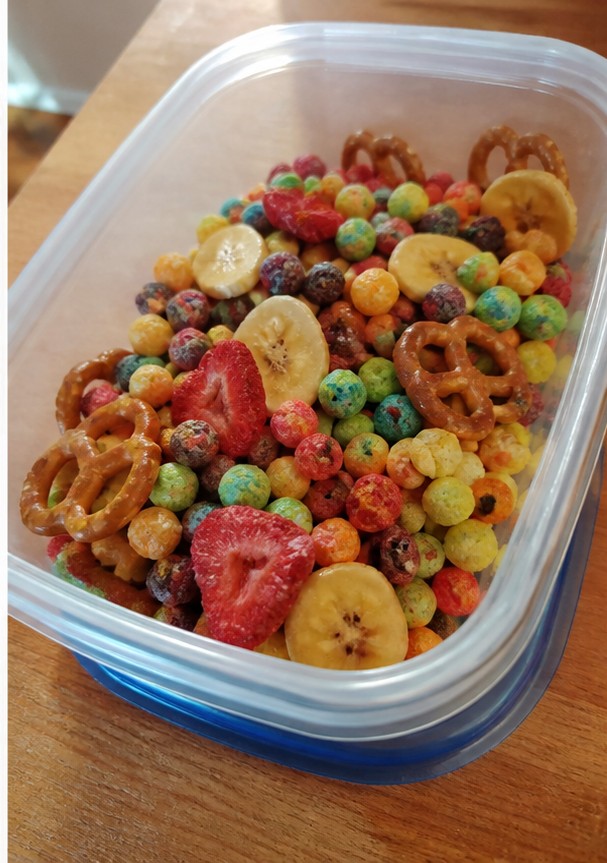
A planned snack mix is one practical use for cereal’s crunch; keep moisture away if you want it to stay crisp.
Use cereal outside the breakfast bowl
Cereal can offer crunch in a snack mix, on a yogurt bowl or as a topping, provided the texture suits the job. Dry pieces are easiest to use when you keep wet ingredients separate until serving. For a snack mix, choose additions with a similar dryness: pretzels, seeds, toasted nuts where appropriate, or dried fruit. Store it in a sealed container and make a small batch first.
For a yogurt topping, add the cereal at the last moment. This keeps the contrast between creamy and crisp, and it allows a smaller amount to feel intentional. For a packed lunch or a travel snack, use a separate compartment rather than mixing cereal with juicy fruit early in the day.
A cereal topping is not a reason to make every meal sweeter. Match the flavor profile to the food under it. Mild cereal can work as a neutral crunch; strongly flavored cereal is usually better in a dessert-style bowl or a simple snack where its flavor is clear rather than competing with dinner.
Storage: keep the crunch you paid for
Most texture problems begin after the box is opened. Fold the inner bag tightly, clip it closed, and keep the box in a cool, dry cupboard away from steam. A decorative jar is only helpful if it seals well and you transfer the cereal before it goes stale. Do not put cereal in the refrigerator; humidity can work against crispness.
Before buying a large box, consider how quickly it will be eaten. A value size is only a value when the household can keep it fresh. If a box is going stale, use it as a dry topping or in a snack mix only if its smell, taste and condition are normal. When in doubt, follow the package date and discard food that seems off.
A five-minute comparison that prevents a bad buy
When two boxes look equally appealing, use the same order every time. Start with the serving size, then compare the ingredients and allergen statement, then look at the nutrition facts in the context of the amount you would really pour. Last, check price per ounce and how many breakfasts or snacks the box will realistically provide. This protects you from a common supermarket mistake: choosing the product with the loudest front-panel claim while overlooking the information that affects your household.
Write down the two or three details that actually matter to you. It might be a specific allergen, an explicit gluten-free statement, protein, fiber, a familiar flavor, a budget limit, or whether the cereal stays crisp long enough for a child to finish breakfast. A useful list is personal and short. Ten rules you cannot follow are less valuable than three you will use every time you shop.
Do not compare products by a single nutrient without checking the rest of the panel. A cereal can be higher in protein yet cost much more per serving; another can be familiar and convenient but need a more substantial side. There is room for both decisions. The point of comparison is not to crown a winner for everyone. It is to choose the right box for this week’s breakfasts, snacks and budget.
Use a label photo carefully
Taking a photo of a label can help you remember a product, but do not treat an old photo as permanent. Manufacturers change recipes, package sizes and claims. Use it to narrow choices, then read the physical package before purchasing. This is especially important for allergy-related, gluten-free and infant products, where a small wording difference can matter.
A simple seven-day way to use one box without getting bored
Variety does not require seven different cereals. On two mornings, use a straightforward bowl and serve fruit or another breakfast item on the side. On two days, add a measured crunchy topping to plain yogurt just before eating. Keep one portion for a dry snack. Use another in a small snack mix. Save the remaining cereal for the breakfast that genuinely sounds good rather than forcing a plan you will abandon.
This approach has two advantages. First, it lets you see whether the box works in more than one context. Second, it keeps the cereal from becoming an automatic oversized bowl just because it is convenient. If you reach for the same box only when it is dry and portable, that tells you something useful about the next purchase. If everyone prefers it with milk but it turns soft too quickly, choose a smaller serving or a different texture next time.
For a household, keep the base cereal separate and put add-ins in small bowls: sliced fruit, yogurt, seeds or other ingredients appropriate for the people eating. That avoids a single heavily loaded mix that someone does not want. It also makes it easier to accommodate preferences without buying several nearly identical boxes.
Three mistakes that make cereal less satisfying
Pouring before deciding the job. A snack portion, a breakfast bowl and a recipe ingredient should not start with the same amount. Choose the occasion first, then choose the container. A small snack container signals a different serving than a family-size bowl.
Adding milk too early. If crunch matters, add milk or yogurt right before eating. If you are packing breakfast, carry wet and dry components separately. This is a simple detail, but it prevents the soggy-bowl disappointment that makes people think a cereal is worse than it is.
Using an online product page as an allergen guarantee. Product pages are useful for discovery, but the box in your hand is the relevant source. If an allergen, gluten-free claim, infant feeding decision or a medical condition is involved, follow the current package and qualified professional advice rather than an old screenshot or a general blog post.
Take a practical shopping note with you
A good cereal decision is easier when it is made before you stand in the aisle. Keep a short note in your phone with the preferences that have proved useful at home: the cereal texture people actually finish, ingredients or allergens that matter, whether you want a breakfast staple or a treat-style snack, and the price range that feels reasonable. This turns a vague search into a repeatable buying decision.
When you find a possible box, take thirty seconds to compare it to that note. Does the serving size make sense for the way the household eats? Will it stay fresh before the box is finished? Is it a cereal people will enjoy with milk, dry, or as a topping? Can it be stored safely and separately from moisture? These grounded questions are more useful than looking for a universally best cereal.
Finally, plan the first use before you buy. Decide whether the first bowl will be simple, whether fruit or yogurt belongs alongside it, and whether any leftovers have a purpose as a dry snack mix. This small plan reduces waste and makes the article’s advice practical: the best cereal choice is a current, clearly labeled product that fits your actual meal, budget and routine.
The one-minute finish
Before serving, pause for one practical check: is this bowl doing the job you intended? If it is breakfast, make sure the portion and companion food feel satisfying. If it is a snack, transfer it out of the box. If it is a recipe ingredient, keep it dry until the last useful moment. This tiny decision protects texture, reduces accidental over-pouring, and makes a familiar cereal more useful without turning breakfast into a project.
Common questions
Is Trix cereal a healthy breakfast?
No single product answers that question in isolation. Check the current label, decide on a portion, and look at what else you are eating that morning. A breakfast can be simple and still suit you.
Can I use it as a snack?
Yes, if the texture and ingredients work for you. Portion it first and pair it intentionally if you need a more filling snack.
Why does the label online look different from my box?
Products can change, retailers can list an older version, and markets can differ. Trust the physical package you are buying, especially for ingredients and allergens.
What is the best way to keep it crunchy?
Keep the inner bag sealed, store it dry, and add milk or yogurt only when you are ready to eat.