Pancake troubleshooting
Why Are My Pancakes Not Browning?
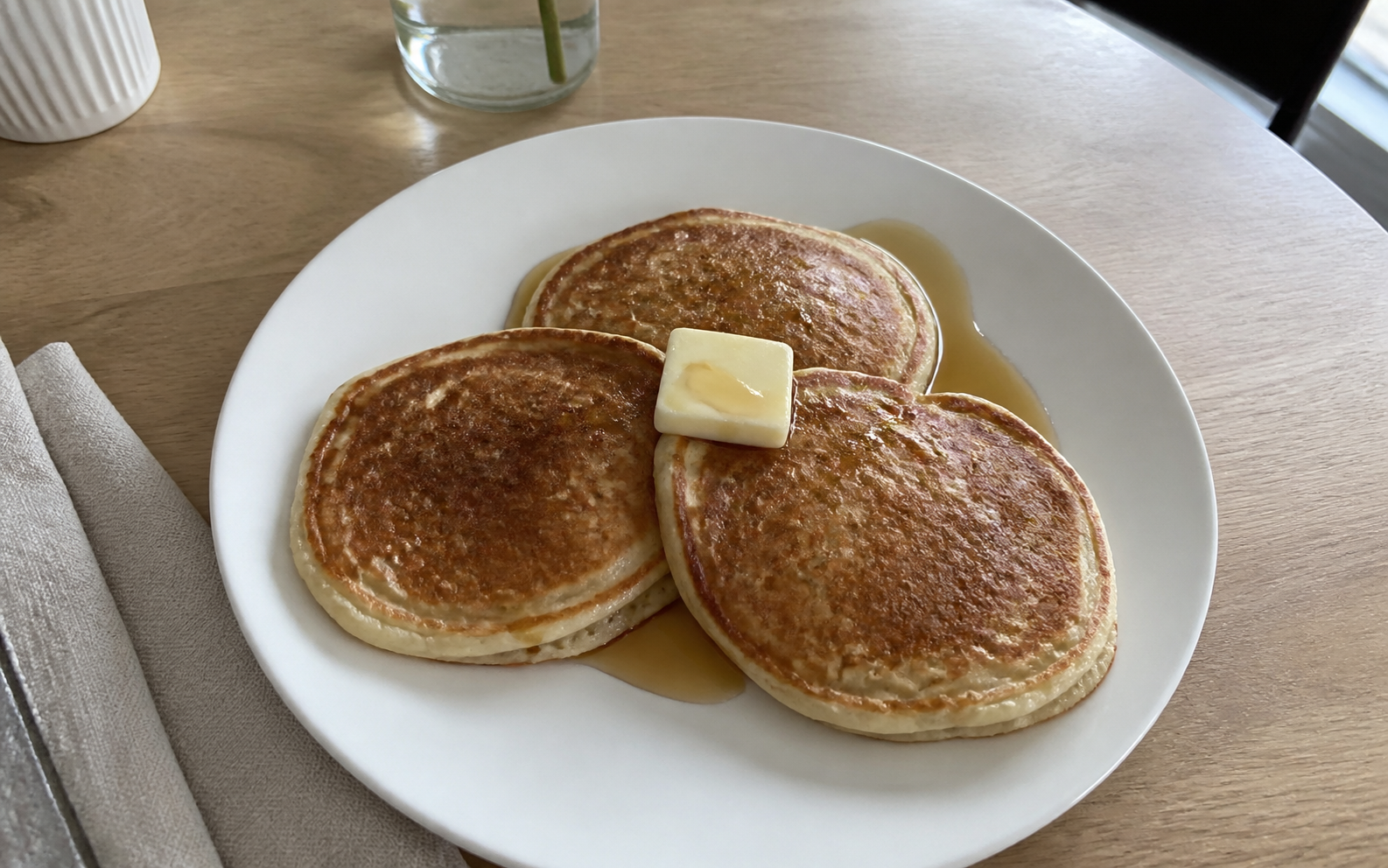
If your pancakes stay pale, white or patchy instead of turning evenly golden brown, check the pan temperature first. A skillet that has not preheated enough can cook the batter without developing much color. If the heat seems right, look next at excess butter or oil, hot spots, poor pan contact and the batter itself.
Quick answer
Start with heat, not extra sugar. Preheat the pan properly and use a moderate cooking temperature. If pancakes cook through but remain pale, check whether too much fat is preventing even contact with the pan. If they brown only in spots, suspect uneven heat or an irregular layer of butter or oil.
7 Reasons Pancakes Stay Pale or Do Not Brown
| Cause | What you may see | What to try first |
|---|---|---|
| 1. Pan is not hot enough | Pancake cooks slowly but stays light. | Give the pan more preheating time or raise heat slightly. |
| 2. Pan was not preheated | The first pancake is especially pale or greasy. | Let the empty pan stabilize before adding batter. |
| 3. Too much butter or oil | Mottled, fried-looking or patchy color instead of a smooth golden face. | Use a very thin film of fat; wipe away obvious excess. |
| 4. Uneven pan or burner heat | The same areas repeatedly turn dark while others remain pale. | Rotate the pan and test another burner or pan if needed. |
| 5. Poor surface contact | Only raised spots brown. | Avoid moving the pancake and use a flat cooking surface. |
| 6. Batter composition changed | A familiar method suddenly produces less color after ingredient substitutions. | Compare the altered recipe with the original before adding random ingredients. |
| 7. You expect both sides to match | First side is smooth and golden; second side is lighter and speckled. | This can be normal because the second side contacts the pan differently. |
Diagnose Pancake Browning by Appearance
Pale all over
Start with insufficient heat or incomplete preheating.
Dark spots, pale background
Check hot spots and excess butter or oil.
First side perfect, second side pale
Often normal; the second surface is less flat after the pancake sets.
Edges dark, center pale
Look at pan contact, heat distribution and pancake shape.
How to Make Pancakes Brown More Evenly
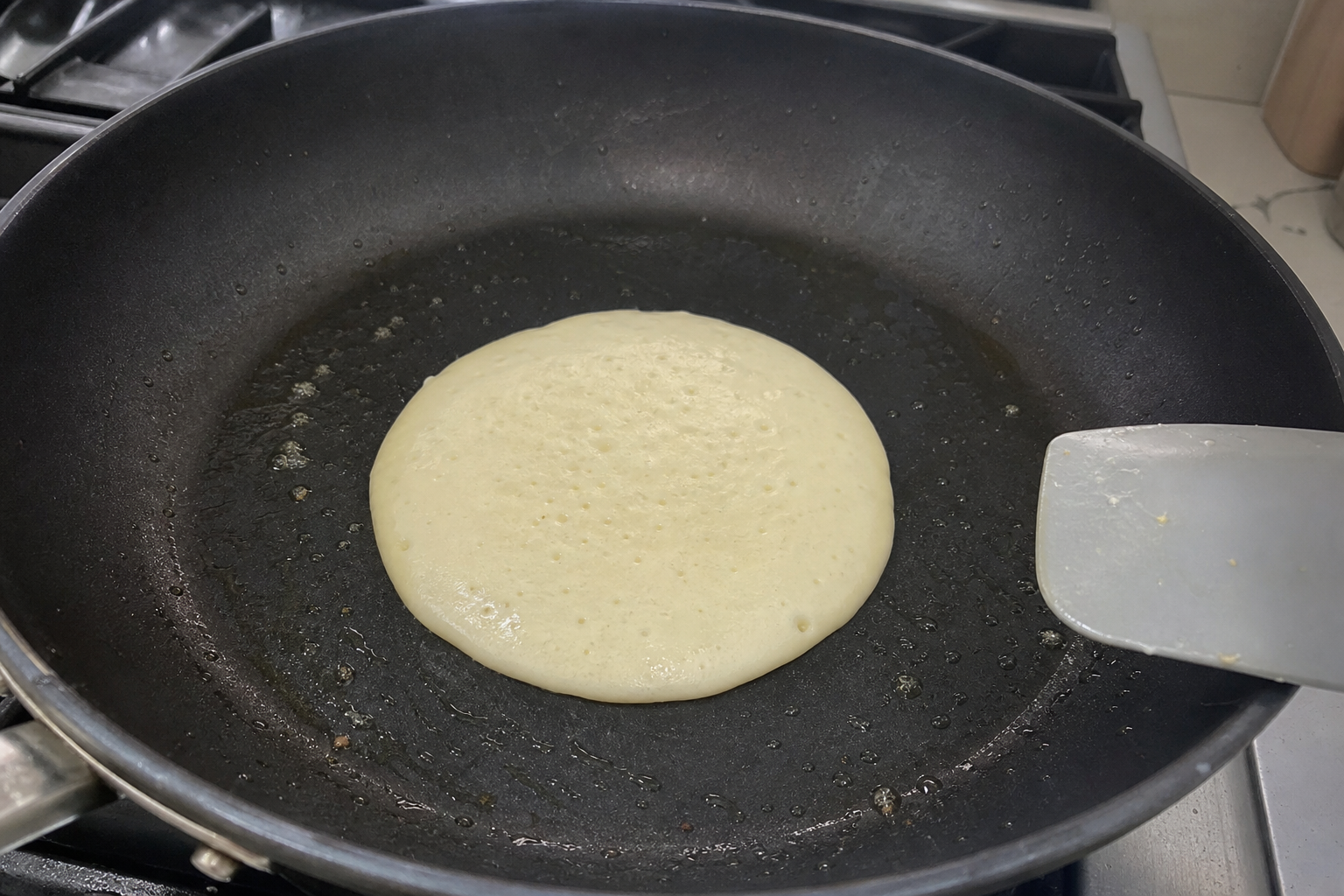
Preheat before the batter goes in
Give the skillet time to reach a stable temperature. A cold-start pancake can set slowly and absorb more surface fat before good browning begins.
Use moderate heat
Too little heat produces pale pancakes; excessive heat creates dark spots before the center is ready. Adjust in small increments instead of jumping from low to high.
Keep the grease layer thin
If you use butter or oil, spread it into a very light film. Pools of fat change how the pancake contacts the pan and can produce a mottled surface.
Calibrate with one pancake
Treat the first pancake as feedback. If it is pale, increase heat slightly and allow the pan to recover before the next one.
Change one variable at a time
Do not simultaneously add sugar, change pans and raise the burner. A single-variable correction tells you what actually solved the problem.
Why Are My Pancakes Browning Unevenly?
Patchy browning is not the same problem as a uniformly pale pancake. If some areas become very dark while nearby areas stay light, the pan may have hot spots or the fat may be distributed unevenly. Home cooks reporting the same repeated dark areas on a griddle often identify uneven pan or burner heating as the pattern to investigate.
Why Is the Second Side of a Pancake Lighter?
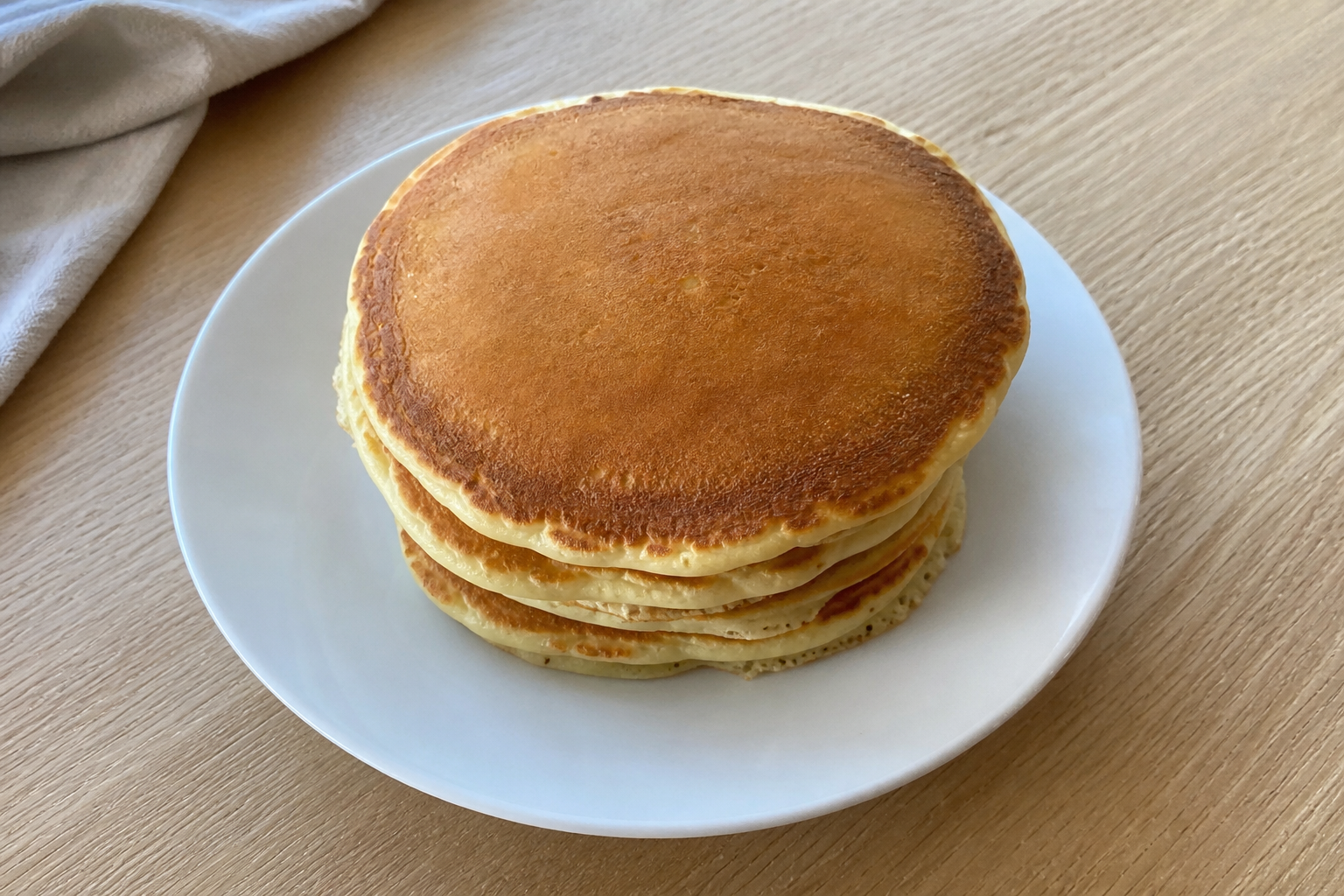
The two sides do not cook under identical conditions. When raw batter first hits the pan, it spreads into broad, flat contact with the surface. By the time you flip it, the pancake has risen and set, and bubbles have changed the texture of the second side. That can leave less continuous contact and a more speckled appearance.
So if the first side is evenly golden and the second is lighter with brown islands, you may not have a problem at all.
Can the Batter Stop Pancakes From Browning?
Yes, ingredient changes can alter browning, but do not rewrite a working recipe before checking the pan. Browning involves reactions between heat and components in the batter, including proteins and sugars. If you recently substituted the milk, flour, sweetener or another major ingredient and the color changed at the same time, compare batches before assuming the cooking technique is at fault.
For a standard recipe that used to brown correctly, pan heat and surface conditions are usually more useful first checks than adding extra sugar solely for color.
Why Is the First Pancake Always Pale?
If later pancakes brown better than the first, the pan may simply be reaching a more stable temperature as you cook. Preheating longer can reduce that difference. The amount and distribution of the initial butter or oil can also make the first pancake look different from the rest.
Fast Troubleshooting Table
| If your pancakes... | Check first | Next move |
|---|---|---|
| Stay completely pale | Pan temperature | Preheat longer / raise heat slightly |
| Brown only in random spots | Surface fat | Use a thinner, more even film |
| Brown in the same spots every batch | Pan or burner hot spots | Rotate pan or compare another pan |
| Look good on side one only | Second-side contact | Usually accept the natural difference |
| Changed color after a recipe substitution | Batter composition | Compare with the original recipe |
Frequently Asked Questions
Why are my pancakes white instead of golden brown?
Check whether the pan is hot enough and fully preheated. If the pancakes are cooking through but staying pale, also review the amount of fat on the cooking surface and any ingredient substitutions.
Should I turn the heat up if pancakes are pale?
Usually a small increase is more useful than a dramatic jump. Very high heat can replace pale pancakes with burnt patches and an undercooked center.
Does butter make pancakes brown?
Butter can contribute flavor and color, but too much between the pancake and pan can also create an uneven, mottled surface. Use only as much as your pan and recipe need.
Why do my pancakes brown in spots?
Look for uneven heat, hot spots and an irregular layer of fat. If the same patches repeat on multiple pancakes, investigate the pan or burner.
Why is only one side of my pancake evenly brown?
The first side starts as fluid batter and makes flatter contact with the pan. The second side has already risen and set, so its contact can be less uniform.
Can low heat make pancakes pale?
Yes. If the surface temperature is too low, the pancake can cook without developing the golden color you expect.
Bottom Line
For pale pancakes, troubleshoot the cooking surface before changing the recipe. Preheat the pan, use moderate heat and keep butter or oil to a thin, even film. If the color is patchy rather than uniformly pale, look for hot spots and uneven contact. And remember: the second side does not need to look identical to the first.