Crepe troubleshooting
Why Do My Crepes Tear? 8 Causes and Easy Fixes
Crepes usually tear because they are flipped before the first side has enough structure, the batter is not spreading correctly, or the crepe is sticking to the pan. Start with timing: wait until the surface has set and the edge releases. If every crepe still tears, check batter consistency, pan heat and lubrication.
By Home Cook Harvest Editorial Team · Published August 3, 2026 · Verified August 3, 2026
Quick diagnosis
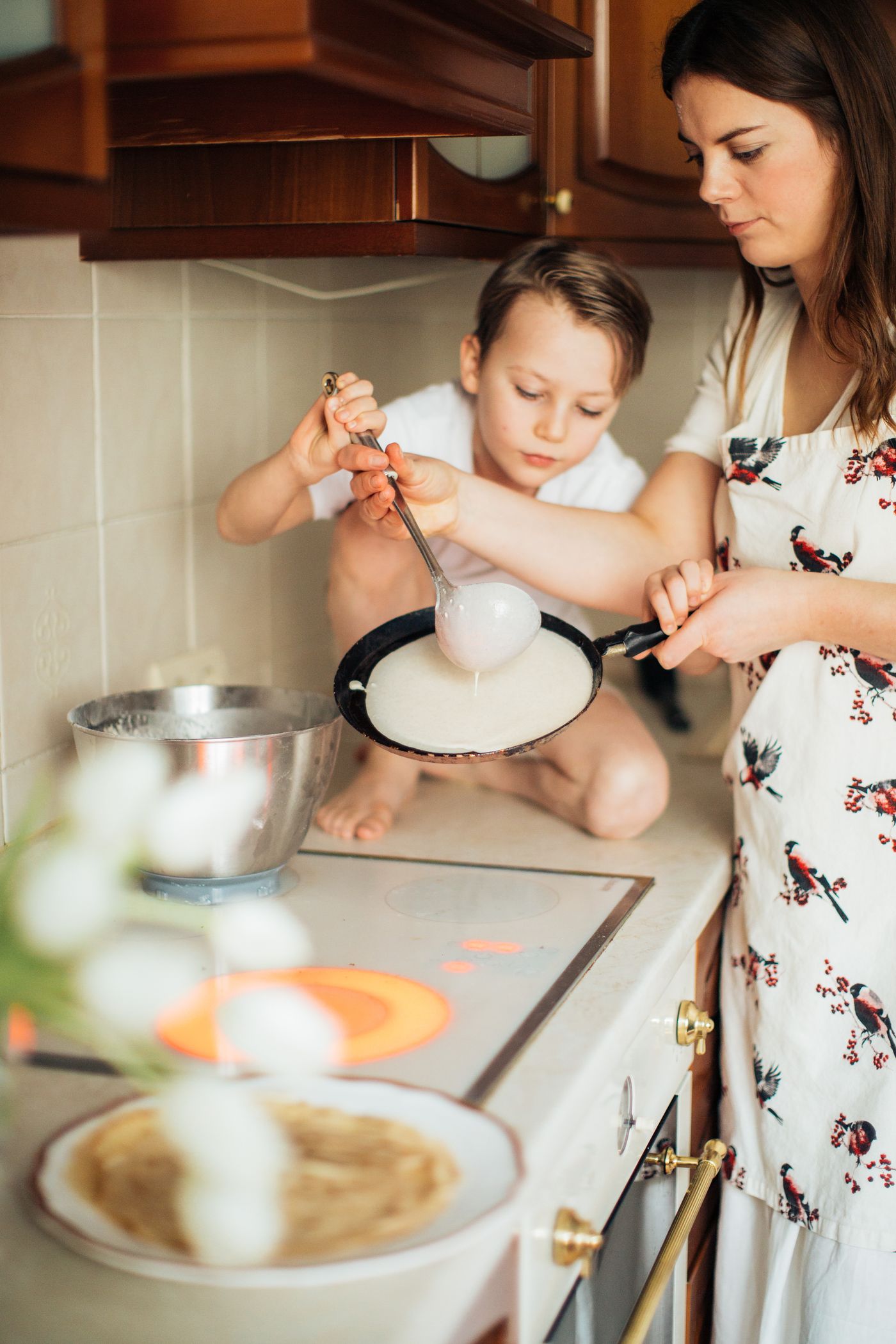
Tears while flipping: wait longer and loosen the edge first. Sticks and tears: clean and lightly grease the pan. Every crepe tears: check batter consistency and heat. Splits when folded: check overcooking and filling weight.
8 Reasons Crepes Tear
1. You flip too early
The first side has not formed enough structure to support itself.
2. Batter is too thick
It can set before spreading evenly, creating weak thick-and-thin areas.
3. Batter is too thin
An excessively diluted batter can produce a fragile film.
4. Pan is too hot
The surface can set before the crepe cooks evenly enough to release.
5. Crepe sticks
Pulling a stuck crepe concentrates stress and tears it.
6. Batter did not rest
Resting hydrates flour and helps create more consistent batter.
7. Flipping tool is too aggressive
A thick or narrow utensil can puncture rather than support the crepe.
8. Crepe is overcooked
A dry crepe may flip but crack later when folded or rolled.
The Most Common Fix: Do Not Flip Too Early
Wait until the first side has visibly set. The top should no longer look broadly wet, the perimeter should look cooked and part of the edge should release when gently nudged. Established French-crepe guidance similarly recommends letting the edges set before turning.

A thin spatula should slide beneath a crepe that has already set; it should not have to scrape a wet crepe from the pan. If the center stretches when lifted, give it a little more time.
| What you see | Flip? | Why |
|---|---|---|
| Wet shine across top | No | First side still needs structure |
| Edge set, center very wet | Wait | It may stretch and split |
| Surface set, edge loosens | Yes | Good release cue |
| Dark brittle edge | Now | You may already be overcooking |
Check Crepe Batter Consistency
Crepe batter should be fluid enough to spread into a thin continuous layer before it sets. If it is too thick to travel around the pan, add milk or water gradually according to your recipe and test again. Do not overcorrect: extremely watery batter can create a fragile crepe.
Does Resting the Batter Help?
Yes. Resting gives flour time to hydrate and can improve tenderness and consistency. A 30-minute rest is common in established crepe recipes, with some recipes allowing longer refrigerated rests. Resting cannot fix a dirty pan, a badly unbalanced recipe or a flip attempted while the crepe is still wet.
Pan Heat, Butter and Sticking
A crepe that will not release is likely to tear when forced. Keep the cooking surface clean, use a light film of butter or oil where appropriate and avoid excessive heat. Residue from previous crepes can also create isolated sticking points.
| Pan symptom | Likely issue | Adjustment |
|---|---|---|
| Batter sets before swirling | Too hot / batter too thick | Reduce heat and check consistency |
| Crepe bonds to surface | Surface prep or residue | Clean and lightly grease |
| Stays pale and wet too long | Pan too cool | Increase heat gradually |
| Clean release, gradual browning | Good zone | Keep setup consistent |
How to Fix Crepes That Keep Tearing
Cook one diagnostic crepe
Notice whether it sticks, stretches, cracks or tears at the spatula.
Wait for the first side to set
Look for a set surface and an edge that begins to release.
Clean and lightly grease the pan
Remove cooked residue and avoid pools of fat.
Correct obviously thick batter
Add liquid gradually and test again.
Let fresh batter rest
Give the flour time to hydrate before continuing.
Use a thin broad spatula
Loosen the edge, support a larger area and flip decisively.
Why Crepes Tear When Folding or Filling
If the crepe flips successfully but tears later, look at dryness and filling. Overcooking makes thin crepes brittle, while heavy or wet fillings place extra stress on the wrapper. Drain watery fillings and avoid overfilling.
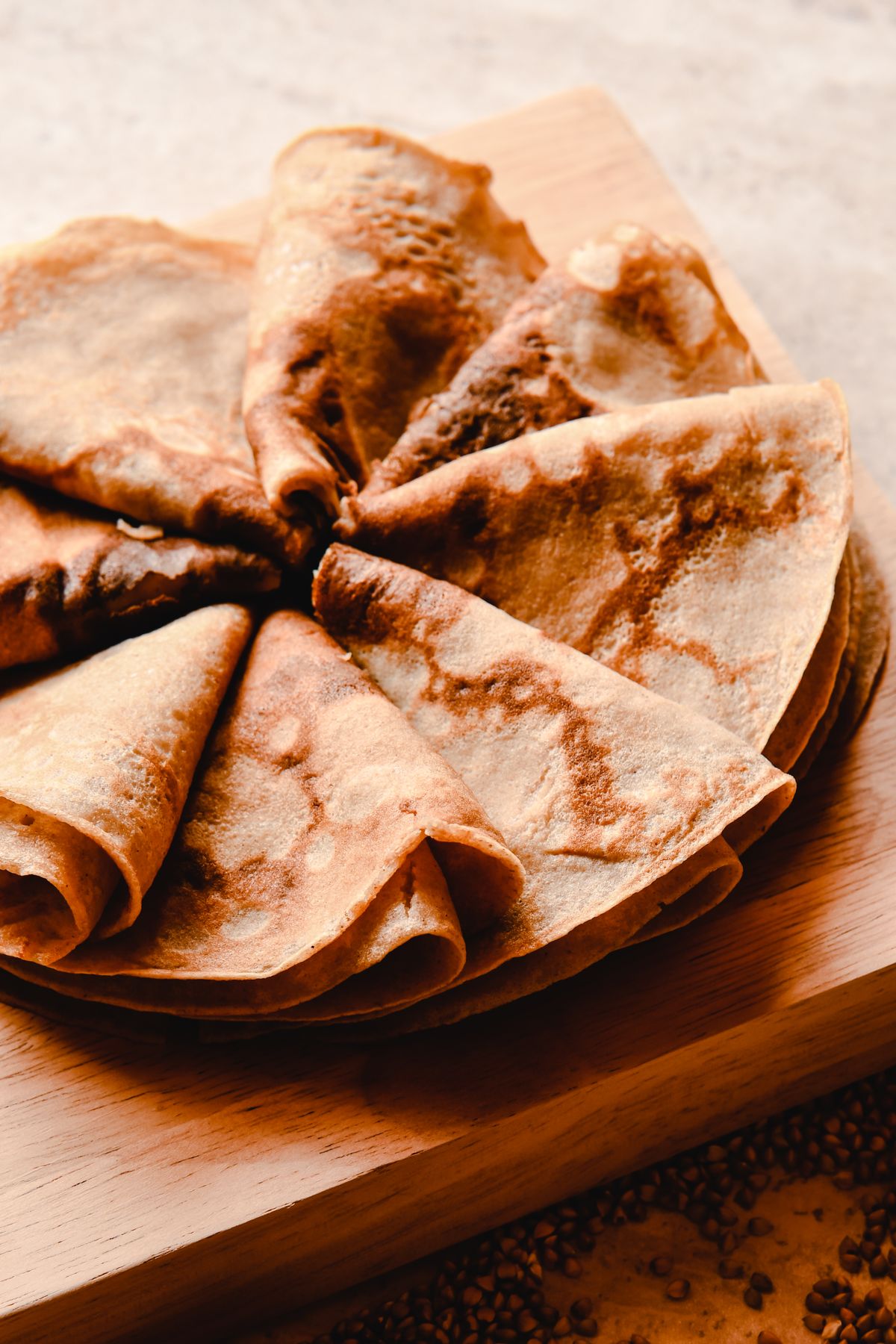
The target is thin but pliable. A properly cooked crepe should bend and fold without cracking along the edge. If yours is similarly thin but stiff, shorten cooking time before changing the batter.
Diagnose Exactly When Your Crepe Tears
| When it tears | Most likely causes | First change |
|---|---|---|
| While spreading | Pan too hot / instant setting | Lower heat |
| When lifting edge | Too early / sticking | Wait and check surface |
| Mid-flip | Poor support / weak structure | Wider spatula; check batter |
| After flip | First side undercooked | Cook first side longer |
| When folding | Dry / overcooked | Shorten cooking |
| After filling | Too much / wet filling | Reduce or drain filling |
| Every crepe | Ratio, heat or pan issue | Recalibrate batter and pan |
How to Prevent Tearing Next Time
- Measure flour and liquid consistently.
- Rest the batter.
- Use a clean pan with reliable release.
- Preheat to moderate heat.
- Swirl immediately after pouring.
- Wait until the first side has set.
- Loosen the perimeter before flipping.
- Use a thin broad spatula.
- Avoid drying the second side.
- Do not overload with wet filling.
Frequently Asked Questions
Why do my crepes tear when I flip them?
They commonly tear when flipped before the first side sets, when batter consistency is off, when the pan is too hot or when the crepe sticks.
How do I stop crepes from tearing?
Let the first side set, keep batter fluid enough to spread, use moderate heat, lightly grease the pan and loosen the edge before flipping.
Why do my crepes fall apart when I fold them?
They may be overcooked and dry, unusually fragile or overloaded with a wet or heavy filling.
Does crepe batter need to rest?
Resting gives flour time to hydrate and can improve tenderness and consistency.
Why do crepes stick and tear?
This often happens when the pan is not properly prepared, the crepe is flipped too early or residue prevents clean release.
Can thick crepe batter cause tearing?
Yes. Thick batter may set before spreading evenly and can cook unevenly.
Bottom Line
If your crepes tear, check timing before changing the recipe. Let the first side set, make sure the edge releases, then flip with a thin broad spatula. If every crepe tears, check batter consistency, pan temperature and surface preparation. If tearing happens only during folding, focus on overcooking and filling weight.