Waffle troubleshooting guide
Why Do My Waffles Stick to the Waffle Maker? 9 Causes and Easy Fixes
Waffles usually stick because they are opened before the crust has set, the iron was not fully preheated, the batter does not contain enough fat, or the plates have developed residue. Start with timing and heat before adding more grease: a waffle that is still soft in the center can split between the top and bottom plates even on a good nonstick maker.
Quick diagnosis
Waffle splits between the plates: cook longer before opening. Every batch sticks: check preheating, plate cleanliness and batter fat. Only overflow sticks: use less batter. Maker became sticky over time: inspect for residue or aerosol-spray buildup before changing the recipe.
9 Reasons Waffles Stick to the Waffle Maker
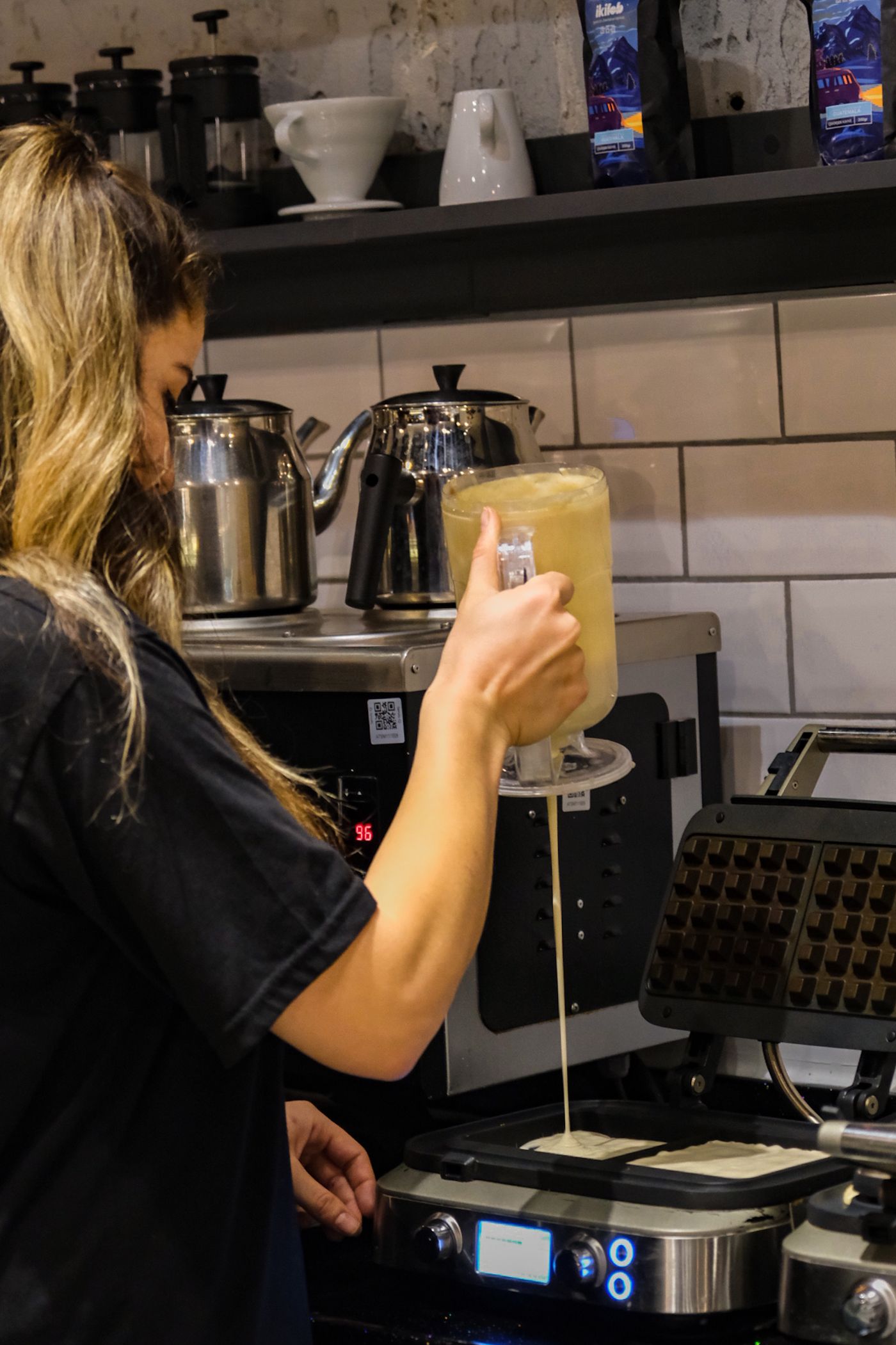
1. You open it too early
The crust has not set enough to release from both plates.
2. The iron is not fully preheated
Cool plates delay surface setting and can encourage sticking.
3. Batter has too little fat
Oil or butter helps the waffle brown, release and stay tender.
4. Plates have residue
Old batter, sugar or baked-on grease creates sticky contact points.
5. Cooking spray built up
Aerosol spray can polymerize on some nonstick surfaces.
6. You overfilled the maker
Overflow bakes onto edges and hinges where release is worse.
7. Batter contains lots of sugar
Sugar caramelizes rapidly and can bond to hot plates.
8. The coating is damaged
Scratched or worn nonstick plates become less reliable.
9. The recipe does not suit the iron
Very lean, thin or specialty batters may need different handling.
1. The Waffle Is Being Opened Too Early
This is one of the easiest problems to misdiagnose. When the center is still wet, lifting the lid can pull the waffle apart: one half remains attached to the top plate and the other to the bottom.
Instead of opening repeatedly, watch the waffle maker's readiness indicator and the steam. Steam is heavy early in cooking and usually slows as the waffle loses moisture and the exterior sets. A maker with an audible timer or reliable indicator reduces guesswork.
2. The Waffle Maker Was Not Fully Preheated
A properly heated iron starts setting the batter as soon as it contacts the plates. When the plates are still recovering or were never fully preheated, the batter can remain wet against the surface longer.
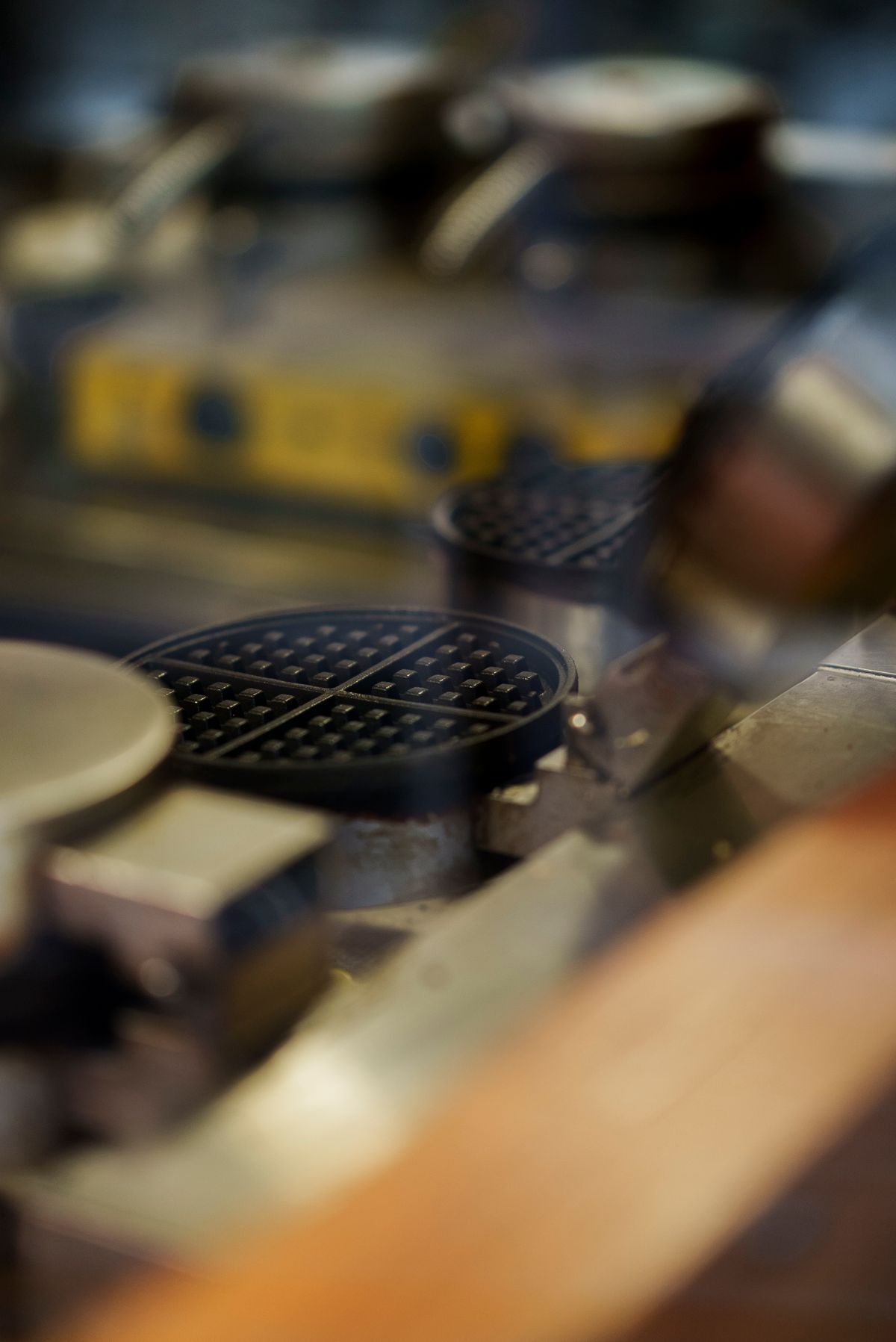
This image is placed beside the heat section because it shows an actual waffle iron in operation—the relevant visual cue here is the hot patterned cooking surface, not a decorative plated waffle.
- Preheat until the manufacturer's ready signal appears.
- For consecutive waffles, let the iron recover between batches.
- Do not assume “plugged in†means “fully hot.â€
- If every first waffle sticks, preheating is a prime suspect.
3. There May Be Too Little Fat in the Batter
Waffle batter usually contains more fat than pancake batter because the exterior is expected to crisp against two hot plates. Butter or oil also helps with release.
If you converted pancake batter directly into waffles, or deliberately reduced the recipe's oil, sticking can become more likely. Fix the formula according to a tested waffle recipe rather than pouring oil randomly onto the plates.
| Batter clue | Possible issue | Better response |
|---|---|---|
| Very lean batter | Too little fat | Use the recipe's full oil/butter amount |
| Pancake batter used as waffles | Formula not optimized for iron | Use a waffle conversion or dedicated recipe |
| Very sugary batter | Caramelization and sticking | Lower heat or use tested formula |
| Runny batter | Overflow and edge baking | Check recipe ratio and portion |
4. Should You Grease a Waffle Maker?
There is no universal “always grease†rule. Modern nonstick waffle makers often need little or no additional grease when the batter already contains fat. Older irons, cast-iron models and some recipes may benefit from a thin coating.
The safest rule is to follow your waffle maker's manual. If greasing is recommended, apply a very thin film with a brush or paper towel rather than pooling oil in the grid.
5. Cooking Spray Can Create Sticky Buildup
This sounds counterintuitive, but repeated aerosol cooking spray can create residue on some nonstick waffle makers. Serious Eats specifically cautions that cooking spray is unnecessary on nonstick plates and can build up over time, reducing their nonstick performance.
If the waffle maker worked well when new and gradually became sticky, inspect the grid for a tacky film. Clean it according to the appliance manual. Do not scrape nonstick plates with knives, steel wool or other metal tools.
6. You Are Using Too Much Batter
Too much batter pushes beyond the designed cooking area and into the rim, moat or hinge. Those areas may not have the same nonstick coating or heat distribution as the grid.
Use the manufacturer's batter amount
Deep Belgian makers need more batter than shallow American-style makers.
Pour into the center
Let the batter spread naturally or use the maker's recommended technique.
Reduce the next portion if it spills
Change the volume before changing the batter formula.
Clean overflow after cooling
Dried sugary batter around the rim can cause future sticking.
7. Sugar Can Make Waffles Stick
Waffle recipes often contain enough sugar to promote browning. Very sweet batters—especially dessert waffles, chocolate batter, fruit-heavy mixtures or pearl-sugar styles—can caramelize aggressively against the hot plates.
Do not solve this by lowering the iron so far that the waffle becomes pale and soft. Use a recipe designed for the style of waffle and follow the maker's heat guidance.
8. The Nonstick Surface May Be Worn or Damaged
If one exact spot sticks every time, inspect that area after the maker is unplugged and cool. Scratches, worn coating or baked-on residue can create a repeatable sticking point.
Metal forks and knives are particularly risky because they can scratch coated plates. Use wood, silicone or the utensil type recommended by the manufacturer.
How to Remove a Waffle That Is Already Stuck
Do not immediately pry at the grid with a metal utensil.
- Stop pulling the lid upward if the waffle is splitting.
- Close the lid and cook another 30–60 seconds.
- Open slowly and identify where the waffle is attached.
- Use a silicone-tipped spatula, wooden utensil or chopstick to loosen the edge.
- Work around the perimeter rather than pulling from one corner.
- After the appliance cools, clean any baked-on residue according to its manual.
Serious Eats likewise recommends wooden or silicone utensils for freeing stuck waffles and warns against metal tools that can scratch the plates.
Waffle Sticking Troubleshooting Matrix
| What happens | Most likely cause | First thing to try |
|---|---|---|
| Waffle splits top-to-bottom | Opened too early | Cook 30–60 seconds longer |
| First waffle sticks, later ones improve | Iron not fully preheated | Preheat longer |
| Every waffle sticks everywhere | Plate residue, batter formula or coating | Clean and review batter fat |
| Only edges stick | Overflow | Use less batter |
| One location always sticks | Damaged coating or localized residue | Inspect that area |
| Sweet waffle sticks badly | High sugar | Use recipe-specific heat |
| Maker became sticky over months | Spray/oil buildup | Clean per manufacturer guidance |
| Pancake mix sticks in iron | Not enough waffle-style fat | Use waffle directions |
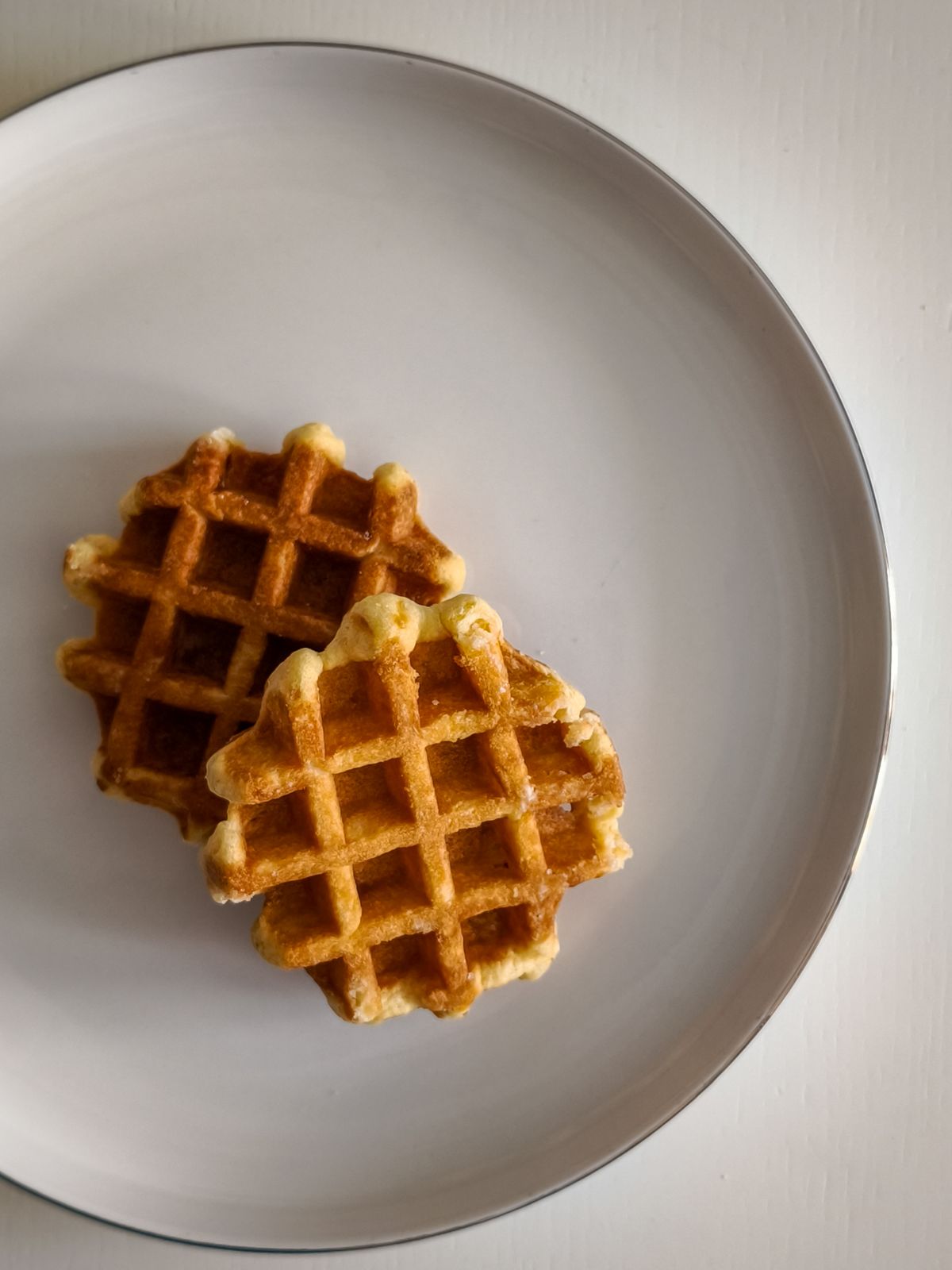
The final image appears after troubleshooting because it shows the target outcome: an intact waffle with a clean grid rather than a waffle torn between the plates.
How to Prevent Sticking on the Next Batch
- Use a tested waffle recipe with the full amount of fat.
- Preheat the maker completely.
- Let it recover between waffles.
- Use the recommended batter volume.
- Do not open repeatedly during early cooking.
- Follow the manual on greasing.
- Avoid aerosol cooking spray when the manufacturer warns against it.
- Keep the plates free of sugar and batter residue.
- Use non-metal utensils.
- Replace a badly damaged nonstick maker rather than scraping harder.
Frequently Asked Questions
Why do my waffles stick to the waffle maker?
Common causes include opening the waffle maker too early, insufficient preheating, too little fat in the batter, residue or cooking-spray buildup on the plates, overfilling or damaged nonstick coating.
Should you grease a waffle maker?
It depends on the appliance and batter. Many modern nonstick waffle makers need little or no extra grease, while some recipes or older irons benefit from a light coating. Follow the manufacturer's instructions.
Why does my waffle split when I open the waffle maker?
The waffle often splits when it is opened before the center has set and the crust has released from both plates. Close the lid and cook a little longer.
Can cooking spray make waffles stick?
Yes. On some nonstick waffle makers, repeated aerosol cooking spray can leave polymerized residue that makes the plates tacky over time.
How do you remove a stuck waffle without scratching the plates?
Let the waffle cook a little longer, then use a wooden or silicone utensil rather than metal. Work around the edge instead of pulling hard from one point.
Why does only the first waffle stick?
The waffle maker may not be fully preheated. Give it more time before the first batch and allow it to recover between waffles.
Can too much batter make waffles stick?
Yes. Overflow can bake onto the rim and other areas where release is less reliable. Reduce the batter amount on the next waffle.
Bottom Line
If your waffles stick, check timing and preheating before adding more grease. A waffle that has not finished setting can split even on a nonstick iron. Next, inspect plate cleanliness, batter fat and the amount of batter you are using.
If the maker has become sticky over time, clean it according to the manual and look for cooking-spray residue or worn coating. Use wooden or silicone tools and avoid damaging the grid while trying to rescue a stuck waffle.