French toast bread guide
Best Bread for French Toast: Brioche, Challah, Sourdough and More
The best bread is not simply the richest loaf. It must absorb custard without collapsing, match the texture you want and cook through before the outside burns. Brioche is best for indulgence, challah for balance, thick sandwich bread for a classic result and sourdough for structure and tang.
Quick answer
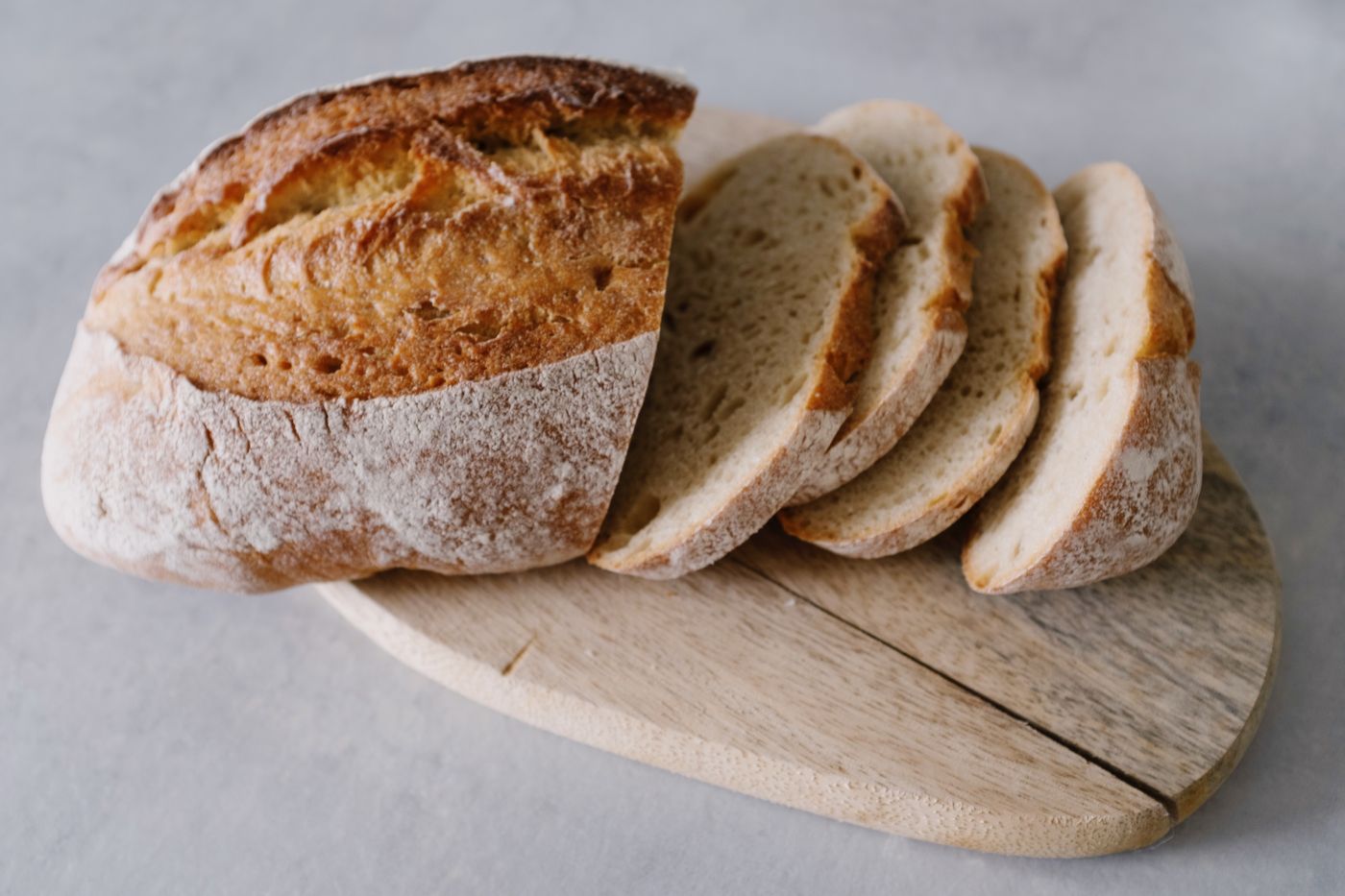
Use brioche or challah for rich, custardy French toast; thick-cut sandwich bread for diner-style French toast; sourdough for a firmer, tangier result. Slice the loaf about ¾ inch thick. Slightly dry bread is easier to soak without tearing, but very hard stale bread can remain dry inside. If the loaf is fresh, dry the slices briefly in a low oven.
French Toast Bread Comparison
Food Network, The Kitchn and Allrecipes agree on the broad winners—brioche, challah and sturdy white bread—but they emphasize different advantages. The useful comparison is not “best or worstâ€; it is crumb structure, richness, soak speed and final texture.
| Bread | Texture | Soak time | Best result | Main caution |
|---|---|---|---|---|
| Brioche | Soft, buttery, uniform crumb | Short to moderate | Rich and custardy | Can become heavy or tear when oversoaked |
| Challah | Soft but slightly firmer | Moderate | Balanced and airy | Braided slices vary in shape |
| Pain de mie / Pullman | Fine, even, neutral crumb | Moderate | Classic diner-style | Thin pre-sliced versions collapse easily |
| Texas toast | Thick, soft sandwich bread | Short | Quick, familiar French toast | Very fresh slices become soggy |
| Sourdough | Firm, chewy, open crumb | Longer | Tangy with strong structure | Large holes and thick crust can soak unevenly |
| Shokupan | Very soft, fine and springy | Short | Fluffy, delicate center | Can compress if handled roughly |
| French bread / baguette | Firm crumb, crisp crust | Moderate to long | Chewy, structured slices | Hard crust can stay dry |
| Whole wheat | Hearty and absorbent | Moderate | Nutty everyday option | Can become dense |
| Gluten-free | Highly variable | Test one slice | Diet-specific option | Some loaves crumble or dry out |
Choose the Bread by the Result You Want
1. Brioche: Best for Rich, Custardy French Toast
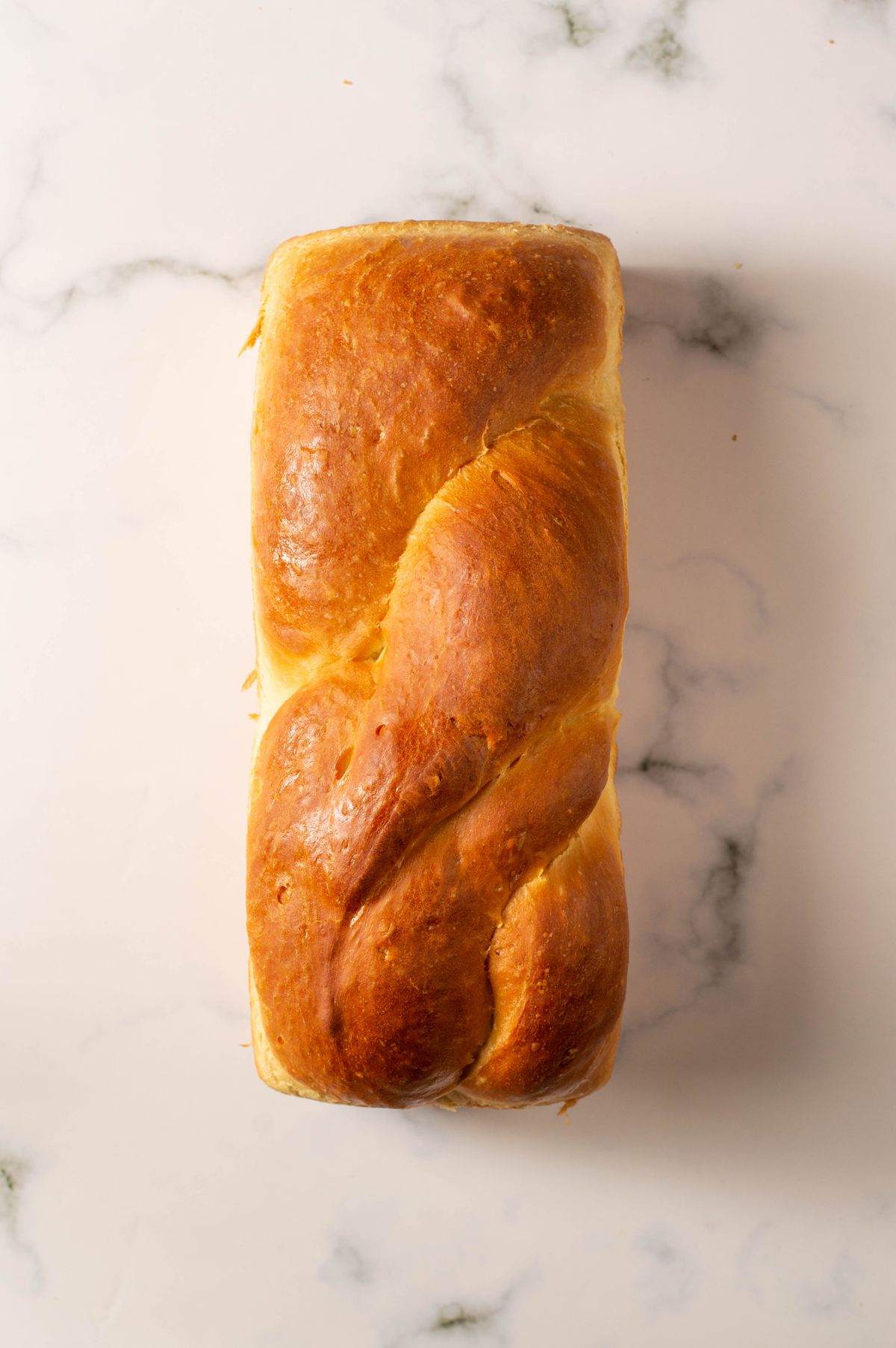
Brioche is enriched with butter and eggs, giving it a tender, uniform crumb that absorbs custard while adding its own richness. Food Network, The Kitchn and Allrecipes all place it among the strongest choices.
Buy a whole loaf when possible and cut it yourself. Pre-sliced brioche is often too thin, while very thick brioche can brown before the center heats through.
Best technique for brioche
- Cut approximately ¾-inch slices.
- Use bread that is slightly dry, not rock-hard.
- Dip briefly on both sides.
- Let excess custard drip off.
- Cook over medium-low heat.
Brioche is already rich, so a heavy cream-based custard can push it toward bread pudding. Use it when indulgence is intentional.
2. Challah: Best All-Purpose Bread
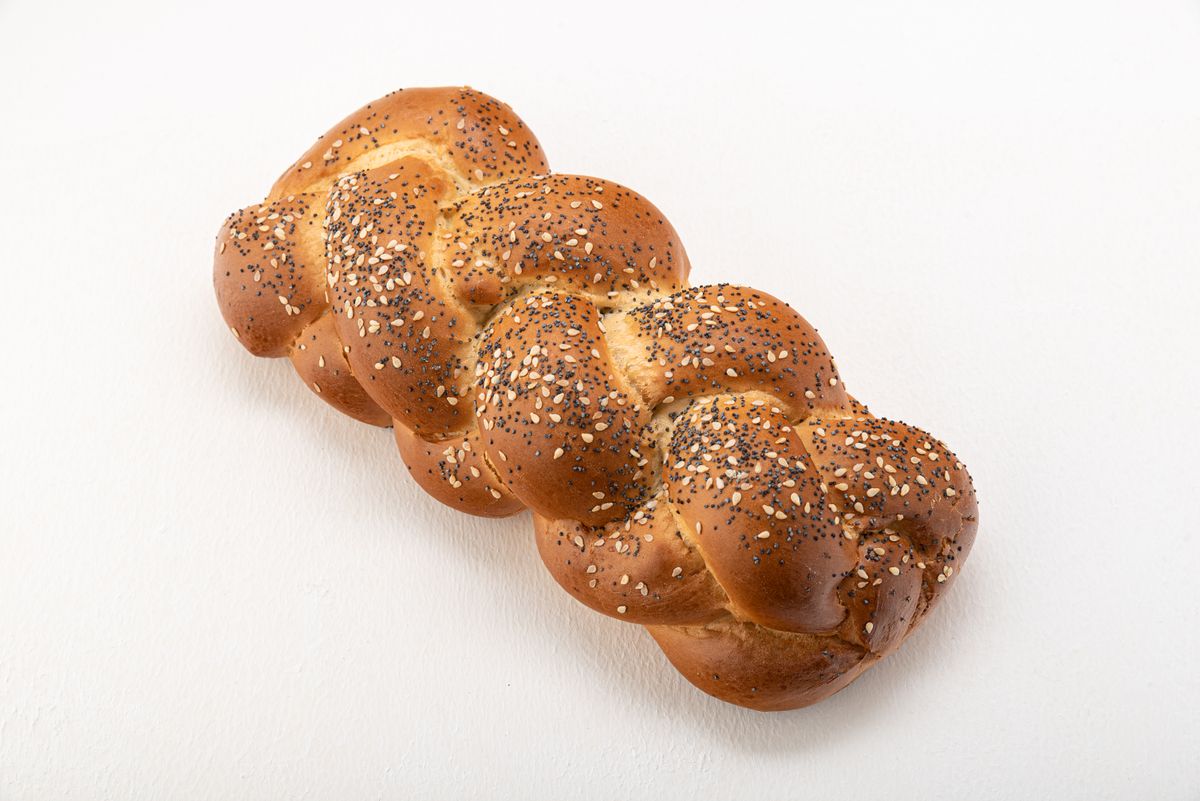
Challah has the softness and egg-rich flavor associated with brioche, but it is typically made with oil rather than butter. The Kitchn describes it as dense enough to absorb custard without collapsing, and Food Network treats it as a strong all-purpose substitute for pain de mie.
That balance makes challah especially useful when you want a custardy interior without the full buttery richness of brioche.
When challah is better than brioche
- You want a lighter rich bread.
- You need slightly stronger slices.
- You are making a dairy-free custard.
- You want a braided loaf that creates attractive portions.
Check the ingredient label if dairy avoidance matters; traditional challah is often dairy-free, but bakery formulas vary.
3. Thick Sandwich Bread: Best for Classic French Toast
Fancy bread is not always better. Food Network's preferred pain de mie has a fine, sponge-like crumb and neutral flavor. The Kitchn also recommends hearty thick-cut sandwich bread, Texas toast or a Pullman loaf.
This category is ideal when the custard and toppings should supply most of the flavor.
4. Sourdough: Best for Structure and Tang
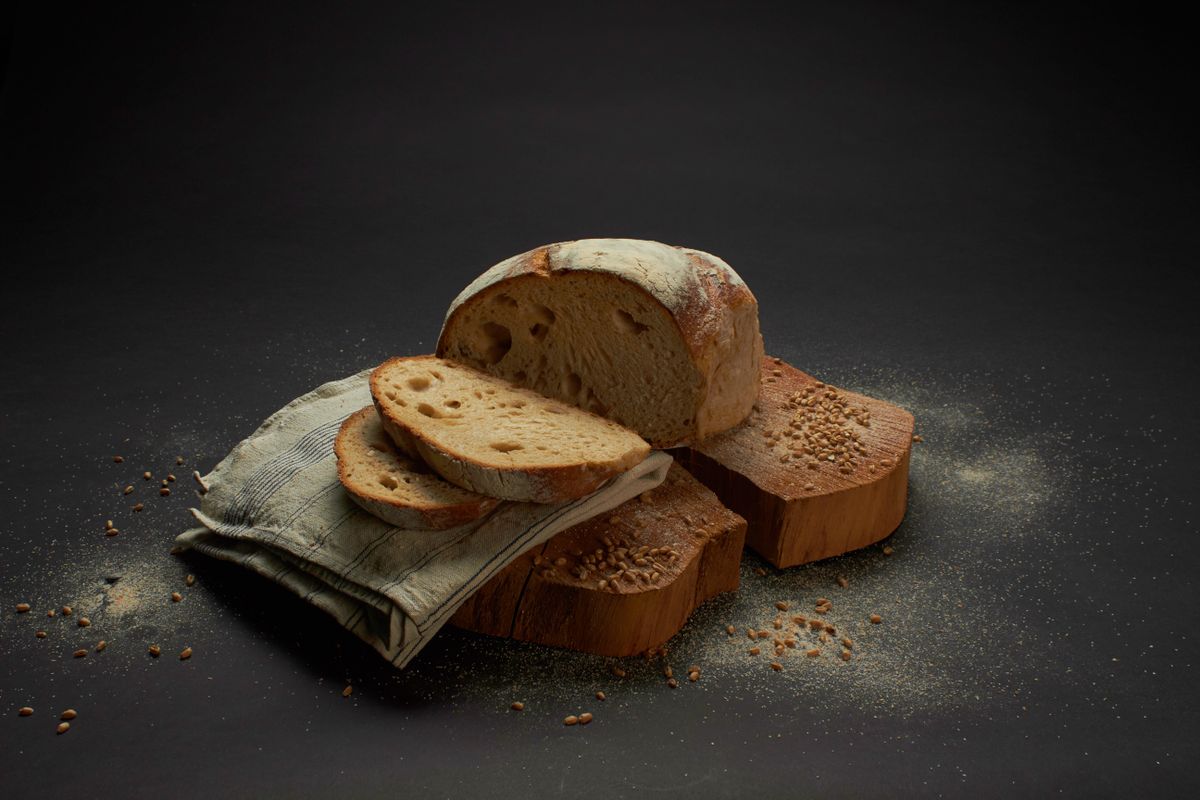
Sourdough is firmer and more acidic than brioche or challah. Food Network recommends it when you want structure, but notes that it needs a longer soak. Fresh sourdough can be preferable to very stale sourdough because an already hard crust may not soften fully.
Sourdough works particularly well for savory French toast with cheese, herbs, mushrooms or tomatoes. Its tang also balances sweet toppings such as maple syrup or roasted fruit.
Choose a tighter crumb
Very open artisan sourdough has large holes that allow custard to run through and create uneven patches. A moderately tight crumb gives more consistent soaking.
Other Good Breads for French Toast
Shokupan or Japanese milk bread
Shokupan has a fine, fluffy crumb and gentle sweetness. The Kitchn lists it among the best choices. Thick slices produce very soft, cloud-like French toast, but they need careful handling.
French bread and baguette
These work best when sliced diagonally to create a larger surface. A firm crumb tolerates soaking, while a thick crust can remain chewy or dry. Slightly stale baguette is useful for casserole or bite-size French toast.
Whole-wheat bread
Whole wheat adds nutty flavor and more chew. Choose thick slices with a relatively soft crust. Dense seeded bread can overwhelm a delicate custard.
Croissants
Split croissants can produce an extremely rich French toast, but they behave more like laminated pastry than bread. They absorb unevenly and can become greasy. Use them as a deliberate variation, not the default.
Cinnamon-raisin bread
Convenient for sweet French toast, but sugar and fruit can scorch. Lower the heat and reduce added sugar in the custard.
How Thick Should the Bread Be?
Food Network recommends about ¾ inch, which is the strongest general-purpose target.
| Thickness | How it behaves | Best use |
|---|---|---|
| Under ½ inch | Soaks quickly and tears easily | Fast diner-style toast with brief dipping |
| About ¾ inch | Balanced soaking and cooking | Best general-purpose thickness |
| 1 inch | Custardy center, longer cook | Brioche, challah and stuffed toast |
| Over 1 inch | Center heats slowly | Oven-finished or casserole-style recipes |
Thickness, soak time and cooking temperature must be adjusted together. A one-inch slice should not be treated like thin sandwich bread.
Should Bread Be Stale or Fresh?
Slightly dry bread is easier to saturate without falling apart. Food Network recommends day-old bread and suggests drying fresh slices at 300°F for about 12 minutes.
The Kitchn adds an important qualification: stale does not always mean dry throughout. Bread can become firm because starches change structure, while a thick crust may become too hard to hydrate evenly.
Best practical rule
- Use bread that feels dry on the surface but still cuts cleanly.
- Dry fresh slices in a low oven when needed.
- Avoid mold or off odors.
- Do not use rock-hard bread for quick skillet French toast.
- Reserve very dry cubes for casserole or bread pudding.
Best Bread for Stuffed, Baked and Savory French Toast
| Format | Best bread | Why |
|---|---|---|
| Stuffed French toast | Thick brioche, challah or Pullman | Soft but sturdy enough to cut a pocket |
| French toast casserole | Challah, brioche, French bread | Cubes hold shape while absorbing custard |
| Savory French toast | Sourdough or country bread | Tang and structure balance savory toppings |
| Dairy-free French toast | Challah, sourdough or dairy-free sandwich bread | Avoids butter-rich brioche when needed |
| Eggless French toast | Sturdy sandwich bread or French bread | Supports starch- or flour-based coating |
| Freezer meal prep | Challah, Texas toast or sturdy sandwich bread | Reheats without crumbling |
Breads That Are Harder to Use
Very thin sliced bread
It becomes saturated before a custardy center can develop.
Very open sourdough
Large holes create uneven coating and weak areas.
Rock-hard stale baguette
The crust may remain dry even after soaking.
Fragile gluten-free bread
Some formulas disintegrate when dipped and flipped.
These breads are not impossible to use. They simply require a different format: casserole, shorter dip, longer soak or oven finish.
French Toast Bread Troubleshooting
| Problem | Likely bread issue | Try next |
|---|---|---|
| Bread falls apart | Too thin, too fresh or oversoaked | Use thicker, drier slices and shorter dipping |
| Dry center | Bread too hard or soak too short | Use fresher sourdough or extend soak |
| Burnt outside, wet center | Slice too thick for pan heat | Lower heat or finish in oven |
| Heavy, greasy result | Rich brioche plus heavy custard | Use lighter custard or challah |
| Custard leaks through holes | Very open crumb | Choose tighter sourdough or sandwich loaf |
| Rubbery crust | Very thick rustic crust | Trim selectively or use a softer loaf |
Frequently Asked Questions
What is the best bread for French toast?
For rich, custardy French toast, brioche and challah are the strongest choices. Thick-cut sandwich bread or pain de mie is best for a classic diner-style result, while sourdough is best when you want more structure and tang.
Is brioche or challah better for French toast?
Brioche is richer and more buttery, while challah is slightly firmer and easier to soak without becoming heavy. Choose brioche for indulgence and challah for a balanced all-purpose French toast.
Should bread be stale for French toast?
Slightly dry bread is easier to soak without falling apart, but rock-hard stale bread is not ideal. Fresh bread can be dried in a low oven before soaking.
How thick should bread be for French toast?
About ¾ inch is a strong all-purpose thickness. Thin slices soak quickly and can collapse, while slices thicker than one inch need longer soaking and gentler cooking so the center heats through.
Can you use sourdough for French toast?
Yes. Choose a loaf with a moderately tight crumb and soak it longer than brioche or sandwich bread. Sourdough produces a tangy, structured French toast.
Can you use regular sandwich bread?
Yes. Thick-cut sandwich bread, Texas toast or pain de mie produces classic French toast. Avoid very thin fresh slices when possible.
What bread is best for French toast casserole?
Challah, brioche and French bread are strong choices because cubes absorb custard while retaining enough structure to bake evenly.
Bottom Line
Brioche is best for maximum richness, challah for balance, pain de mie or thick sandwich bread for classic French toast and sourdough for structure and tang. The loaf alone does not determine success: slice thickness, dryness, soak time and pan temperature must work together.
Start with a whole loaf and cut approximately ¾-inch slices. Dry fresh bread lightly rather than waiting until it becomes rock-hard, and adjust the soak to the crumb: brief for soft brioche, moderate for challah and longer for sourdough.