No-milk breakfast guide
Can You Make French Toast Without Milk? The Best Substitutes and a Complete Recipe
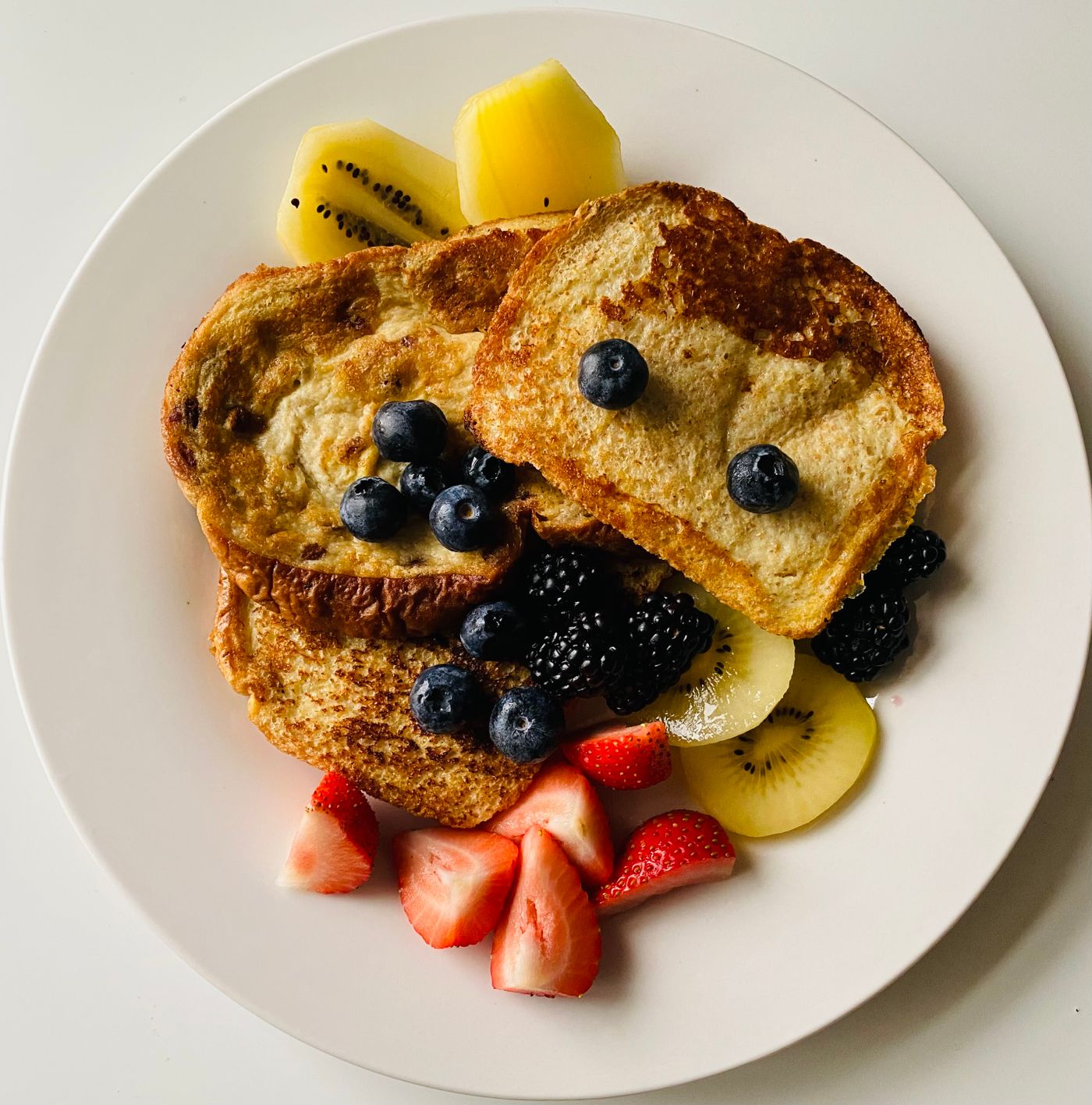
Yes. Milk is optional in French toast. Eggs provide the coating and structure; a small amount of water can thin them, while oat, soy or almond milk creates a softer, more familiar custard. The best choice depends on whether you ran out of milk, need dairy-free French toast or want the lightest, crispiest result.
Quick answer
For six slices, whisk four eggs with about three tablespoons of water or unsweetened plant milk. Water gives firmer, crisper French toast with a more noticeable egg flavor. Oat or soy milk makes the center softer and closer to traditional French toast. Almond milk works but adds less body. Do not soak thin bread for too long, and cook over medium-low heat so the egg sets before the outside burns.
Choose the Best Milk Substitute
The strongest competitors split into two camps: some use no substitute beyond a tablespoon or two of water, while others use dairy-free milk. Both can work, but they create different textures.
| Liquid choice | Starting amount | Expected result | Best for |
|---|---|---|---|
| No added liquid | Eggs only | Firm, egg-forward coating | Thin sandwich bread and maximum crispness |
| Water | About 1 Tbsp per 2 eggs | Light, crisp, slightly eggier | Out-of-milk emergency |
| Unsweetened soy milk | 2–4 Tbsp per 2 eggs | Balanced, custardy, good browning | Closest plant-based substitute |
| Unsweetened oat milk | 2–4 Tbsp per 2 eggs | Mild, tender and slightly sweet | Neutral dairy-free French toast |
| Unsweetened almond milk | 2–4 Tbsp per 2 eggs | Light, mildly nutty | Thin bread and lighter coating |
| Diluted canned coconut milk | Dilute to milk consistency | Rich and coconut-flavored | Tropical or dessert versions |
| Plain yogurt + water | Thin until pourable | Tangy and rich | No milk but dairy is acceptable |
| Lactose-free milk | Use as regular milk | Closest to classic dairy recipe | Lactose avoidance, not milk allergy |
Choose This If…
French Toast Without Milk
This recipe uses a small amount of water. Replace the water with unsweetened soy, oat or almond milk for a softer center.
Ingredients
- 6 slices day-old sandwich bread, brioche or challah
- 4 large eggs
- 3 tablespoons water or unsweetened plant milk
- 1 tablespoon sugar
- 1 teaspoon vanilla extract
- ½ teaspoon ground cinnamon
- â…› teaspoon fine salt
- 1 tablespoon neutral oil or dairy-free butter for cooking
Instructions
Preheat the skillet
Heat a nonstick skillet or griddle over medium-low heat. High heat browns the surface before the egg coating sets.
Whisk the eggs thoroughly
Break up the whites completely. Visible strings of egg white cook into rubbery patches on the bread.
Add the liquid and flavorings
Whisk in the water or plant milk, sugar, vanilla, cinnamon and salt until evenly combined.
Dip the bread briefly
Coat both sides. Thin sandwich bread may need only a few seconds; thick stale brioche can absorb longer without collapsing.
Cook until set and golden
Lightly grease the pan and cook each side for about two to four minutes, depending on thickness.
Serve or hold correctly
Serve immediately or keep slices in one layer on a rack in a low oven. Do not stack them under foil.
What Does Milk Normally Do in French Toast?
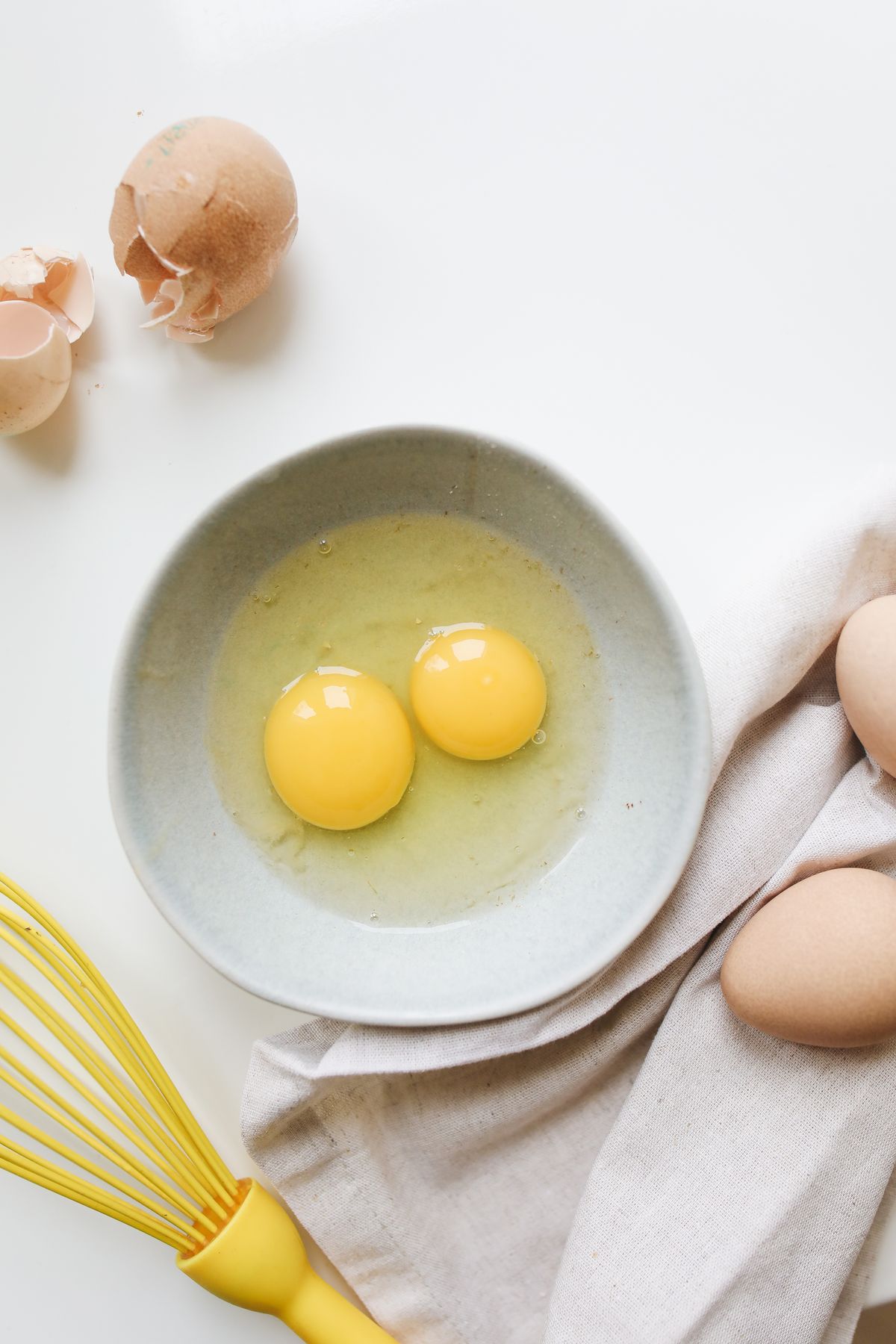
Milk is mainly a dilution and texture ingredient. It spreads the eggs across more bread, softens the cooked coating and adds milk sugar and protein that contribute flavor and browning.
Thins the eggs
A small amount of liquid makes the coating easier to distribute without leaving thick scrambled-egg patches.
Softens the center
More liquid creates a more custardy interior, especially in thick bread.
Adds flavor
Dairy and plant milks contribute their own sweetness, fat and aroma.
Affects browning
Protein and sugar influence how quickly the surface becomes golden.
Milk does not provide the main structure; eggs do. That is why no-milk French toast works. But removing milk changes the balance, so a small amount of water or plant milk can produce a more even coating than eggs alone.
Can You Use Water Instead of Milk?
Yes. Laura Fuentes, Wholefood Soulfood Kitchen, Recipes.net and several other high-ranking competitors use water or an egg-only mixture successfully.
Use water sparingly. A common pattern is roughly one tablespoon of water per two eggs, not a full cup-for-cup replacement of the milk in a custardy recipe. Too much water dilutes the proteins and flavor while soaking the bread excessively.
What water changes
- The surface can become crisper.
- The egg flavor is more noticeable.
- The center is less creamy than milk-based French toast.
- Thin bread needs a shorter dip.
- Oil or dairy-free butter becomes more important for flavor.
Which Plant Milk Works Best?
Soy milk
Unsweetened soy milk has more protein than most plant beverages and gives the coating useful body. It is the closest all-purpose dairy-free choice.
Oat milk
Oat milk is mild and slightly sweet. It works particularly well with cinnamon, vanilla and thick challah. Sweetened oat milk can brown faster, so choose unsweetened when possible.
Almond milk
Almond milk is thinner and lighter. It works, but the coating may feel less custardy. Its subtle nut flavor fits berry, banana and maple toppings.
Coconut milk
Carton coconut beverage can be used like other plant milks. Full-fat canned coconut milk is too rich to use undiluted and gives a clear coconut flavor.
The Best Bread for No-Milk French Toast
| Bread | How it behaves | Dip strategy |
|---|---|---|
| Sandwich bread | Fast absorption, fragile | Brief dip on each side |
| Day-old brioche | Rich, thick, absorbent | Moderate soak; cook gently |
| Challah | Sturdy but tender | Excellent with plant milk |
| French bread | Firm crumb and crust | Longer soak when stale |
| Sourdough | Chewy, tangy, sturdy | Use moderate liquid |
| Gluten-free bread | Highly variable | Test one slice; avoid oversoaking |
Day-old bread is useful because it absorbs the coating without disintegrating as quickly. Fresh thin bread can still work, but the dip must be brief.
Is French Toast Without Milk Automatically Dairy-Free?
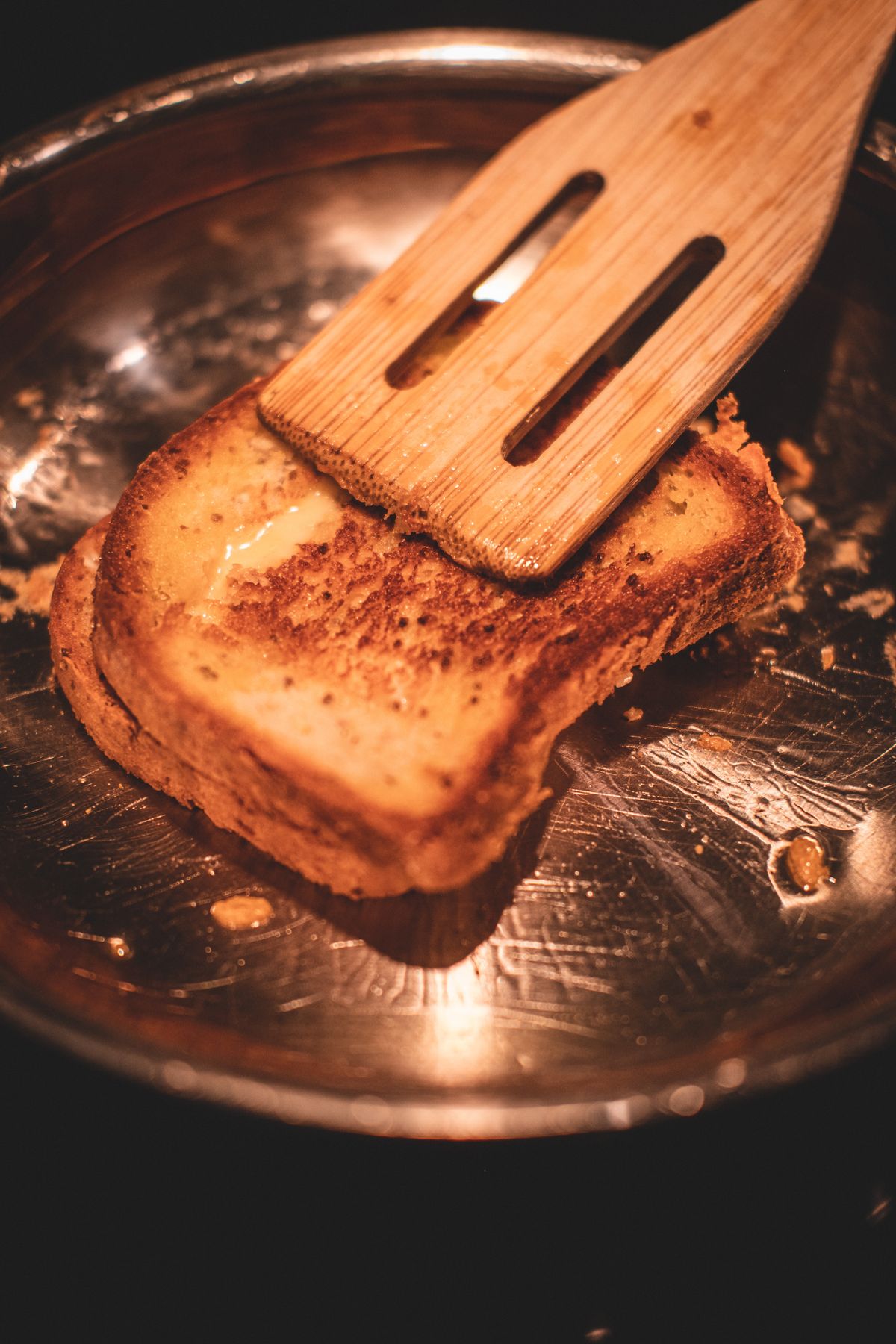
No. Butter, brioche, challah, packaged bread and toppings can still contain dairy.
- Cook with neutral oil or verified dairy-free butter.
- Check bread for milk, whey, casein and butter.
- Use unsweetened plant milk or water.
- Choose dairy-free chocolate, cream and yogurt toppings.
- Prevent cross-contact when preparing food for an allergy.
Lactose-free milk is suitable for lactose intolerance but is still dairy and unsuitable for a milk-protein allergy.
Can You Use Cream, Yogurt or Coffee Creamer?
Heavy cream
Dilute it with water before using. Straight cream can create an overly rich coating that browns rapidly.
Plain yogurt
Whisk yogurt with water until pourable. It creates a tangy, tender coating but is not dairy-free unless the yogurt is plant-based.
Coffee creamer
Check sugar and flavoring. Sweetened vanilla creamer can burn before the center cooks and may contain dairy even when marketed as “non-dairy.â€
Can You Make French Toast Without Milk and Eggs?
Yes, but that is a different formula. Eggs provide the structure and browning that allow the coating to set. A vegan version needs another binder such as starch, ground flax, chickpea flour, custard powder or a commercial egg replacer.
This page should remain focused on replacing milk. A dedicated “French toast without eggs†page can cover vegan binders in depth and link back here for plant-milk choices.
French Toast Without Milk: Troubleshooting
| Problem | Likely cause | Try next |
|---|---|---|
| Strong egg flavor | Egg-only coating or too little seasoning | Add a little water/plant milk, vanilla and salt |
| Rubbery patches | Egg whites not whisked completely | Whisk until mixture is uniform |
| Soggy center | Too much liquid, long soak or high heat | Shorten dip and cook lower/longer |
| Bread falls apart | Fresh thin bread oversoaked | Use stale/sturdier bread and brief dipping |
| Outside burns | Pan too hot or sweetened plant milk | Use medium-low heat and unsweetened milk |
| Pale surface | Low heat or insufficient fat | Preheat pan and grease lightly |
| Dry French toast | Too little liquid or overcooking | Add a small amount of plant milk and shorten cook |
| Cinnamon clumps | Spice added to cold liquid without mixing | Whisk cinnamon with sugar before adding |
How to Store, Freeze and Reheat It
Refrigerator
Cool leftovers promptly and store them in an airtight container. Reheat only the number needed so the whole batch is not repeatedly warmed.
Freezer
French toast freezes best after cooking. Cool the slices in one layer, freeze flat until firm and pack with parchment between layers. Link to the site's dedicated guide on freezing French toast for detailed storage and reheating methods.
Reheating
Use a toaster for plain thin slices, a toaster oven for thick bread and an oven for a batch. A microwave is fast but softens the exterior.
Best Substitute by Goal
| Your goal | Choose | Why |
|---|---|---|
| No trip to the store | Water | Simple and available |
| Closest dairy-free texture | Soy milk | More protein and body |
| Mildest flavor | Oat milk | Soft, neutral and slightly sweet |
| Light coating | Almond milk | Thin and subtle |
| Crispiest, firmest result | Eggs with little or no liquid | Less moisture |
| Lactose-free but dairy is fine | Lactose-free cow's milk | Closest to traditional recipe |
Frequently Asked Questions
Can you make French toast without milk?
Yes. Eggs can coat and set the bread without milk. Add a small amount of water to thin the eggs, or use unsweetened oat, soy or almond milk when you want a softer, more custardy center.
What can you substitute for milk in French toast?
Water, oat milk, soy milk, almond milk, diluted coconut milk, lactose-free milk and thinned yogurt can all work. Water gives a firmer, crisper result; plant milk gives a softer and more familiar custard.
Can you use water instead of milk in French toast?
Yes. Use a small amount of water to thin the beaten eggs rather than replacing a large milk quantity blindly. Too much water can weaken the coating and make the bread soggy.
Is French toast without milk dairy-free?
Only when the bread, pan fat and toppings are also dairy-free. French toast cooked in butter or made with brioche containing milk is not dairy-free even when no milk is added to the egg mixture.
Can you use oat milk for French toast?
Yes. Unsweetened oat milk produces mild, tender French toast and can replace the small amount of liquid in the recipe one-for-one.
Can you use almond milk for French toast?
Yes. Almond milk gives a lighter coating and subtle nut flavor. Use an unsweetened version to avoid overly fast browning.
Does French toast need any liquid?
No. Eggs alone can coat the bread, but a small amount of water or milk substitute makes the mixture easier to distribute and produces a softer center.
Bottom Line
French toast does not need milk. Use a small amount of water for the simplest method, soy milk for the closest dairy-free structure or oat milk for a mild, tender result. The quantity should remain modest: the goal is to thin the eggs, not soak the bread in a weak liquid mixture.
Choose bread thickness and soak time together. Thin sandwich bread needs only a quick coating, while stale brioche or challah can absorb more. For fully dairy-free French toast, verify the bread, cooking fat and toppings as well as the liquid.