French toast technique guide
How Long to Soak French Toast? Times by Bread Type and Thickness
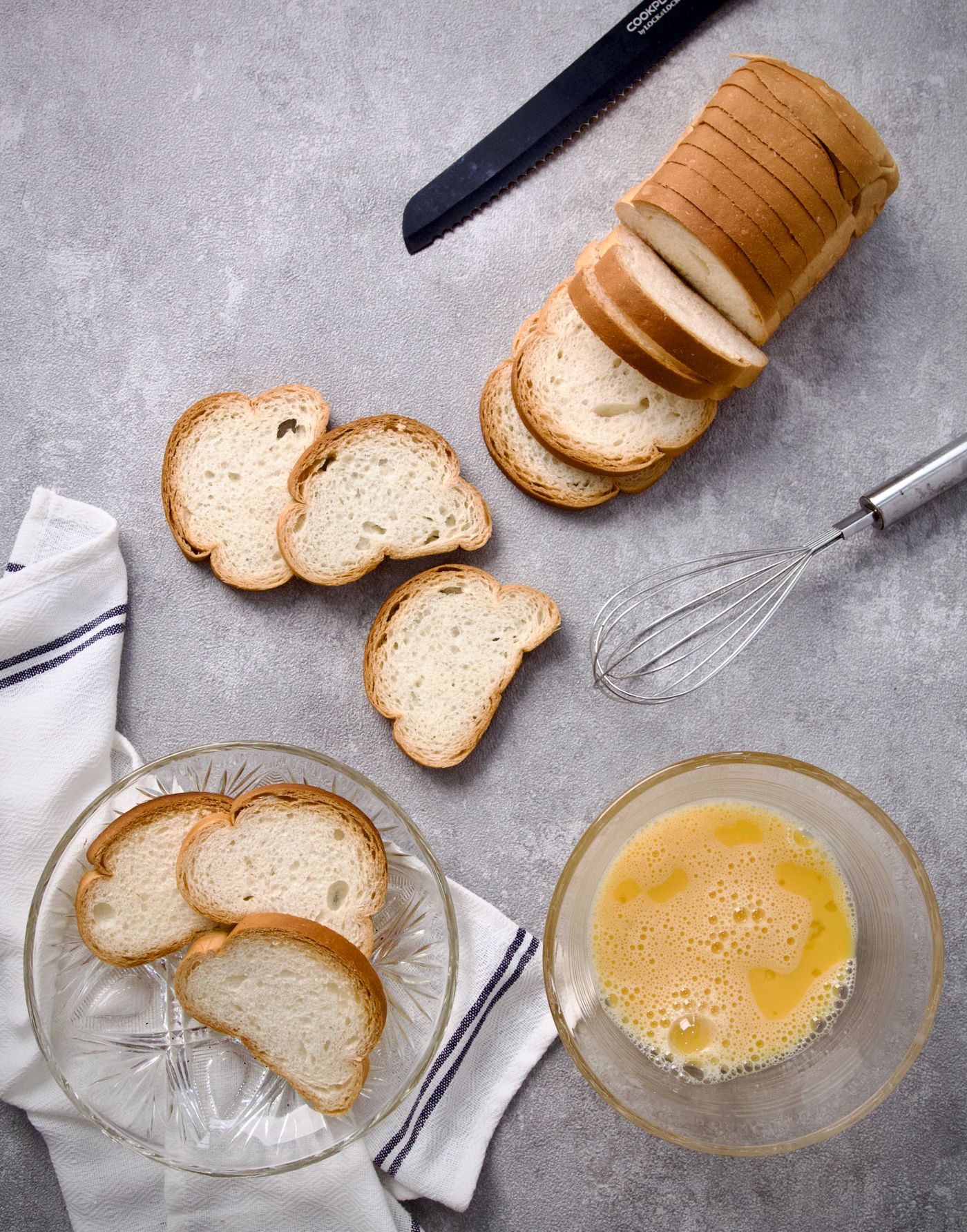
For most French toast made with ¾-inch bread, start with about 30–60 seconds per side. Thin sandwich bread may need only a quick dip, while dry brioche, challah or sourdough may need one to two minutes per side. The correct endpoint is bread that feels heavier and evenly moistened but still lifts without tearing.
Quick answer
Use the clock only as a starting point. Dip thin sandwich bread for about 3–10 seconds per side. Soak ¾-inch sandwich bread or challah for roughly 30–60 seconds per side. Dry, firm brioche can need up to 1–2 minutes per side, while dense sourdough may take 2–5 minutes. Stop when the custard reaches the center but the bread remains structurally intact.
French Toast Soak-Time Chart
Published recipes vary from a few seconds to ten minutes per side because they use different breads and target different textures. Food Network recommends roughly 30 seconds to one minute per side for thick bread. King Arthur soaks firm brioche for about two minutes per side. Bon Appétit uses a much longer soak for a deeply custardy, almost bread-pudding-style result.
| Bread type | Typical thickness | Starting soak time | Stop when | Main risk |
|---|---|---|---|---|
| Thin sandwich bread | ¼–⅜ inch | 3–10 seconds per side | Surface is coated | Tearing and sogginess |
| Thick sandwich / Texas toast | ½–¾ inch | 20–45 seconds per side | Slice feels heavier but firm | Wet center if very fresh |
| Challah | ¾ inch | 30–60 seconds per side | Custard reaches most of crumb | Soft braided sections collapse |
| Brioche, soft commercial | ¾ inch | 15–45 seconds per side | Evenly moistened | Rich crumb becomes heavy |
| Brioche, dry and firm | ¾–1 inch | 1–2 minutes per side | Most custard is absorbed | Oversoaking if loaf is very soft |
| Sourdough | ¾–1 inch | 2–5 minutes total | Center softens without breaking | Dry core or hard crust |
| French bread / baguette | ¾–1 inch | 1–3 minutes per side | Crumb is softened | Crust remains dry |
| Gluten-free bread | Varies | Start with 3–10 seconds | Coated but still liftable | Rapid crumbling |
| Stuffed French toast | 1–1½ inches | Brief exterior dip | Outer bread is coated | Wet exterior, cold filling |
How to Tell When the Bread Has Soaked Enough
Press the center gently with a finger or spatula. A correctly soaked slice feels moist and slightly yielding, but it should not feel like wet pulp. If the edges sag as soon as you lift it, the bread has probably gone too far.
The Best Way to Soak French Toast Evenly
Use a shallow dish
A wide baking dish lets the bread lie flat and prevents one corner from absorbing more custard than the rest.
Whisk the custard completely
No visible egg-white streaks should remain. Uneven custard creates rubbery patches and inconsistent absorption.
Work with one or two slices
Food Network recommends avoiding an overcrowded dish because tightly packed slices soak unevenly.
Turn once
Flip gently with a wide spatula or clean hands. Repeated turning increases the risk of tearing.
Let excess drip off
Hold the slice over the dish for a few seconds before transferring it to the pan.
Cook the first slice as a test
Cut it open. Adjust soak time for the remaining slices based on whether the center is dry, custardy or wet.
How Long to Soak Sandwich Bread
Thin sandwich bread absorbs liquid almost immediately. A long soak designed for brioche can destroy it before it reaches the pan.
Thin pre-sliced bread
Use a fast dip—often only three to ten seconds per side. Fresh bread needs even less time than day-old bread.
Texas toast or thick Pullman bread
Start around 20–45 seconds per side. Food Network's preferred pain de mie has a fine, sponge-like crumb that absorbs custard without falling apart when cut thickly.
If thin bread is the only option, dry it in a 300°F oven for about 10–12 minutes before dipping. This removes surface moisture and improves structure.
How Long to Soak Brioche and Challah
Brioche
Brioche varies more than most readers expect. Soft supermarket brioche can become saturated in seconds, while a firm, slightly stale homemade loaf can tolerate a long soak.
King Arthur uses brioche cut ¾–1 inch thick and soaks it for about two minutes per side until most of the batter is absorbed but the bread is not wet all the way through. Treat that as a method for firm brioche, not a universal instruction for every loaf.
Challah
Challah is usually slightly firmer and less buttery. Start around 30–60 seconds per side for a ¾-inch slice. Braided loaves can produce uneven shapes, so watch the thinner edges.
| Bread condition | Starting time per side | Likely result |
|---|---|---|
| Fresh soft brioche | 10–30 seconds | Very tender; easy to oversoak |
| Day-old brioche | 30–90 seconds | Rich and custardy |
| Firm homemade brioche | Up to 2 minutes | Deep custard absorption |
| Fresh challah | 20–45 seconds | Soft, balanced center |
| Day-old challah | 45–90 seconds | More custardy without collapsing |
How Long to Soak Sourdough and French Bread
Sourdough has a stronger crumb and often a firmer crust, so it generally needs longer than brioche or challah. Food Network notes that sourdough should be saturated and may take significantly longer, while King Arthur says sourdough can absorb more custard without getting soggy.
Start with two to five minutes total for a ¾–1-inch slice, turning once. Very dense or dry sourdough may need longer, but do not assume rock-hard bread will soften evenly; the crust can remain tough while the crumb becomes wet.
Open-crumb sourdough
Large holes let custard pass through instead of holding it. Use a shallow dish and turn carefully.
Baguette or French bread
Diagonal slices create more surface area. Start around one to three minutes per side, depending on staleness and crust thickness.
Thickness and Staleness Change Everything
| Slice thickness | Typical soak behavior | Cooking adjustment |
|---|---|---|
| Under ½ inch | Fast absorption | Short dip and quick cook |
| About ¾ inch | Best balance | Medium-low heat |
| 1 inch | Longer soak, custardy center | Cook gently or finish in oven |
| Over 1 inch | Very slow center absorption | Use oven-finished or baked method |
Slightly stale bread can absorb more custard while keeping its structure. But “stale†should mean dry enough to strengthen the crumb, not hard enough to resist liquid entirely.
- Fresh soft bread: shorter soak.
- Day-old bread: moderate soak.
- Oven-dried bread: longer soak is possible.
- Rock-hard crust: may need a baked preparation instead.
Can You Soak French Toast Overnight?
Individual skillet slices usually should not sit in custard overnight. Thin or soft bread becomes fragile, and even sturdy slices can absorb unevenly.
Overnight soaking belongs to baked French toast or French toast casserole. Those recipes are formulated with enough bread, custard and baking time to handle an extended refrigerated rest. Food & Wine, for example, uses an overnight chill for baked challah or brioche French toast.
Custard Ratio Also Changes Soak Time
A thin custard penetrates quickly. A rich mixture with cream, extra egg yolks or flour moves more slowly.
More milk
Thinner mixture, faster penetration and a softer center.
More eggs
Thicker coating with more structure when cooked.
Cream or half-and-half
Richer custard that can feel heavier and absorb more slowly.
Starch or flour
Thickens the coating and reduces rapid soaking.
That is why borrowing a soak time from another recipe can fail even when the bread looks similar. Use the soak time and custard formula from the same recipe whenever possible.
French Toast Soaking Troubleshooting
| Problem | Likely cause | Try next |
|---|---|---|
| Dry center | Soak too short or bread too dry | Add 15–30 seconds per side |
| Wet, custardy center | Could be desired or undercooked | Cook lower and longer before changing soak |
| Bread falls apart | Over-soaked, thin or too fresh | Shorten soak and dry bread first |
| Custard leaks into pan | Excess liquid not drained | Let slice drip over dish before cooking |
| Outside burns, center wet | Slice thick and pan too hot | Lower heat or finish in oven |
| Uneven dry patches | Overcrowded dish or incomplete turning | Soak one or two slices at a time |
| Sourdough crust stays hard | Bread too stale or soak too short | Use fresher bread or baked method |
| Brioche turns mushy | Soft loaf soaked like firm brioche | Use a brief dip |
A One-Slice Calibration Method
- Choose the starting range from the table.
- Soak one slice and cook it completely.
- Cut through the center.
- If dry, extend the next soak slightly.
- If wet but the exterior is dark, lower cooking heat before shortening the soak.
- If the slice tears before cooking, reduce soak time or dry the bread.
This is more reliable than applying a fixed internet time to an unfamiliar loaf.
Frequently Asked Questions
How long should you soak French toast?
For most ¾-inch slices, start with about 30 to 60 seconds per side. Soft sandwich bread may need only a few seconds, while dry brioche, challah or sourdough may need one to two minutes per side. Stop when the slice feels heavier and evenly moistened but still holds its shape.
Can you soak French toast too long?
Yes. Over-soaked bread becomes fragile, leaks custard and can stay wet in the center after the exterior browns. Very soft or thin bread is especially easy to over-soak.
Can French toast soak overnight?
Individual skillet slices are usually not meant to soak overnight. Overnight soaking is better suited to a French toast casserole or baked French toast recipe formulated for a long refrigerated rest.
How long should brioche soak for French toast?
For slightly dry brioche about ¾ to 1 inch thick, start around 30 seconds to two minutes per side depending on crumb density. King Arthur uses about two minutes per side for its firm brioche, while softer commercial brioche may need much less.
How long should challah soak?
Start with about 30–60 seconds per side for day-old challah cut around ¾ inch thick. Fresh challah may need less; very dry challah may need more.
How long should sourdough soak?
Start with two to five minutes total for a ¾–1-inch slice. Dense or very dry sourdough can need longer, while open-crumb slices may absorb unevenly.
Should French toast be wet in the middle?
It can be custardy, but it should not contain loose raw custard. Cook thick slices over moderate heat until the center is set and hot.
Bottom Line
For most ¾-inch French toast, begin with 30–60 seconds per side, then adjust to the bread. Thin sandwich bread needs only seconds; firm brioche can tolerate up to two minutes per side; sourdough and baguette generally need longer.
Stop soaking when the slice feels heavy and evenly moist but still lifts cleanly. Test one slice before committing the entire batch, because bread age, thickness and custard ratio change the answer more than the recipe title does.