French toast serving guide
How to Keep French Toast Warm Without It Getting Soggy
Keep cooked French toast in a single layer on a wire rack inside a low oven. The rack lets steam escape from the bottom, while the low heat prevents the slices from cooling before the rest of the batch is ready. Stacking, covering tightly and adding syrup early are the main causes of sogginess.
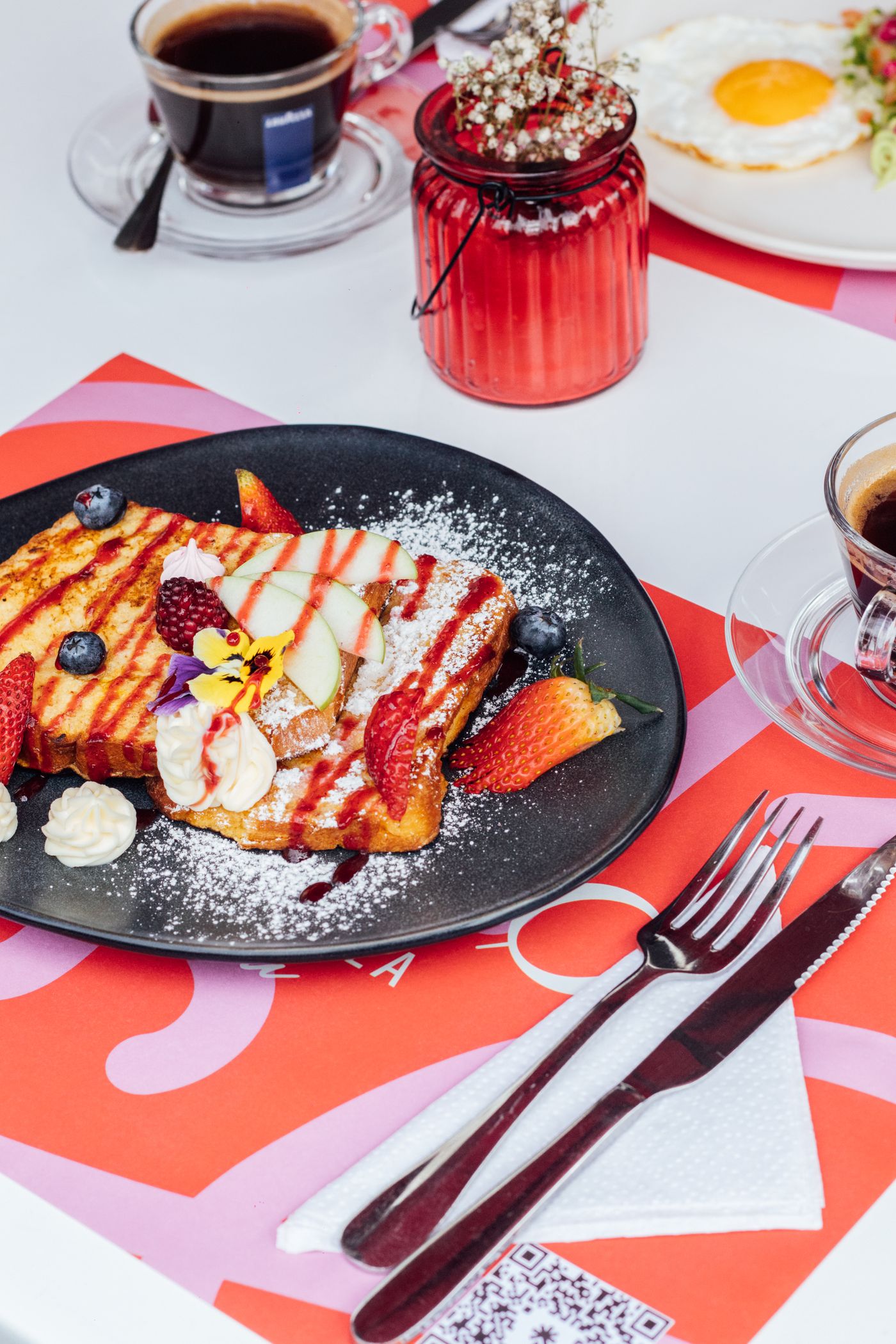
Quick answer
Heat the oven to about 170–200°F (75–95°C), place a wire rack over a baking sheet and arrange the cooked French toast in one uncovered layer. Hold it for about 20–30 minutes when possible. Keep syrup, fruit and whipped toppings separate until serving. For more than eight to ten people, cook in timed waves or use sheet-pan French toast rather than holding individual slices for too long.
Choose the Best Holding Method
The right method depends on how many slices you are making and how long they need to wait.
| Situation | Best method | Useful window | Main tradeoff |
|---|---|---|---|
| Two to four people | Wire rack in low oven | 10–20 minutes | Very little texture loss |
| Five to ten people | Two racks in low oven | 20–30 minutes | Requires oven space |
| Large brunch | Cook in waves or use sheet-pan French toast | Serve each wave quickly | More planning, better quality |
| Transport to another room | Warm platter for a few minutes | 5–10 minutes | Bottom softens if slices overlap |
| Potluck or buffet | Chafing setup with rack and cautious heat | Short monitored service | Steam and food-safety control |
| One late guest | Cool and reheat separately | Better than holding an hour | Requires a second heating step |
The Best Method: Low Oven + Wire Rack
Preheat the oven before cooking
Set the oven to its warm setting or about 170–200°F. Starting the holding oven early means the first slice does not sit on the counter while the oven heats.
Set a wire rack over a sheet pan
The pan catches crumbs and drips. The raised rack exposes the underside of the toast to warm air.
Cook each slice fully
The holding oven should preserve finished French toast, not finish a wet center. Cook each side until set and golden before transferring it.
Arrange slices in one layer
Leave a little space between slices. Do not create a stack, even when the rack still feels warm.
Keep the toast uncovered
Uncovered holding allows moisture to escape. Check the first slices after about 20 minutes and serve before they become dry.
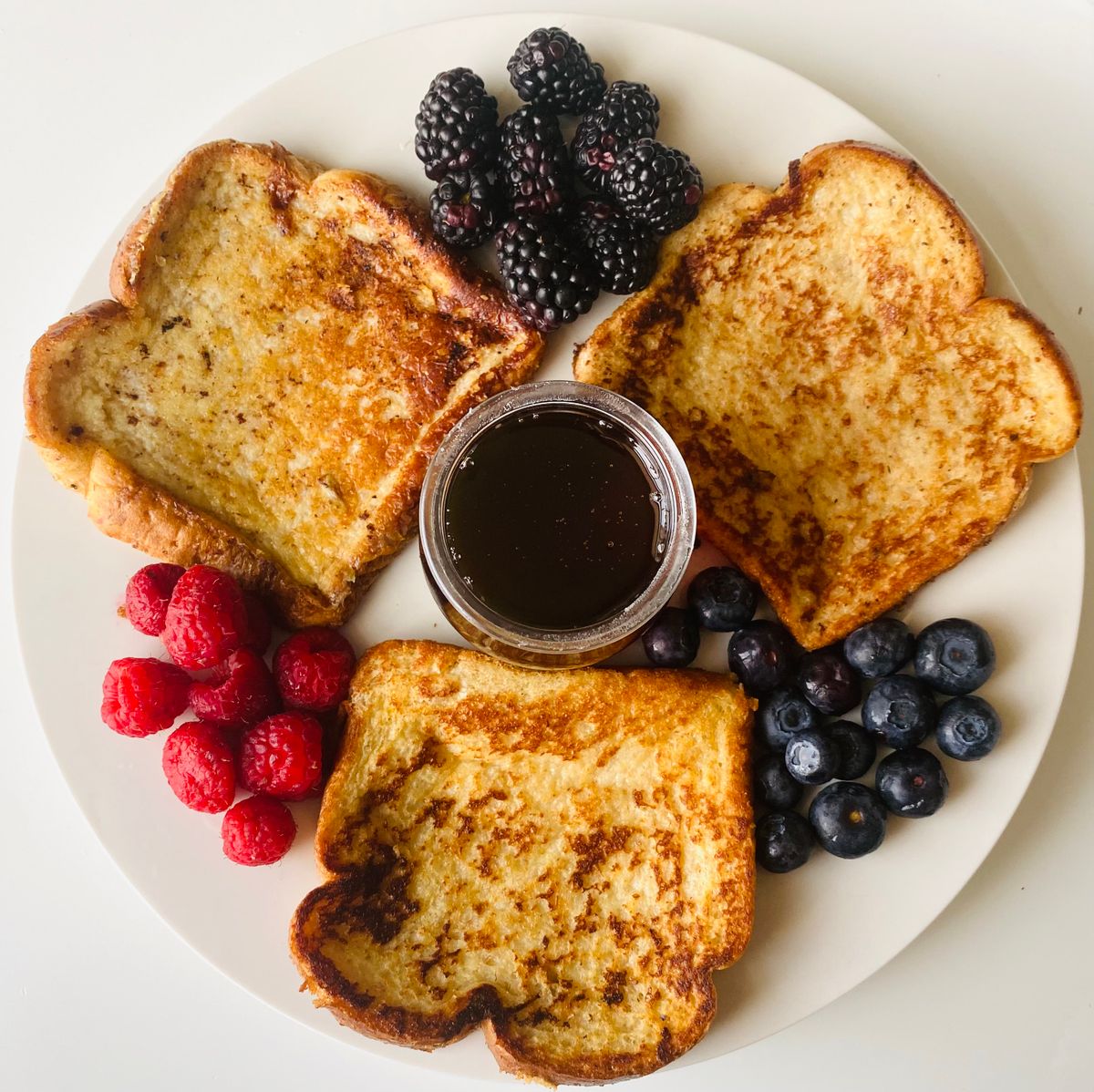
The Holding Workflow at a Glance
Why a Wire Rack Prevents Soggy French Toast
Freshly cooked French toast continues releasing steam. When a slice sits directly on a solid plate or sheet pan, that moisture condenses against the bottom surface. The top may stay crisp while the underside becomes damp.
A wire rack creates space beneath the toast. Warm air can move around both sides, and moisture does not remain trapped against the bread. Several current cooking guides recommend this single-layer rack method specifically for keeping batches warm.
Wire rack
Best airflow and the most even surface texture.
Bare sheet pan
Usable, but flip the slices occasionally because the bottom receives less airflow.
Paper towel
Absorbs moisture briefly but can trap steam and soften the surface during a long hold.
Stacked plate
Worst option for crispness because heat and steam are trapped between slices.
What Oven Temperature Keeps French Toast Warm?
| Oven setting | Best use | Risk |
|---|---|---|
| 170°F / 75°C | Gentle hold when oven supports it | May not be available on every oven |
| 200°F / 95°C | Reliable general holding temperature | Edges gradually dry during long holds |
| 225–250°F / 107–120°C | Very short hold or underpowered oven | Noticeably faster drying |
| 300°F+ / 150°C+ | Reheating or finishing, not holding | Overcooks French toast |
Ovens cycle above and below their set temperature, especially at very low settings. If your oven runs hot, leave the door closed and check the first slice after ten to fifteen minutes.
How to Serve French Toast for a Crowd
The best solution is not always holding more slices. Sometimes the cooking format should change.
For six to eight people
Use two skillets or a large griddle and one oven rack. Begin cooking about 20 minutes before serving. Keep slices in one layer and bring the entire batch to the table together.
For ten to sixteen people
Use two sheet pans with wire racks or cook in two timed waves. Serve the first wave while the second finishes. This produces better texture than making the first slices wait for every guest.
For a very large brunch
Consider sheet-pan French toast or French toast casserole. King Arthur Baking's sheet-pan method bakes an entire batch and eliminates the skillet queue, while casserole-style versions are easier to prepare ahead.
For mixed dietary needs
Keep eggless, dairy-free or gluten-free slices on separate labeled racks or trays to reduce mix-ups and cross-contact.
A Practical Brunch Timeline
| Time before serving | Action |
|---|---|
| 45 minutes | Prepare toppings, syrup, plates and serving utensils |
| 30 minutes | Preheat holding oven and cooking surface |
| 25 minutes | Begin first batch |
| 20 minutes | Move finished slices to rack in oven |
| 10 minutes | Check first slices for dryness and rotate racks if needed |
| 5 minutes | Warm serving plates and place toppings on table |
| Serve | Transfer toast without stacking and add toppings individually |
This timing keeps the first slices inside the best-quality holding window rather than forcing them to wait for an hour.
Should You Cover French Toast With Foil?
Foil slows heat loss, but it also traps moisture.
- Leave slices uncovered when crispness is the priority.
- Use a very loose foil tent only when the toast is drying faster than expected.
- Do not wrap the sheet tightly.
- Remove foil for the final few minutes before serving.
- Never stack the slices and then cover the stack.
The correct choice depends on the bread. Thin sandwich bread dries faster and may benefit from a very loose tent. Thick brioche and challah usually tolerate uncovered holding better.
Add Syrup and Toppings Only at the Table
Syrup is designed to soak into bread. Applying it before holding guarantees a softer surface.
Serve on the side
Maple syrup, compote, yogurt and cream should remain separate until plating.
Use dry toppings early
A light dusting of cinnamon sugar or toasted nuts is less damaging than syrup.
Warm syrup separately
Warm syrup makes the final plate feel hot without requiring a longer oven hold.
Drain wet fruit
Very juicy berries and thawed fruit release liquid across the surface.
Other Ways to Keep French Toast Warm
Warming drawer
A warming drawer can work well if it maintains a low, stable temperature. Use a rack and avoid tight covering.
Electric griddle
A griddle on its lowest setting can hold a few slices on a raised wire rack. Direct contact with the hot surface can continue browning or burn the toast.
Slow cooker
A slow cooker traps steam and is a poor choice when crispness matters. It is more suitable for soft bread pudding or casserole-style dishes.
Chafing dish
Useful for controlled buffet service, but standard covered chafing dishes create humid heat. Use a rack, monitor the slices and keep the lid open or vented when appropriate.
Insulated container
An insulated carrier keeps food hot during transport but also traps moisture. Use it only for short travel, then restore the surface briefly in an oven before serving.
How Long Can You Hold French Toast?
For the best balance of warmth and texture, aim for about 20–30 minutes. Thin slices may begin drying earlier, while thick challah or brioche can tolerate a little longer.
If the first slice would need to wait 45–60 minutes, change the production plan. Cook later, serve in waves, or use an oven-baked format. Holding longer is not a substitute for scheduling.
Warm French Toast Troubleshooting
| Problem | Likely cause | Try next |
|---|---|---|
| Soggy bottom | Solid pan or plate | Use a wire rack |
| Entire slice soft | Covered tightly or stacked | Uncover and separate slices |
| Dry edges | Oven too hot or hold too long | Lower heat and shorten holding time |
| Cold center | Slice was not fully cooked before holding | Finish cooking before moving to low oven |
| Top crisp, bottom damp | Insufficient airflow below | Raise slices on a rack |
| Syrup-soaked surface | Toppings added too early | Serve toppings separately |
| Uneven warmth | Overcrowded rack or oven hot spots | Leave space and rotate the pans |
| First batch much drier | Production started too early | Use a timed brunch workflow |
Make-Ahead vs Keep-Warm: Which Is Better?
Keeping warm is best when the wait is short. Make-ahead and reheating are better when the gap is long.
| Delay before serving | Best strategy |
|---|---|
| Under 15 minutes | Low oven on rack |
| 15–30 minutes | Low oven, single layer, monitor texture |
| 30–60 minutes | Cook in waves or use baked French toast |
| Several hours | Cool, refrigerate and reheat properly |
| Next day | Use make-ahead casserole or reheat cooked slices |
Frequently Asked Questions
How do you keep French toast warm without making it soggy?
Place cooked slices in a single layer on a wire rack set over a baking sheet and hold them uncovered in a low oven around 170–200°F (75–95°C). Do not stack the slices or cover them tightly, because trapped steam softens the surface.
What oven temperature keeps French toast warm?
Use the oven's warm setting or roughly 170–200°F (75–95°C). If your oven does not run reliably that low, use its lowest setting and check the toast frequently so it does not dry out.
How long can French toast stay warm in the oven?
French toast is best held for about 20 to 30 minutes. It can remain warm longer, but the texture gradually dries and the edges become firmer. For a longer event, cook in waves or use baked French toast.
Can you cover French toast with foil to keep it warm?
Loose foil retains more heat and moisture but softens the crust. Leave French toast uncovered for the crispiest result. Use a very loose tent only when preventing dryness matters more than crispness.
Can you stack French toast in the oven?
No. Stacking traps steam between the slices and creates soggy surfaces. Use another rack or serve the batch in waves.
How do restaurants serve French toast hot at the same time?
Common approaches include large griddles, finishing skillet-cooked slices in the oven, sheet-pan preparation and timed production so the first slices do not wait too long.
Can you keep French toast warm in a slow cooker?
You can keep it hot, but the humid environment softens the surface. A low oven with a wire rack is better when crispness matters.
Bottom Line
The best way to keep French toast warm is a 170–200°F oven, a wire rack and a single uncovered layer. This protects the underside from condensation and gives steam somewhere to escape.
Plan to hold the toast for about 20–30 minutes, not an hour. For a large crowd, use two racks, cook in waves or switch to sheet-pan French toast. Keep syrup and moist toppings off the bread until each serving reaches the table.