TRADER JOE’S · FROZEN FIND · CHECKED AUGUST 2026
Trader Joe’s Mandu Korean Kimchi Potstickers: what to know and how to serve them
A newly released freezer find with a kimchi-and-glass-noodle filling, best approached as a quick skillet side or the centre of a simple rice bowl.
QUICK ANSWER
Build a skillet-to-bowl meal: potstickers, rice, something crisp, and a sharp dipping sauce.
Published coverage consistently describes these as Korean-inspired kimchi mandu sold frozen at Trader Joe’s. Multiple recent reports cooked them in a skillet; follow the cooking and food-safety instructions on your own bag, because product directions and formulas can change.
Choose the easiest way to serve them
FASTEST LUNCH
Rice bowl
Pair with cooked rice, cucumber and a soy-vinegar dip. It makes the spicy, savory filling feel like a complete meal.
LOW-COOKING DINNER
Broth and greens
Add cooked potstickers to warm broth with spinach or bok choy. Keep the broth mild so the kimchi stays the focus.
SNACK OR APPETIZER
Dipping plate
Serve with sliced scallions, cucumber and a tart dip. This needs the least prep and is easy to scale.
What are Trader Joe’s Mandu Korean Kimchi Potstickers?
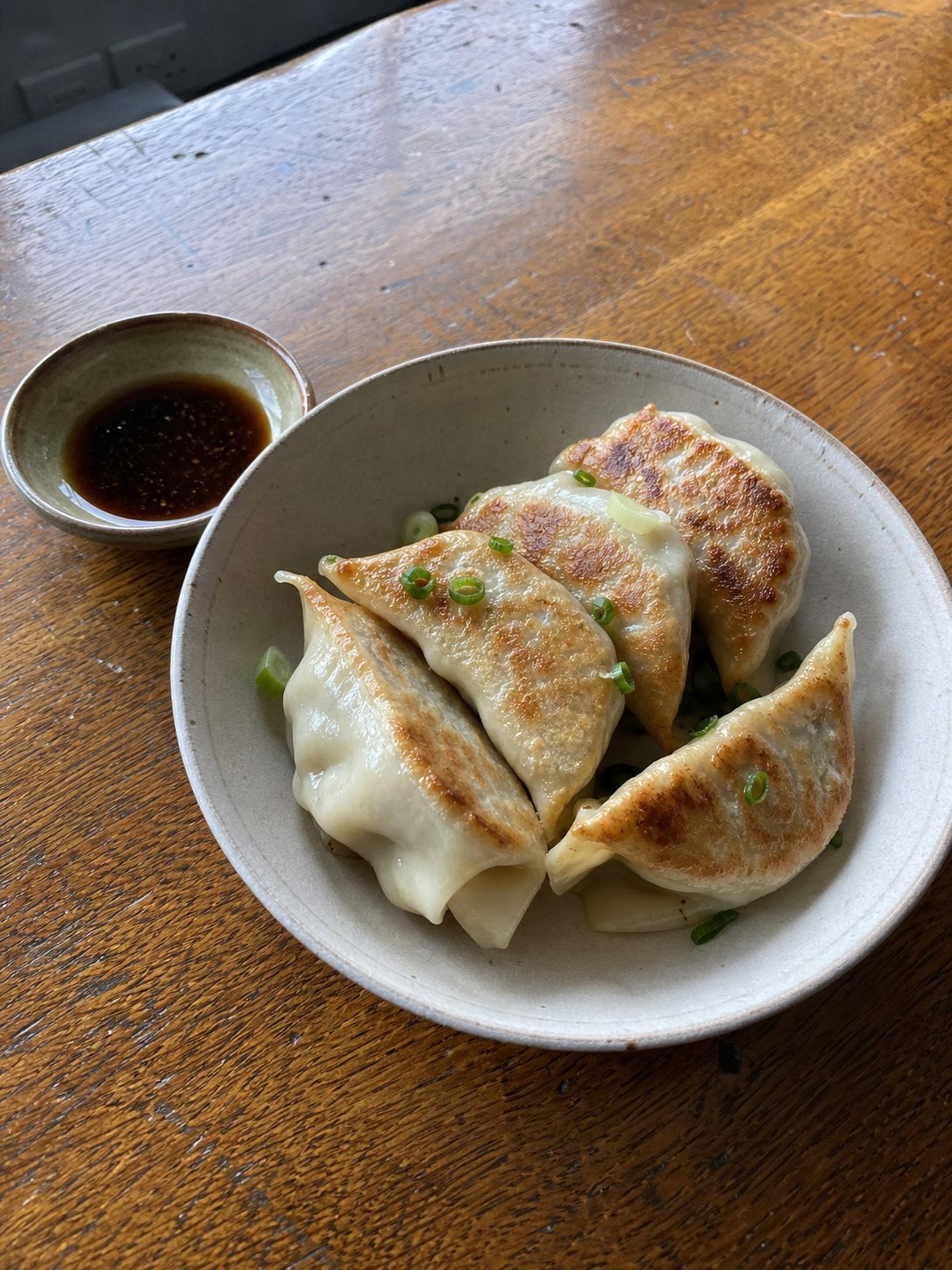
Mandu is the Korean name for dumplings. Recent reporting on this Trader Joe’s product describes a flat, envelope-shaped dumpling with spicy kimchi, glass noodles and vegetables inside. The product launched in summer 2026 and has been reported as a 16-ounce freezer bag at $3.49. Availability and price can vary by store, so treat those as a recent reference, not a guarantee.
How should you cook them?
Use the directions printed on the current bag as the primary instruction. Two independent food publications that prepared the product used a skillet: Parade reported pan-frying in oil over medium-high heat for roughly six to eight minutes, while Bon Appétit described a crisp result after about six minutes. Those are reported observations, not a Home Cook Harvest test or a substitute for the package.
Do not publish or rely on an air-fryer temperature for this product unless it comes from its current package or a clearly documented test. Potstickers can split or dry out when a method intended to steam the filling is changed.
A practical sauce and side matrix
IF YOU WANT BRIGHTNESS
Soy sauce + rice vinegar
A 1:1 mix gives acidity without masking the kimchi. Add scallions if you have them.
IF YOU WANT A HEARTIER MEAL
Rice + crunchy vegetables
Use plain rice and cucumber, shredded cabbage or quick-pickled vegetables for contrast.
IF YOU WANT LESS HEAT
Cool, plain accompaniments
Try rice, cucumber and a mild creamy element. Start with a small portion if spicy kimchi is new to you.
Are they vegetarian or vegan?
Several launch reports describe the filling as vegetarian or vegan-friendly, but this is a label-dependent dietary question. Check the current ingredient statement and allergen information on the bag before serving anyone with an allergy, dietary restriction or medical need. This guide does not certify the product as vegetarian, vegan, gluten-free or free of any allergen.
Three low-effort meal combinations
1. Kimchi mandu rice bowl
Use the bag directions to prepare the potstickers. Add them to rice with cucumber, shredded cabbage and a soy-vinegar sauce. This is the most balanced option when the dumplings are the main protein-style component of lunch.
2. Freezer-to-broth dinner
Prepare the potstickers as directed, then serve beside a simple bowl of warm broth and greens. Keep the dumplings separate until serving if you want to preserve a crisp exterior.
3. Shared snack plate
Serve the prepared mandu with raw vegetables, a bowl of rice and two sauces: one tangy and one mild. This is useful when diners have different heat preferences.
RELATED GUIDES